Security in Digital Transformation

The New Frontier of Hardware Security and Display Integrity While digital firewalls and encrypted servers have long defined the parameters of corporate defense, a subtle and dangerous vulnerability remains hidden within the cables that connect workstations to their displays. Modern hackers have
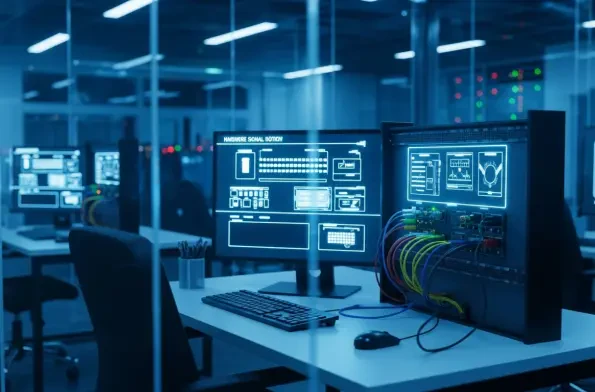
Malik Haidar has spent his career at the intersection of complex data analytics and high-stakes corporate defense, navigating the murky waters of international cyber threats for some of the world’s largest organizations. His perspective is unique because he doesn't just see code and firewalls;

Moving Beyond Compliance: The Shift to Proactive Defense The modern financial sector is currently grappling with a fundamental paradigm shift where the ability to survive a cyberattack has become more valuable than the simple attempt to prevent one. For decades, the industry relied on a defensive

When a routine email notification masks a silent digital invasion, the line between corporate productivity and state-sponsored espionage begins to blur significantly for organizations across the globe. The Harvester threat group, previously known for its surgical strikes on Windows-based systems,
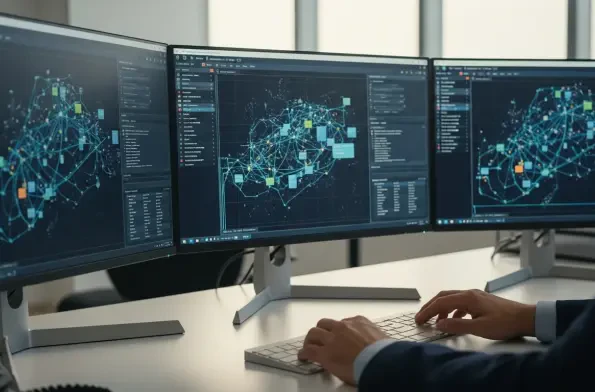
Malik Haidar has built a career at the intersection of bits and bolts, navigating the high-stakes world of cybersecurity for multinational corporations. As a specialist who bridges the gap between digital intelligence and physical fortification, he understands that the most sophisticated firewall
Deep within the digital architecture of the modern global enterprise, a new generation of autonomous software entities is performing critical operations without a single human administrator realizing they even exist. While IT departments focus on securing endpoints and firewalls, a new class of
Read More