The transition from mechanical brass keys to sophisticated digital ecosystems marks a definitive break from the era when perimeter security was defined solely by the thickness of a steel door. In the current operational climate of 2026, industry reports suggest that over sixty percent of corporate security breaches are attributed to lost or unmonitored physical credentials. This statistic has rendered the old methods of manual logbooks and unmonitored entry points largely obsolete for any enterprise seeking growth. Facilities managers now recognize that physical security is no longer an isolated department but a fundamental component of the broader information technology landscape. Organizations are prioritizing systems that do not just block unauthorized individuals but actively contribute to the overall efficiency of the daily business flow. This evolution is driven by the realization that a truly secure office is about managing the movement of authorized personnel in a way that is frictionless and measurable.
Moving Beyond Traditional Entry Management
Part 1: The Shift from Manual Processes
Legacy security configurations traditionally relied on physical assets like deadbolts and plastic identification badges, which often left significant vulnerabilities in a building’s defense. These older frameworks made it nearly impossible for administrators to track who was accessing specific zones after business hours or to verify the identity of individuals using shared or lost keys. Without a digital audit trail, management was frequently forced into a reactive stance, only discovering security breaches or unauthorized entries long after they had already occurred. Furthermore, the logistical burden of rekeying locks or printing new batches of physical cards whenever an employee left the firm created unnecessary costs and delays. The reliance on hardware that could not communicate with a central database meant that security was only as strong as the last manual check performed by a human guard, leaving many entry points effectively invisible to the company leadership.
Part 2: The Integration of Cloud Intelligence
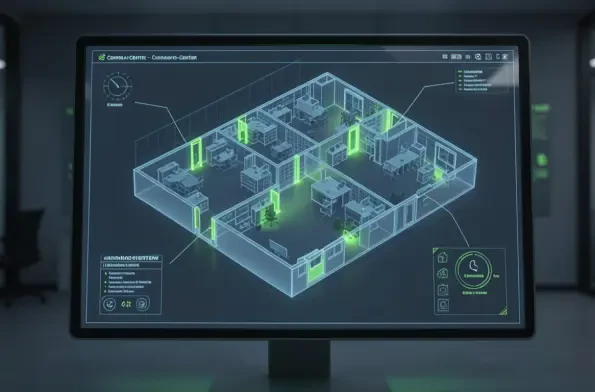
The integration of cloud intelligence has fundamentally resolved these systemic issues by allowing security teams to oversee multiple locations from a single, centralized digital dashboard. By adopting mobile credentials hosted on smartphones or wearable devices, modern organizations have effectively removed the risks associated with lost, stolen, or shared plastic fobs that once plagued office managers. This shift not only improves the overall security posture of the organization but also creates a much smoother experience for employees who no longer need to fumble for physical badges to enter the building. Real-time updates ensure that access permissions can be granted or revoked instantly from any location, providing an unprecedented level of control. The centralization of data allows for the generation of detailed reports, helping businesses understand building usage patterns and identify potential security weaknesses before they can be exploited by malicious actors.
The Core Infrastructure of Smart Protection
Part 1: Advanced Hardware and Sensor Networks
At the core of these modern security systems is a sophisticated network of smart readers, biometric scanners, and environmental sensors that communicate in real-time. These advanced devices do far more than just unlock doors; they function as a cohesive unit that works in tandem with motion detectors and high-definition surveillance cameras to provide a comprehensive view of all office activity. Because this technology is built on a highly scalable architecture, a small startup can implement the same high-level encrypted security as a global corporation without needing a massive overhaul of its existing physical infrastructure. The use of open standards and interoperable hardware means that companies can add new sensors or cameras as their footprint expands, ensuring that the initial investment remains relevant. These smart endpoints act as the eyes and ears of the facility, feeding constant streams of data into the management software for immediate processing.
Part 2: Predictive Security and Artificial Intelligence
Artificial intelligence adds a proactive layer to this infrastructure by constantly analyzing entry patterns to identify behavior that deviates from the established norm. For instance, if a specific credential is used at an unusual hour or detected in two geographically separate locations within a short timeframe, the system can automatically trigger a lockdown or send an instant alert. This level of automated oversight reduces the burden on human security staff, allowing them to focus on high-priority threats rather than monitoring every single routine door event. Adding multi-factor authentication, such as combining a mobile swipe with a fingerprint scan, further strengthens the system against sophisticated intrusion attempts. By moving away from static security rules and toward dynamic, data-driven protection, businesses can create a defensive perimeter that learns and adapts to the environment, making it increasingly difficult for unauthorized parties to gain access.
Creating a Connected Office Ecosystem
Part 1: System Synergy and Digital Integration
High-level security is most effective when it is tied directly into a company’s existing digital toolkit, such as human resources databases and single sign-on platforms. When a new person is hired or an employee leaves the firm, their physical building access is updated automatically based on their employment status within the digital directory. This tight link between physical and digital identity ensures that there are no “forgotten” active credentials that could pose a latent threat to the organization months after a staff member has departed. Moreover, integration with project management software can limit access to specific laboratories or server rooms only to those currently assigned to relevant tasks. This granular level of control minimizes the internal attack surface and ensures that sensitive areas remain protected by a strictly enforced “need to access” policy. This automated synchronization reduces human error and ensures compliance is met with minimal manual effort.
Part 2: Future-Proof Technologies and Energy Efficiency
Smart offices are also beginning to utilize entry data to manage broader building functions, such as dynamically adjusting lighting and air conditioning based on real-time room occupancy. By leveraging the same sensors used for security, businesses can significantly reduce energy consumption by powering down zones that are not currently in use. Looking toward the immediate horizon, technologies like blockchain are being explored to create permanent, tamper-proof records of every entry event within the corporate campus. These advancements aim to make the office experience as frictionless as possible for staff and invited guests while maintaining a high level of transparency and accountability for the organization. The goal is to create an environment where security feels invisible but remains incredibly robust, supporting the productivity of the workforce rather than hindering it. The synthesis of utility and protection is becoming the hallmark of the modern intelligent workspace.
Strategic Deployment and Industry Success
Part 1: Best Practices for Network Security
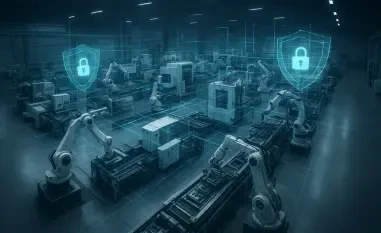
Successfully launching an IoT security network requires a structured approach that begins with a comprehensive audit of a building’s existing entry points and network capacity. It is absolutely vital to isolate security devices on their own dedicated network segment to prevent a single compromised camera from becoming a gateway to sensitive company data stored on the main servers. This practice of network micro-segmentation ensures that even if one peripheral device is attacked, the breach remains contained and cannot affect the broader corporate infrastructure. Additionally, consistent firmware updates and regular employee training remain essential components of a strong, long-term defense strategy. Managers must ensure that all stakeholders understand how to use the new tools and recognize the importance of reporting any technical anomalies immediately. A proactive maintenance schedule for hardware components is also necessary to prevent failures that could lead to accidental lockouts.
Part 2: Real-World Performance and Sector Success
Companies that have embraced these integrated tools are seeing measurable results, including lower management costs and much better compliance with rigorous safety regulations. For example, technology firms have streamlined their multi-site operations through unified cloud policies that ensure a consistent security standard across global offices. Healthcare facilities have utilized biometric tools to keep sensitive patient data secure while ensuring that doctors and nurses have rapid access to the rooms they need during emergencies. Across various sectors, the integration of IoT and access control is proving to be a foundational investment that pays dividends in both safety and operational agility. As businesses continue to navigate the complexities of modern work, those with a robust, connected security posture find themselves better equipped to handle both physical and cyber challenges. The shift toward intelligence-driven protection is no longer a luxury but a requirement for modern enterprise resilience.
Strategic Next Steps: Ensuring Long-Term Resilience
The transition toward integrated security systems yielded significant improvements in how organizations protected their people and physical assets while streamlining daily operations. Decision-makers who moved beyond legacy hardware found that the implementation of cloud-based credentials and automated identity management eliminated the inefficiencies of manual tracking. Organizations successfully mitigated risks by establishing isolated networks for their IoT devices and prioritizing regular software maintenance to stay ahead of potential vulnerabilities. The adoption of these technologies transformed security from a passive barrier into an active contributor to building efficiency and employee satisfaction. Future considerations were directed toward further refining the data gathered from these systems to optimize workspace utilization and enhance sustainability goals. By treating physical security as a dynamic digital asset, businesses secured a more resilient and transparent foundation for their ongoing growth and development.