Facility managers are increasingly favoring mobile-first security because it allows them to restrict specific building zones to authorized residents using a smartphone app. This shift marks a departure from traditional mechanical keys or plastic RFID cards, which are frequently lost, stolen, or duplicated by tech-savvy students. In modern university environments, the demand for convenience and high-speed access has never been higher, pushing property owners to adopt cloud-based infrastructures. These systems integrate seamlessly with existing university databases, allowing for real-time updates to access permissions. When a student changes rooms or finishes a semester, administrators can revoke access instantly without needing to retrieve a physical key. This immediate control reduces the window of vulnerability that often exists during transition periods. Moreover, students view their smartphones as essential appendages, making them far less likely to forget their access when it is tied to their primary device.
Evolution: From Physical Keys to Digital Identity
The transition from legacy hardware to digital credentials reflects a broader trend in urban infrastructure that prioritizes connectivity and data-driven management. Historically, student housing relied on heavy master key systems that were expensive to maintain and nearly impossible to track once a key went missing. Today, the move toward Near Field Communication (NFC) and Bluetooth Low Energy (BLE) technologies allows for a more granular approach to security. These technologies enable a phone to communicate with a lock reader from several inches away, providing a contactless experience that is both hygienic and efficient. For developers, the cost-benefit analysis has shifted significantly as the price of smart hardware has decreased while the operational costs of physical key management have risen. By centralizing the management of thousands of entry points into a single dashboard, property teams can monitor traffic patterns and identify potential security breaches before they escalate.
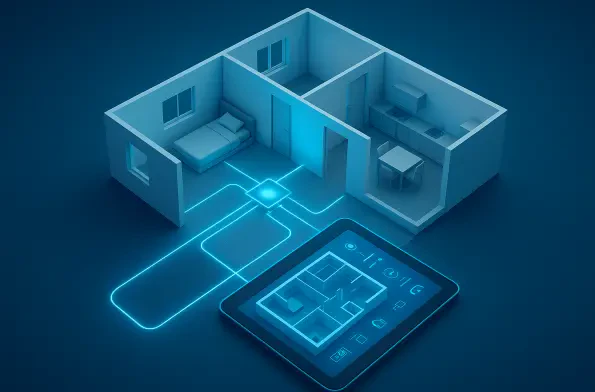
Implementation of these systems often involves a layered security approach, combining perimeter gates, elevator controls, and individual unit entries into a unified digital ecosystem. This integration ensures that a student’s mobile credential is the single source of truth for their identity within the residential complex. Beyond simple entry, these systems are now being used to manage amenity spaces such as study lounges, fitness centers, and laundry rooms. By analyzing usage data, facility managers can optimize cleaning schedules and staffing levels based on when specific areas are most active. This data-driven strategy not only enhances the resident experience but also contributes to the longevity of the building’s assets. Furthermore, the ability to issue temporary digital guest passes to visitors or delivery drivers through a secure link provides a level of oversight that was previously unattainable. This granular control ensures that only verified individuals are present in sensitive areas.
Optimization: Operational Efficiency and Sustainable Management
From a financial perspective, the initial investment in mobile-first security often yielded significant returns through improved operational efficiency and reduced hardware maintenance. From 2026 to 2030, properties that embraced these technologies saw a marked decrease in the overhead associated with traditional lock re-keying and physical credential management. Furthermore, the ability to automate the move-in process allowed staff to allocate more time to student engagement and community building. Instead of spending days sorting through physical keys, administrators pushed digital credentials directly to students’ devices, setting them to activate precisely when leases began. This transition also appealed to insurance providers, who recognized the reduced risk of unauthorized entry and the enhanced audit trails provided by digital systems. By documenting exactly when and where access occurred, facility managers were able to provide a higher level of accountability and resident safety.
Decision-makers who implemented these systems discovered that the most successful strategies prioritized resident education and hardware interoperability. They ensured that mobile credentials functioned seamlessly across different device platforms and integrated with other on-site amenities. To maintain high security standards, management teams established protocols for immediate credential revocation in the event of a lost device. They also provided secondary access methods, such as temporary PIN codes, to prevent lockouts during phone malfunctions. By treating digital security as a dynamic service rather than a static installation, these organizations achieved better long-term reliability. Stakeholders focused on choosing vendors that offered regular software patches to defend against emerging digital vulnerabilities. This comprehensive approach allowed housing providers to offer a superior resident experience while protecting the physical and digital integrity of their assets for years to come.