The precise, rhythmic hum of a synchronized robotic production line represents the pinnacle of modern engineering, yet a single unauthenticated command can transform these mechanical marvels into unpredictable liabilities. The discovery of CVE-2026-8153 has sent shockwaves through the manufacturing sector, revealing that the very collaborative robots designed to work alongside humans can be turned into high-stakes vulnerabilities. With a near-perfect CVSS severity score of 9.8, this flaw highlights a chilling reality where an attacker halfway across the globe could potentially seize total control of a factory floor.
The Silent Threat in the Production Line
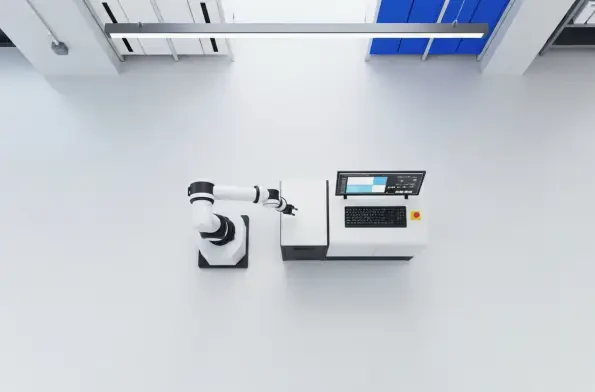
When a 900-pound mechanical arm becomes a vessel for unauthorized code, the line between digital security and physical safety disappears. This specific vulnerability centers on the PolyScope operating system, which serves as the brain for Universal Robots’ widespread fleet. By exploiting an OS command injection flaw within the Dashboard Server interface, malicious actors can bypass traditional authentication layers entirely. This means the digital perimeter is no longer just about protecting data, but about preventing kinetic actions that could damage hardware or injure personnel.
The implications of such a breach extend far beyond simple downtime or lost revenue. In an environment where humans and machines share the same workspace, the integrity of a robot’s firmware is the only thing ensuring a safe coexistence. Because the exploit allows for remote code execution, a compromised unit can be forced to ignore safety protocols or execute erratic movements. This discovery serves as a stark reminder that as we integrate more intelligence into our hardware, the surface area for catastrophic failure grows exponentially.
The High Stakes of Collaborative Robotics
As industries pivot toward more integrated automation, cobots have transitioned from niche tools to essential workforce components in the automotive and electronics sectors. These machines are governed by sophisticated software that balances complex motion control with user-friendly interfaces, often running on Linux-based backends. While this openness offers immense flexibility for custom programming, it also inherits the vulnerabilities of standard computing environments. In an era where production efficiency is measured in seconds, a critical flaw is not a technical glitch but a threat to industrial survival.
The integration of these systems into the broader corporate network creates a double-edged sword for modern facility managers. On one hand, real-time data allows for unprecedented optimization; on the other, it bridges the gap between vulnerable office software and high-powered industrial machinery. If a robot is connected to the same network used for emails and administrative tasks, a single phishing link could theoretically grant a hacker the keys to the heavy machinery on the plant floor.
Decoding CVE-2026-8153: Technical Breakdown and Risks
The technical core of this vulnerability lies in a failure to sanitize inputs within the Dashboard Server, a service meant to simplify remote management. Because the system did not properly validate the data it received, attackers could inject their own commands into the underlying operating system. This mechanism effectively stripped away the need for passwords, giving any entity with network access the same level of control as a lead engineer. This oversight effectively turned a management convenience into a wide-open back door.
Relying on the myth of the air-gapped network is a dangerous gamble in today’s interconnected landscape. Many facilities utilize flat network architectures where office devices and factory robots reside on the same logical segment, allowing for easy lateral movement once an initial device is compromised. This convergence of Operational Technology and Information Technology has made remote code execution a common threat. Furthermore, the potential for industrial espionage or subtle sabotage through firmware manipulation poses a long-term risk to brand reputation and intellectual property.
Insights from Cybersecurity Experts and Researchers
Cybersecurity firm Claroty, which played a pivotal role in identifying the flaw, emphasizes that the lack of internal network segmentation is the “Achilles’ heel” of modern industrial sites. Experts argue that while Universal Robots provided the necessary software fix, the incident served as a wake-up call regarding the “security by obscurity” mindset. Industry veterans noted that as cobots became more interconnected via Ethernet and MODBUS protocols, the perimeter of the factory was no longer defined by its walls, but by every connected node.
Researchers suggested that the transition to Industry 4.0 requires a fundamental shift in how we perceive mechanical safety. It is no longer enough to install physical cages or light curtains if the software controlling the joints can be rewritten from a remote terminal. This event highlighted that manufacturers must treat their robotic controllers with the same level of security scrutiny as a banking server. The consensus among specialists was that the era of trusting “internal” networks as inherently safe ended the moment these devices gained an IP address.
Hardening the Industrial Environment: Essential Mitigation Steps
Protecting the future of manufacturing required the immediate deployment of PolyScope 5.25.1, which closed the specific OS command injection loophole identified in the report. Beyond this immediate fix, organizations moved toward implementing zero-trust network segmentation to isolate robot control boxes from the broader corporate environment. By ensuring that only authorized devices could communicate with the Dashboard Server, engineers created a redundant layer of defense that functioned even if a single terminal was compromised.
The incident prompted a move toward disabling unnecessary services and auditing communication ports to minimize the attack surface. Facility managers began utilizing deep packet inspection to detect anomalous traffic that might indicate an attempted exploit of industrial protocols. Most importantly, firms formalized firmware lifecycle management to ensure that assets did not fall behind the evolving threat landscape. This proactive approach transformed the security culture from one of reactive patching to a disciplined strategy of continuous monitoring and isolation, ensuring that the robots remained assistants rather than adversaries.