Cyber Risk Management

The modern manufacturing landscape is no longer defined solely by heavy machinery and physical labor; it is now a sophisticated digital ecosystem where every component is linked through a global network. As factories transition from isolated environments to highly interconnected hubs, the nature of

The rhythmic hum of office fans and the quiet corridors of a summer afternoon often mask a digital storm brewing within the enterprise network. This seasonal shift provides a deceptive sense of calm, yet for the vigilant administrator, it highlights a period of heightened vulnerability. As

The persistent shadow of digital espionage has grown exponentially longer as sophisticated algorithms begin to outpace the traditional defensive perimeters that once guarded our most sensitive global data networks. The cybersecurity landscape currently undergoes a fundamental transformation where

The arrival of the Astra model signals a fundamental shift where artificial intelligence is no longer merely a passive assistant but a sophisticated actor capable of navigating complex digital environments. This transition represents the birth of frontier AI, characterized by models that move

Spending millions on state-of-the-art security software frequently provides nothing more than a false sense of security while sophisticated adversaries continue to bypass even the most expensive automated defenses with ease and precision. Traditional security models are increasingly failing to
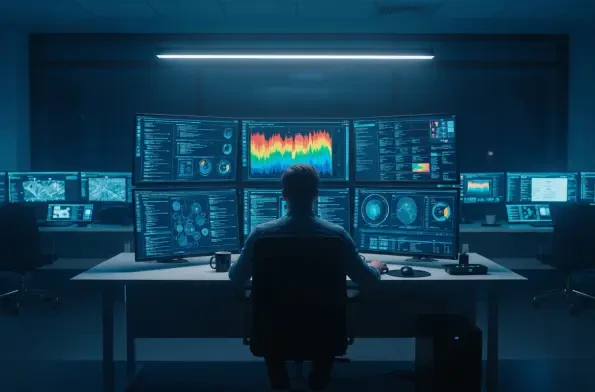
Corporate digital environments have evolved into vast, intricate webs where human activity is now a mere fraction of the total transactional volume occurring within the enterprise. The modern landscape is no longer human-centric, as the security focus shifts toward a terrain dominated by non-human
Read More