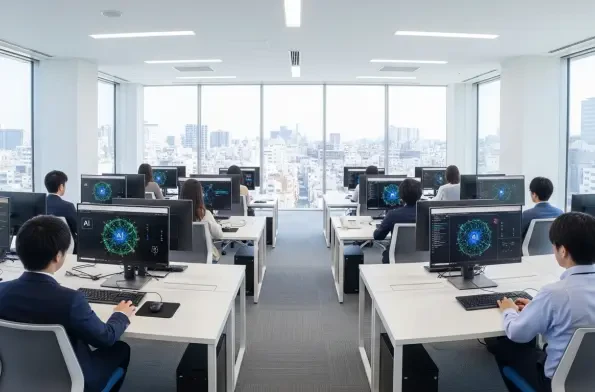
The rapid acceleration of sovereign computing has reached a critical turning point as Microsoft commits a staggering $10 billion to overhaul Japan’s digital landscape and secure its technological future. This massive financial injection serves as a strategic cornerstone for the Asia-Pacific region, tripling the company’s previous investments since 2024 to address the urgent demand for localized artificial intelligence and advanced defense mechanisms. By focusing on the expansion of physical digital infrastructure and the cultivation of a highly specialized workforce, the initiative aims to weave high-performance computing directly into the fabric of the Japanese economy. This is not merely a corporate expansion but a fundamental restructuring of how a major global power manages its digital assets. The roadmap includes training over one million individuals by 2030, ensuring that developers, engineers, and general workers possess the technical literacy required to navigate an era defined by generative models and complex algorithmic automation.
Navigating Data Sovereignty and Localized Infrastructure
Addressing Global Privacy Trends and Legislative Challenges
The global shift toward data sovereignty has forced a radical rethinking of how multinational technology providers manage sensitive information across international borders. As nations become increasingly protective of their digital assets, they are demanding that data residency remain within local jurisdictions to prevent external legal reach or unauthorized access. A primary driver of this trend is the influence of the U.S. CLOUD Act, which grants American law enforcement the authority to request data from domestic companies even if the physical servers reside in foreign territories. For Japanese enterprises and government agencies, this creates a significant legal vulnerability that can only be mitigated by establishing truly domestic cloud environments. Microsoft’s investment directly addresses these concerns by constructing local data centers that operate under Japanese law, ensuring that critical information stays within the nation’s geographical and legal boundaries.
Beyond the legal implications, the move toward localized infrastructure reflects a broader desire for technological autonomy among global powers. By ensuring that the underlying hardware for AI training and inference is physically located in Tokyo or Osaka, the Japanese government can maintain tighter control over the security protocols and operational standards of its digital ecosystem. This strategy reduces the risks associated with geopolitical instability and potential disruptions in international data flows, providing a stable foundation for the country’s banking, healthcare, and public sectors. The transition to a sovereign model allows Japanese organizations to leverage the power of global innovation while maintaining the strict privacy standards required by their own citizens. This balance is essential for fostering trust in new technologies, particularly as artificial intelligence begins to handle increasingly sensitive datasets and mission-critical operations.
Adapting to the New Hyperscaler Landscape
The traditional model of centralized, global-only cloud services is rapidly giving way to a more fragmented and specialized landscape where local residency is a non-negotiable requirement. Chief Information Officers across the Asia-Pacific region are moving away from a “hyperscaler-only” mindset, instead prioritizing providers who can offer dedicated, sovereign AI hubs tailored to specific national needs. Microsoft’s billion commitment is a direct response to this shifting market dynamic, positioning the company as a localized partner rather than a distant service provider. This approach is part of a wider “sovereignty wave” sweeping through major economies like India and Singapore, where the demand for resident computing power is skyrocketing. By pivoting toward this model, Microsoft is effectively neutralizing the competitive advantages of other tech giants who may still rely on more centralized structures, thereby capturing a larger share of the burgeoning Japanese market.
This evolution in cloud architecture necessitates a deeper level of integration between technology providers and the local business environment. To succeed in this new hyperscaler landscape, companies must go beyond providing raw computing power and instead offer comprehensive ecosystems that include specialized support and regionalized software development. Microsoft is achieving this by collaborating with local entities and ensuring that its Azure platform can meet the unique performance and latency requirements of Japanese industry. This strategy not only satisfies government regulations but also provides a competitive edge for Japanese firms looking to scale their own AI applications globally. As the race for AI supremacy intensifies, the ability to provide high-speed, secure, and resident computing will be the primary differentiator for technology leaders. This investment confirms that the future of the cloud is not just about scale, but about being present and compliant within the specific borders of the nations it serves.
Strengthening National Security and Economic Resilience
Closing the AI Adoption Gap and Solving Labor Shortages
Japan has long been recognized as a global leader in robotics and industrial manufacturing, yet it has faced a persistent challenge in the widespread adoption of generative artificial intelligence within its broader workforce. Recent data suggests that only about 20% of the working-age population utilized these advanced tools in the latter half of 2025, leaving the country behind many of its international peers in digital integration. To combat this stagnation, the administration under Prime Minister Sanae Takaichi has initiated a massive public spending campaign, allocating approximately $380 billion to stimulate technological progress over the next five years. Microsoft’s investment serves as a private-sector catalyst for this government push, providing the necessary infrastructure to make AI tools more accessible to the average worker. By bridging this adoption gap, the initiative aims to revitalize productivity across stagnant sectors and ensure that Japan remains competitive in a rapidly evolving global market.
The urgency of this technological transition is underscored by a looming demographic crisis that threatens the very foundation of the Japanese economy. Projections from the Ministry of Economy, Trade and Industry indicate a staggering shortfall of 3.26 million workers in the AI and robotics sectors by 2040, a deficit that could severely hamper national growth. Microsoft’s pledge to train a million people addresses this vulnerability head-on by focusing on re-skilling the existing workforce and preparing the next generation for a highly automated labor market. This educational effort is designed to transform the current labor shortage into an opportunity for high-value employment, moving workers from repetitive tasks to roles that involve managing and optimizing intelligent systems. By aligning its corporate goals with Japan’s national survival strategy, Microsoft is establishing a symbiotic relationship that ensures long-term economic resilience and stability for both the company and the country.
Enhancing Cybersecurity through Public-Private Partnerships
In an era where digital infrastructure is synonymous with national security, the role of cybersecurity has shifted from a secondary IT concern to a primary defense priority. Microsoft is leveraging its vast global threat intelligence to fortify Japan’s national defenses through a strategic partnership with the National Police Agency. This collaboration focuses on the early detection of sophisticated cyberattacks and the proactive neutralization of digital crime networks that target critical infrastructure and financial systems. By integrating advanced AI-driven security protocols directly into the country’s digital backbone, the partnership provides a shield against the rising tide of state-sponsored actors and independent hacking collectives. This level of cooperation between a multinational corporation and a national law enforcement agency represents a new model of collective defense, where private sector expertise is used to protect the public good and maintain societal order.
To further bolster this security framework, Microsoft is working alongside domestic Japanese firms like SoftBank and Sakura Internet to deploy specialized GPU-based computing services. These services are specifically engineered to support “self-sovereign identity” and advanced access management, allowing Japanese organizations to maintain absolute control over their data without relying on third-party identity providers. This architecture ensures that sensitive information never leaves the country, satisfying the most stringent government residency requirements while providing the high-performance computing necessary for modern AI applications. These localized security solutions are essential for protecting the integrity of Japan’s intellectual property and the privacy of its citizens. By combining world-class encryption with domestic data hosting, the initiative creates a secure environment where innovation can flourish without the constant fear of data breaches or foreign surveillance.
The investment strategy implemented by Microsoft demonstrates that the path forward for global technology leaders involves deep integration with the sovereign goals of their host nations. By prioritizing infrastructure that respects local laws and workforce training that addresses specific demographic challenges, the company has created a blueprint for sustainable international expansion. Moving forward, Japanese enterprises should prioritize the adoption of these resident AI services to ensure they remain compliant with evolving data protection regulations while gaining a competitive edge. This transition requires a proactive shift in organizational culture, where continuous learning and cybersecurity awareness become central to business operations. The successful deployment of these localized systems will ultimately depend on the ability of both public and private sectors to maintain this collaborative momentum. As Japan navigates the complexities of the digital age, the focus must remain on building a secure, self-reliant technological ecosystem that can withstand the pressures of a fractured geopolitical landscape. Past initiatives served as the foundation, but the current expansion has solidified the framework for a resilient digital future.