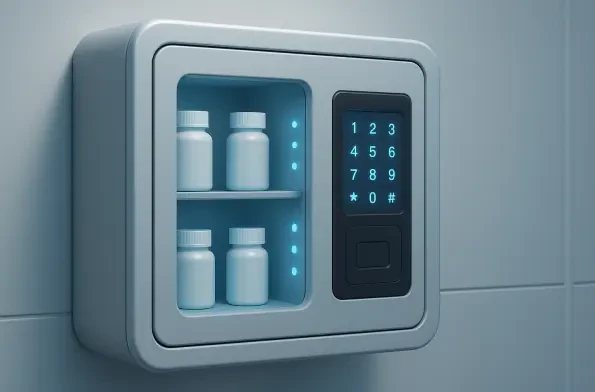
Security experts now agree that manual key systems are insufficient for protecting high-value medical equipment in busy environments with high staff turnover rates. As healthcare facilities in 2026 become more complex, the limitations of traditional locking mechanisms represent a major security liability. Physical keys are easily lost and offer no way to track who accessed sensitive areas, such as pharmaceutical storage or diagnostic laboratories. Modernizing with digital access systems allows for a more responsive security posture that can adapt to the daily challenges of a high-traffic clinical environment. By implementing wireless locking hardware and centralized management software, hospitals can ensure that only authorized personnel have access to restricted zones. This shift not only protects valuable physical assets but also enhances the overall safety of both patients and staff. The transition to a digital framework is a necessary step for any facility to maintain high security.
Saving Costs
Key Loss
The financial burden of maintaining a traditional key system is often overlooked until a major security breach or key loss occurs. In large hospitals, the administrative cost of managing thousands of physical keys is substantial, involving significant labor for distribution and tracking. When a master key goes missing, the expense of rekeying entire wings can reach thousands of dollars, making it a recurring financial risk for healthcare administrators. Digital access systems eliminate these costs by allowing security teams to deactivate lost credentials instantly through a software interface. In 2026, the return on investment for these systems is realized through the elimination of hardware replacement costs and the reduction of manual labor hours. Furthermore, the ability to issue temporary digital credentials for contractors or visitors without physical key handovers streamlines operations. This modernization allows facilities to reallocate funds toward critical patient services.
Staffing
High turnover rates among medical staff and the rotation of residents necessitate an agile access solution that manual keys cannot provide. Digital access allows for the precise tailoring of permissions based on individual roles and schedules, ensuring that staff members only enter areas relevant to their work. This level of control is essential for protecting expensive medical technology and ensuring that drug supplies remain secure. When an employee leaves the hospital, their digital credentials can be revoked immediately, removing any potential security gaps. In 2026, the speed of hospital operations requires this level of real-time responsiveness to maintain a safe environment. Automated onboarding and offboarding processes reduce the risk of human error and ensure that the facility stays compliant with internal security policies. The use of mobile credentials also improves the user experience for staff, allowing them to navigate the hospital safely and efficiently without key rings.
Compliance
Audits
Regulatory standards such as the NIS2 directive now require hospitals to maintain detailed records of access to sensitive areas and high-value assets. Manual logging is often incomplete or inaccurate, making it difficult for compliance officers to provide a clear picture of activity during a security audit. Digital access systems solve this by generating automated, time-stamped audit trails for every door within the facility. These logs provide a comprehensive record of entry events, facilitating rapid investigations in the event of a security breach or missing equipment. By having an immutable record of movements, hospitals can easily demonstrate adherence to national and international safety regulations. This transparency not only helps in meeting legal obligations but also encourages a culture of responsibility among the workforce. In 2026, the integration of physical access data into overall risk management strategies has become a fundamental requirement for modern healthcare facilities.
Future Safety
The implementation of digital access solutions established a more integrated and proactive approach to safety within the modern healthcare sector. By linking access control with other facility systems like fire detection and video surveillance, hospitals created a unified safety network that responded automatically to emergency events. This coordination improved evacuation procedures and gave security personnel a clearer view of the site during critical situations. Looking ahead, facility managers should prioritize the adoption of interoperable platforms that can scale as the medical center expands. The previous years showed that static security models were no longer sufficient for the dynamic needs of healthcare; instead, software-driven solutions offered the necessary flexibility and long-term value. Investing in scalable locking hardware ensured that facilities remained protected against evolving threats while enhancing operational resilience. This strategic shift transformed security into an asset for providing patient care.