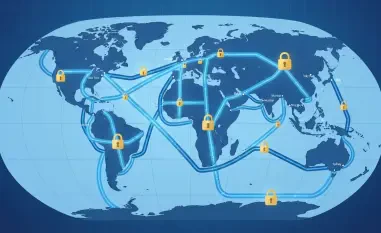
By analyzing the twelve-year evolution from Heartbleed to PHP2Shell, it becomes clear that technical fixes alone cannot substitute for deep-seated organizational readiness. In October 2026, the digital landscape of Nepal faced a significant stress test when authorities took the unprecedented step of temporarily disabling thousands of government websites. This was not a reactive scramble following a successful breach, but rather a calculated, precautionary maneuver aimed at shielding the nation’s infrastructure from “PHP2Shell.” These two critical vulnerabilities within the PHP programming language allowed for remote code execution, effectively granting potential attackers the ability to run malicious scripts on servers without needing any valid login credentials. The decision to pull systems offline highlighted a growing sophistication in how the government perceives digital threats, shifting away from a culture of ignorance toward one of active risk mitigation. However, this disruption also served as a stark reminder of the fragile nature of interconnected public services, where the mere presence of a software weakness can necessitate a partial national blackout to prevent a more catastrophic data loss or system takeover.
Historical Patterns of Global Cyber Vulnerabilities
Lessons from a Decade of International Infrastructure Failures: From Heartbleed to Shellshock
The journey toward modern cybersecurity maturity is paved with the lessons of the past twelve years, beginning with the seismic shifts caused by Heartbleed and Shellshock in 2014. These incidents fundamentally altered the global understanding of security by proving that even the most ubiquitous and trusted open-source components could harbor flaws for years without detection. Heartbleed, specifically targeting the OpenSSL library, exposed server memory and sensitive user data to the public internet, revealing that the invisible layers of software supporting global commerce were far more vulnerable than previously imagined. These early crises established a recurring theme in the industry: software is an ever-evolving organism, and its inherent weaknesses are often baked into the very foundations of the tools we rely on daily. The subsequent Shellshock vulnerability in the Bash shell further cemented the idea that a single line of legacy code could become a backdoor for millions of systems, forcing organizations to rethink how they audit and maintain the “invisible” parts of their digital estates.
Building on these foundational shocks, the global community watched as the stakes transitioned from theoretical data leaks to tangible human consequences. The 2017 WannaCry ransomware epidemic provided the most visceral example of this shift, as it paralyzed the British National Health Service and led to the cancellation of thousands of critical medical appointments. What made WannaCry particularly tragic was that a patch had already been released by Microsoft months prior to the outbreak; the disaster occurred because of a failure in institutional discipline rather than a lack of technical solutions. This gap between the availability of a fix and its actual implementation remains the primary vector for major cyber disasters. Similarly, the 2017 Equifax breach, which compromised the personal information of nearly 150 million people, was traced back to a failure to update a known vulnerability in Apache Struts. These events collectively demonstrated that even the most well-funded corporations and public entities are frequently undone by basic maintenance failures, proving that organizational inertia is often more dangerous than the exploits themselves.
The Complexity of Hidden Dependencies: Exploring the Legacy of Log4Shell
As we moved into the current era, the nature of vulnerabilities became increasingly complex, moving from individual software packages to deep-seated library dependencies. The Log4Shell crisis of 2021 serves as the ultimate case study for this “ingredient” problem, where a flaw in a simple Java logging library, Log4j, created a perfect storm of risk. Because Log4j was embedded within countless thousands of enterprise applications, many organizations did not even realize they were running the vulnerable code. This created a situation where the primary challenge was not just applying a patch, but actually discovering where the vulnerability existed within a massive, opaque software stack. It was like a food manufacturer discovering a tainted ingredient that had already been distributed into thousands of different packaged products worldwide. This incident forced a global reckoning regarding the software supply chain, highlighting that an organization is only as secure as the most obscure library used by its third-party vendors, a lesson that resonated deeply during the recent PHP2Shell response in Nepal.
This trend of exploiting the supply chain and session management continued to evolve with more recent incidents involving MOVEit and CitrixBleed. In 2023, the MOVEit transfer breach showed how a single vulnerability in a file-sharing tool could ripple through thousands of corporate clients, leading to massive data extortion campaigns. Meanwhile, the CitrixBleed vulnerability demonstrated that even if an organization managed to patch its systems, attackers who had already stolen session tokens could remain “squatting” in the network, bypassing multifactor authentication and other traditional defenses. These developments have taught cybersecurity professionals that a “patch and forget” mentality is no longer sufficient. Modern defense requires a deep investigation into whether a system was compromised before the fix was applied. These international experiences have provided the blueprint for Nepal’s current defensive strategy, emphasizing that the window of exposure is not closed simply because an update has been installed, but only after a thorough forensic review of the entire digital environment has been completed.
The Evolution of Nepal’s Defensive Landscape
Local Impact: From SWIFT Bank Heists to Stock Market Freezes
Nepal’s own history with digital threats has been marked by several high-profile incidents that have shaped the nation’s current proactive stance. In 2017, the compromise of NIC Asia Bank’s SWIFT environment served as a local wake-up call, as attackers attempted to move millions of dollars through fraudulent international transfers. This event, occurring alongside the global WannaCry outbreak that affected nearly 90 computers at a domestic financial institution, proved that geographic isolation offers no protection in a hyper-connected world. More recently, in early 2026, a ransomware attack on a shared data center utilized by 72 brokerage firms brought national stock exchange trading to a complete standstill. This incident was particularly illuminating because it highlighted the dangers of concentrated infrastructure. When a single point of failure is compromised, it does not just affect one company; it can paralyze an entire sector of the economy, creating a ripple effect of financial instability and eroding public trust in digital platforms.
These past traumas were clearly visible in the government’s response to the PHP2Shell vulnerability. Rather than waiting for a confirmed exploit to disrupt public services, the decision to preemptively shut down websites showed that the lessons of the stock market freeze and the SWIFT heist had been internalized. There is a growing realization within the Nepali tech community that the cost of a few hours of downtime is vastly preferable to the long-term damage caused by a data breach or a total system overwrite. However, the PHP2Shell incident also exposed the ongoing struggle with fragmented ownership. While the Government Integrated Website Management System allowed for a rapid, centralized response for many portals, websites managed by independent vendors or local offices lagged behind, showcasing a persistent gap in the national security posture. This disparity suggests that while the central government is becoming more resilient, the wider ecosystem still suffers from a lack of uniform standards and coordinated response capabilities across different administrative tiers.
Institutional Growth: The Rise of the National Cyber Security Centre
A pivotal moment in Nepal’s journey toward digital resilience was the establishment of the National Cyber Security Centre in 2024. Prior to this, the country lacked a specialized governmental body with the authority to issue nationwide advisories and coordinate emergency responses across both the public and private sectors. The NCSC’s quick action during the PHP2Shell scare, which included detailed technical advisories and direct communication with key stakeholders, marked a significant improvement over the uncoordinated efforts of previous years. However, the existence of a central center is only the first step in a long process of institutional maturity. For the NCSC to be truly effective, it must bridge the gap between issuing an advisory and ensuring that the technical recommendations are implemented on the ground. This requires building strong relationships with regional IT departments, private telecommunications companies, and the broader financial sector to ensure that information flows as quickly as the threats themselves.
Beyond government oversight, the growth of grassroots communities like npCERT and the Kathmandu chapter of the Open Worldwide Application Security Project has been essential in fostering a culture of security. These organizations provide a platform for local professionals to share intelligence, conduct workshops, and stay updated on global trends without relying solely on official channels. Furthermore, universities in Nepal have begun to treat secure software development and malware research as core academic pursuits, recognizing that a sustainable security posture requires a pipeline of skilled professionals who understand the local context. By integrating academic research with practical industry needs, Nepal is slowly moving toward a model where cybersecurity is not just an afterthought or a response to a crisis, but a fundamental part of the nation’s digital identity. This multidisciplinary approach is the only way to ensure that the institutional progress made by the NCSC is supported by a robust network of experts and an informed public.
Strategies for Achieving Operational Resilience
Moving Beyond Crisis: The Importance of Asset Visibility and Routine
The transition from a state of “precautionary panic” to one of “operational discipline” requires a fundamental shift in how Nepali organizations manage their digital assets. One of the primary hurdles during the PHP2Shell incident was the difficulty many administrators faced in determining whether their systems actually used the vulnerable versions of PHP. To address this, organizations must prioritize comprehensive software asset management, maintaining a detailed and live inventory of every component, library, and third-party service they run. This “Software Bill of Materials” approach allows a security team to instantly identify which systems are at risk when a new vulnerability is announced, cutting down response times from days to minutes. Using frameworks like the OWASP Top 10 for web risks and MITRE’s CWE Top 25 can further assist local developers in avoiding the common pitfalls that lead to these vulnerabilities in the first place, ensuring that security is built into the development lifecycle from the beginning.
Furthermore, the culture of “emergency patching” must be replaced with a routine administrative schedule that treats security updates as a standard part of business operations. In more mature markets, concepts like “Patch Tuesday” have turned security maintenance into a predictable and manageable task, and Nepal’s public and private sectors would benefit from adopting a similar rhythm. By scheduling regular maintenance windows, organizations can reduce the friction associated with applying updates and minimize the operational impact on users. This routine approach also allows for more thorough testing in staging environments before a patch is deployed to live systems, reducing the risk of a fix inadvertently breaking other critical functions. Resilience is not built during a crisis; it is established through the quiet, consistent application of best practices during times of calm, ensuring that when a threat does emerge, the infrastructure is already in a state of readiness to absorb the impact.
Beyond the Patch: Verification and Defense in Depth
Applying a software patch is only half of the battle; the second, often overlooked half involves verifying the fix and investigating the “window of vulnerability.” Between the time a flaw is discovered and the time it is patched, there is always a chance that an attacker has already exploited the weakness to plant a backdoor or steal credentials. Nepali organizations must develop the capability to perform post-patch investigations, searching for signs of unauthorized access or unusual administrative activity that may have occurred during the danger zone. This requires robust logging and monitoring systems that can provide a historical record of system behavior. Without this verification step, a patch can provide a false sense of security while an intruder remains quietly active within the network. This “post-breach” mindset is essential for modern defense, as it assumes that prevention will eventually fail and that the ability to detect and evict a “squatter” is just as important as the initial defense.
A truly resilient digital infrastructure also relies on the principle of “defense in depth,” which ensures that the failure of a single security control does not lead to a total compromise. While patching vulnerabilities like PHP2Shell is critical, organizations must also invest in secondary layers of protection, such as network segmentation, robust multifactor authentication, and real-time anomaly detection. Most importantly, the ability to recover from a successful attack depends on having tested, off-site backups and a rehearsed incident response plan. If a ransomware attack or a destructive exploit does occur, the goal is to be able to restore operations from a known good state without paying a ransom or suffering permanent data loss. By focusing on recovery and resilience alongside prevention, Nepal can ensure that its digital presence is robust enough to withstand the inevitable shocks of the modern threat landscape, turning cybersecurity into a competitive advantage rather than a perpetual source of national anxiety.
Addressing the Human Element in Cybersecurity
Social Engineering: Exploiting Trust in Times of Crisis
While the technical aspects of vulnerabilities like PHP2Shell dominate the headlines, the human element remains the most frequent and effective entry point for attackers. In Nepal, this vulnerability has been exploited through sophisticated social engineering tactics that prey on the trust and immediate needs of the population. During the devastating floods of late 2026, scammers utilized fake QR codes and fraudulent relief appeals to redirect donations away from legitimate charities and into the pockets of criminals. These attackers understand that in moments of crisis, people are more likely to bypass their usual skepticism in an effort to help or find assistance. This exploitation of human empathy and urgency demonstrates that no amount of technical firewalling can protect a society if the individuals within it are not trained to recognize and resist deceptive digital tactics. Cybersecurity, therefore, must be viewed as a social challenge as much as a technical one, requiring a deep understanding of local culture and communication patterns.
This trend of human exploitation is further complicated by the rise of state-sponsored and professional criminal groups using deceptive recruitment strategies to infiltrate organizations. Reports have highlighted instances where actors use fake job offers and professional networking sites to trick IT professionals into installing malware under the guise of technical assessments. In Nepal’s growing tech sector, where young developers are eager for international opportunities, these tactics can be particularly effective. By targeting the human link in the chain, attackers can bypass the most sophisticated perimeter defenses, gaining access to internal networks through legitimate user credentials. This reality underscores the need for continuous security awareness training that goes beyond simple “don’t click on links” advice. Employees and citizens need to be equipped with the critical thinking skills necessary to verify the identity of digital contacts and understand the common psychological triggers used by scammers to manipulate their behavior.
The Path Forward: Cultivating a Multidisciplinary Security Mindset
The response to the PHP2Shell incident in late 2026 ultimately demonstrated that Nepal had moved past its initial stages of digital vulnerability. The government and private sectors recognized that software flaws were inevitable and that the true measure of a nation’s security was its ability to respond with coordination and transparency. Stakeholders established clearer lines of accountability, ensuring that specific agencies were responsible for the uptime and security of critical portals, which reduced the confusion seen in previous years. Furthermore, the collaboration between the National Cyber Security Centre and academic institutions resulted in a more informed public, as educational campaigns reached deeper into the daily lives of citizens, teaching them to treat digital interactions with a healthy level of skepticism. This shift in mindset proved to be the most effective defense against the social engineering tactics that attempted to exploit the flood crisis earlier in the year.
As the nation looked toward the 2026-2028 period, the focus transitioned from reactive measures to the creation of a self-sustaining security ecosystem. The integration of advanced monitoring tools and the adoption of routine patching cycles became standard practice for major financial and governmental institutions, significantly narrowing the window of opportunity for attackers. These efforts did not eliminate threats entirely, but they ensured that when vulnerabilities were discovered, the infrastructure was prepared to absorb the shock without requiring a total shutdown of public services. By treating cybersecurity as a multidisciplinary endeavor involving technical, institutional, and human elements, Nepal successfully turned the lessons of the PHP2Shell incident into a foundation for long-term digital stability. The proactive stance adopted during this period served as a model for other developing digital economies, proving that limited resources were not an excuse for poor security when coupled with strong leadership and a vigilant, educated population.