The integration of mobile devices into the fabric of physical security has reached a pivotal moment where the smartphone is no longer just a peripheral tool but the central nervous system of modern building management. The 2N Mobile Access Ecosystem marks a shift away from fragmented security silos toward a unified digital identity framework. This review explores how the synergy between software and hardware creates a frictionless journey for users while maintaining the rigorous standards required for property protection. The platform represents an evolution in access control, emphasizing the user experience as the primary driver for technological adoption.
Evolution of Mobile-First Access Control
Transitioning from physical credentials to digital-first management reflects a fundamental change in how individuals interact with their environments. For decades, the security industry relied on proprietary cards and mechanical keys that were easily lost or duplicated, creating vulnerabilities and administrative burdens. Now, the move toward mobile credentials allows for a more dynamic and secure method of verification that leverages the sophisticated biometric and encryption layers already present in high-end smartphones. This shift is not merely about convenience; it is about establishing a higher baseline for security through decentralized identity management.
Within this context, the technology under review has emerged as a leader in creating a cohesive ecosystem. By replacing physical tokens with digital ones, property managers can issue, revoke, and manage access rights in real time without ever needing to physically handle a key or card. This digital-first approach aligns with the broader technological landscape, where mobility and connectivity are the foundations of modern infrastructure. It provides a scalable solution that can grow alongside a building, adapting to the changing needs of its occupants.
Core Components and Technical Architecture
The My2N App and Unified User Interface
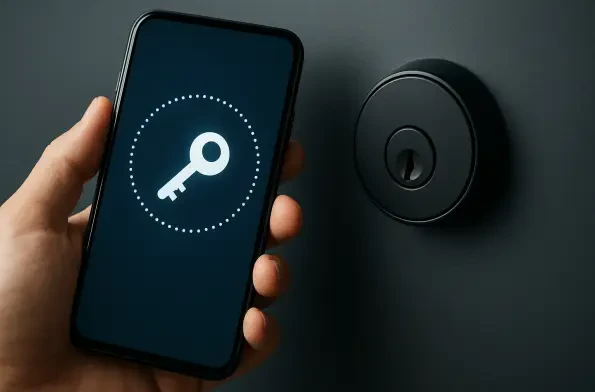
At the heart of this system lies the My2N app, which serves as the primary interface for every interaction within the ecosystem. It successfully consolidates functionalities that were previously spread across multiple platforms, such as receiving video intercom calls, granting remote access to visitors, and managing personal credentials. This consolidation reduces the cognitive load on the user and ensures that security protocols are followed consistently without the friction of switching between disparate applications. The interface is designed for simplicity, ensuring that users can navigate their environment with minimal effort.
2N Fortis Hardware: Handles and Cylinders
The hardware side of the ecosystem is anchored by the 2N Fortis line, which offers specialized solutions for different entry points. The Fortis Handle is engineered for commercial interiors, providing a robust electronic lever for office suites and meeting rooms where high traffic and durability are paramount. In contrast, the Fortis Cylinder provides a sleek, non-intrusive solution for residential doors, allowing for a keyless experience without requiring the aesthetic modifications often associated with commercial-grade locks. Both devices are designed to withstand heavy use while maintaining a high level of aesthetic appeal.
Multi-Protocol Communication: Bluetooth and NFC
Managing the technical handoff between different communication standards is a sophisticated feat of this architecture. While the main building intercoms often utilize Bluetooth for long-range detection and hands-free entry, the Fortis locks rely on Near Field Communication (NFC) for short-range, intentional interaction. The ecosystem hides this complexity from the user, ensuring that whether they are approaching a lobby reader or an individual office door, the transition remains seamless. This dual-protocol strategy ensures that the system is compatible with a wide range of devices while maintaining strict security boundaries.
Current Industry Trends and Market Drivers
Market drivers in 2026 indicate that the demand for mobile-centric security is no longer a niche preference but a standard expectation in both the residential and commercial sectors. Data from the most recent industry reports suggests that a majority of security managers now prioritize mobile access as the most vital trend for the period from 2026 to 2029. This shift is largely driven by the pursuit of operational efficiency and the desire to provide a superior user experience that mirrors the convenience of modern banking and travel. The market is moving away from standalone devices toward integrated systems that offer holistic management.
Real-World Applications and Deployment Scenarios
Real-world applications of this technology are particularly evident in the multi-tenant residential and commercial real estate markets. For developers and property managers, the ability to retrofit historical properties without the need for extensive cabling is a significant advantage. By using battery-powered, offline devices, owners can modernize a 19th-century facade or a classic office layout with current security features while avoiding the prohibitive costs of structural drilling. This makes the system an attractive option for a wide variety of architectural styles and age ranges.
Challenges and Technical Limitations
Despite these advancements, managing a fleet of offline, battery-operated devices presents unique logistical challenges. Ensuring that firmware remains current across all nodes and that battery levels are monitored effectively requires sophisticated administrative software like 2N Access Commander. Furthermore, the technical hurdles of maintaining cross-platform compatibility across various smartphone manufacturers—each with their own NFC and Bluetooth implementations—require constant vigilance. These limitations are managed through regular software updates and a robust support framework that ensures the system remains reliable over time.
The Future of Unified Building Access
Looking ahead, the potential for deeper integration with broader smart home and office automation systems is vast. Future developments are expected to incorporate more advanced biometric enhancements and AI-driven security protocols that can predict and identify unusual access patterns in real time. This evolution will likely redefine urban living, turning buildings into responsive environments that recognize residents and adjust lighting, climate, and security settings before they even step through the door. This proactive approach to security will create safer and more efficient spaces for everyone.
Conclusion and Assessment
The synthesis of the My2N application and the Fortis hardware line established a new benchmark for unified building access. By prioritizing user convenience and administrative flexibility, the ecosystem successfully addressed the traditional pain points of physical key management. This review found that the technology not only improved the daily lives of residents and employees but also provided property managers with a scalable, forward-thinking solution. It demonstrated the power of a truly integrated mobile-first security strategy, confirming its place as a cornerstone of modern property management.