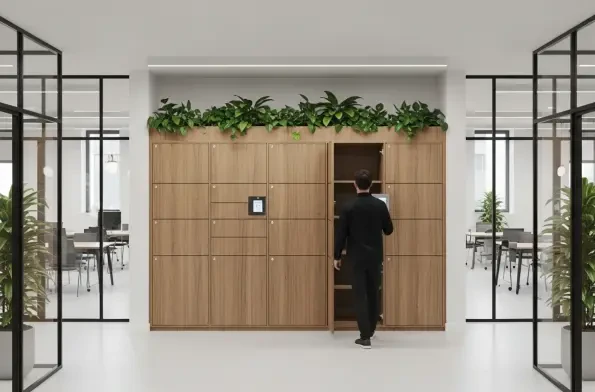
The heavy rattle of a janitor’s keychain has become an obsolete soundtrack in a world where smartphones act as universal passports for every door and transaction. In a society that has largely moved toward contactless payments and mobile-first interactions, the clatter of mechanical locks and the frustration of coin-operated lockers feel increasingly out of place. Modern storage is no longer just about a metal box and a padlock; it is about seamless integration into the digital flow of a building.
As organizations ditch the high costs of replacing lost keys, they are discovering that digital access transforms personal storage from a maintenance headache into a sophisticated, automated asset. This shift reflects a broader demand for efficiency, where every second spent searching for a physical key is viewed as a drain on productivity. By embracing electronic credentials, facilities move away from stagnant hardware toward dynamic systems that adapt to the user’s needs in real time.
Why Traditional Storage Systems Are Failing Modern Facilities
Physical keys and manual locking mechanisms present significant administrative and security challenges in high-traffic environments like hospitals, schools, and corporate offices. When a single key is lost, the security of the entire unit is compromised, often requiring expensive lock replacements and manual record-keeping that drains staff productivity. Furthermore, traditional systems lack the flexibility required by today’s dynamic workforce, where “hot-desking” and flexible scheduling demand storage solutions that can be reassigned instantly.
The transition to digital access addresses these inefficiencies by replacing vulnerable physical hardware with encrypted, traceable, and easily managed electronic credentials. Manual systems simply cannot keep pace with the rapid turnover of users in a modern facility. Without the ability to track who accessed which unit and when, security teams are left in the dark, relying on reactive measures rather than proactive management. Digital solutions close this gap by providing a transparent audit trail for every interaction.
Core Innovations: Driving the Digital Locker Revolution
The shift toward advanced solutions like the SMARTair i-locker is defined by a move toward wireless, battery-powered infrastructure. These systems eliminate the need for complex wiring, allowing for easy installation on existing office furniture or specialized medical trolleys. Modern digital management offers two distinct operational strategies: “Free Mode,” which allows users to claim any available locker via a smartphone app or RFID wearable, and “Assigned Mode,” which designates specific lockers for long-term use.
With integrated LED feedback providing immediate visual status updates and the ability to manage up to 60 units from a single wall-mounted hub, these systems provide a level of scalability that mechanical locks simply cannot match. This wireless flexibility means that a facility can be upgraded without a major construction project. Because these devices run on high-efficiency batteries, the total cost of ownership remains low while the functionality far exceeds that of a traditional steel cabinet.
Security Expert Insights: Integrated Facility Ecosystems
Security professionals increasingly view locker management as a critical component of holistic site security rather than a peripheral concern. By utilizing wireless networks and intuitive administrative software, facility managers gain real-time oversight of every storage unit on the premises. Experts highlight that digitalizing access does more than just prevent theft; it provides valuable data on locker utilization and reduces the operational footprint of security teams.
This integrated approach ensured that sensitive documents in law firms or controlled medications in healthcare settings remained protected by the same high-level encryption used for building entry points, creating a unified and safer environment. Furthermore, the ability to revoke access rights instantly through a central dashboard mitigated the risks associated with employee turnover. This level of control turned personal storage into a frontline defense for sensitive assets.
Implementation: A Scalable Digital Access Strategy
Transitioning to a digital locker system required a strategic approach to ensure the technology aligned with organizational needs. First, facilities evaluated user traffic patterns to determine whether a flexible “Free Mode” or a structured “Assigned Mode” was more appropriate for their unique workflow. This evaluation phase helped administrators avoid over-provisioning and ensured that the storage capacity matched the actual peak demand of the building’s occupants.
Administrators leveraged mobile-enabled platforms, such as the Openow app, to provide users with a keyless experience that recorded locker numbers automatically, reducing “forgotten locker” inquiries. By selecting energy-efficient, battery-operated hardware, organizations ensured long-term sustainability and ease of maintenance. This forward-thinking strategy allowed the storage network to grow effortlessly alongside the facility, proving that the future of storage was not just about the lock itself, but the intelligence behind the access.