Malik Haidar has spent years at the intersection of digital and physical security, helping multinational corporations navigate the complex landscape of unauthorized access. With a career built on integrating high-level business strategy with practical intelligence, he understands that a single lock is rarely enough in today’s high-stakes environment. In this discussion, we explore the evolution of multi-factor authentication at the door and how new technologies like the SMARTair i-reader are bridging the gap between convenience and rigorous compliance.
High-security environments often require more than a single layer of protection to meet compliance standards. How does the integration of digital two-factor authentication reshape the way we think about physical entry points?
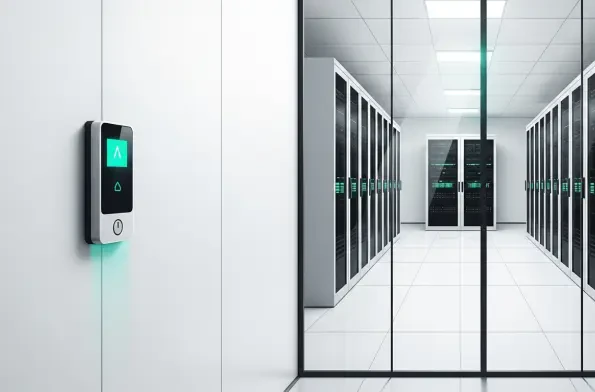
Two-factor authentication is no longer just a digital concept reserved for your email; it has become a fundamental requirement for securing physical premises where regulations demand higher deterrence. By requiring both a PIN and a physical credential, facility managers can effectively block an evolving range of threats that might bypass a single layer of security. This approach doesn’t have to mean standing in the rain fumbling with buttons; modern systems like the SMARTair i-reader Keypad provide a capacitive backlit interface that feels responsive and intuitive. It is about creating a secure perimeter that feels seamless to the authorized user while presenting a formidable barrier to any intruder trying to gain unauthorized access.
With the introduction of the SMARTair i-reader Keypad, we see a focus on versatility regarding credentials. In what ways does this flexibility impact the daily operations of a large facility?
The real power of this technology lies in its ability to accommodate diverse user needs through cards, fobs, badges, and even mobile keys. For instance, when a driver approaches a parking barrier, the Openow mobile credential can be detected automatically from up to 5 meters away, providing a smooth transition from the street to the parking spot without sacrificing safety. This flexibility also extends to emergency situations; because the device can operate offline, a sudden power cut will not compromise site security or leave users locked out. It allows facility managers to offer cost-effective PIN entry for staff who might have forgotten their badges, ensuring that productivity does not grind to a halt because of a misplaced piece of plastic.
Managing access for temporary users and contractors is a perennial challenge for security teams. How do digital management options like remote PIN issuance change the dynamic of on-site security?
Moving away from physical key handovers to remote PIN issuance is a massive shift for sectors like multi-residential housing or large corporate campuses. You can now issue time-restricted access to a subcontractor for a specific elevator or staircase without ever needing to meet them in person to hand over a physical fob. This is particularly useful in places like data centers or hospital wards where access must be tightly controlled and audited at all times to maintain safety protocols. Being able to program these devices to switch between card/PIN and full 2-factor authentication at different times of day allows for a tailored security posture that adapts to the building’s occupancy levels. It transforms the security team from simple key-holders into strategic managers who can control the flow of people across the entire facility with just a few clicks.
How does the ability to toggle security levels remotely enhance the resilience of a building’s security strategy, especially during off-peak hours?
The ability to toggle security levels remotely is a game-changer for maintaining a high-security posture without the crushing expense of round-the-clock staffing. During the day, you might prioritize fast and easy access for employees, but as night falls and occupancy drops, you can automatically switch specific doors to require full two-factor authentication for added protection. This proactive adjustment ensures that your most sensitive areas, such as courthouses or research labs, are protected by an extra layer of defense when fewer eyes are on the premises. The customizable LED and robust IP56 certification mean these units keep working reliably in low-light and harsh outdoor environments, giving managers total peace of mind. It is a dynamic way to manage risk that scales with the needs of the business, ensuring that security is always exactly as tight as it needs to be.
What is your forecast for the future of physical access control?
I believe we are moving toward a completely “keyless” ecosystem where the physical credential becomes secondary to the identity itself, managed through end-to-end encryption and mobile platforms. We will see more facilities adopting energy-efficient, wireless online systems that allow for real-time auditing and instant permission changes from any location. The integration of 2FA at the door will become the standard rather than the exception, as the technology becomes even more invisible to the user while remaining impenetrable to outsiders. Ultimately, the future lies in systems that are intelligent enough to recognize a user’s intent while maintaining a rigorous, compliant barrier against modern security threats.