The rapid proliferation of hyper-realistic generative artificial intelligence has fundamentally eroded the foundational trust required for digital communication between corporate leaders and their stakeholders. As deepfake technology becomes increasingly accessible, distinguishing a genuine video call from a sophisticated digital forgery has transformed from a cinematic curiosity into a daily operational hazard for high-profile executives and their families. To address this escalating crisis, BlackCloak recently introduced its “Impersonation Protection” suite, a platform designed to shift the focus from reactive detection toward proactive, source-based authentication. This strategic move acknowledges that in an era where voices and faces can be mimicked by software, the only reliable way to ensure security is to validate identity through a secondary, independent channel before any sensitive information or financial capital is shared. By moving away from the “detection arms race,” this methodology prioritizes the integrity of the connection itself over the fallible analysis of digital artifacts.
The Deteriorating Threat Landscape
Navigating the Risks: AI-Driven Disinformation
Modern research suggests that the tactical environment for executive security has shifted toward a state of constant disinformation where every digital signal is viewed with skepticism. Nearly half of the board members currently serving in major corporations report that they have already been the targets of sophisticated deepfake media designed to manipulate their decision-making or financial authorization. This vulnerability is compounded by the fact that over fifty percent of these leaders admit it is nearly impossible to differentiate between a synthetic video and a real one during a standard video conference. These deceptive attacks are frequently timed for high-pressure scenarios, such as late-night emergency briefings or time-sensitive acquisition negotiations, where the cognitive load on the executive is highest. In such moments, the reliance on visual and auditory familiarity becomes a liability that cybercriminals exploit with precision, leading to significant corporate losses.
Corporate Vulnerabilities: Gaps in Managed Security
The fundamental limitation of legacy security software lies in its reliance on analyzing technical file metadata or identifying subtle pixel irregularities within official communication channels. While these methods may offer some protection within a managed enterprise environment, sophisticated attackers frequently bypass these digital checkpoints by engaging executives through personal devices and encrypted messaging applications. In these private digital spaces, corporate IT departments lack the visibility or administrative control necessary to monitor for potential impersonation attempts. This security gap necessitates a transition toward out-of-band verification strategies that operate independently of the primary communication medium. By establishing a verification layer outside the potentially compromised conversation, organizations can ensure that the identity of the sender is confirmed through a trusted infrastructure that is not susceptible to the same manipulative techniques as the video stream.
Mechanics of the Circle of Trust
Establishing a Secure Authentication Workflow
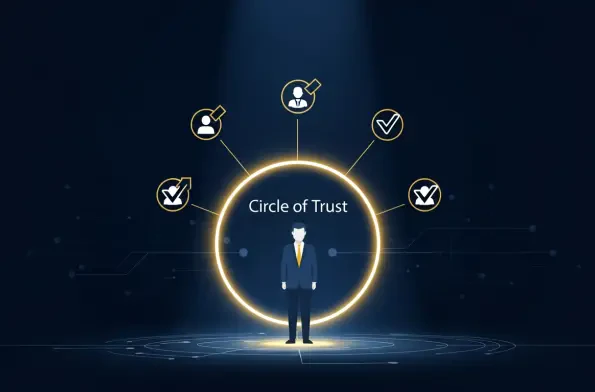
The Circle of Trust functionality represents a significant evolution in digital identity management by allowing high-profile individuals to create a verified network of trusted associates. This system enables a user to extend a protective digital umbrella over a carefully selected group of professional colleagues, wealth managers, and family members. When a high-stakes request is received, such as an urgent demand for a change in banking instructions, the user can instantly trigger a real-time authentication challenge through the specialized platform. This request requires the recipient to perform a conscious act of identity confirmation on their own registered device, which effectively breaks the illusion created by a deepfake. By forcing a secondary interaction through a known and secure channel, the platform provides an objective method for verifying the identity of the person on the other end, thereby removing the psychological pressure and ambiguity.
Privacy and Accountability: Integrating Biometric Tools
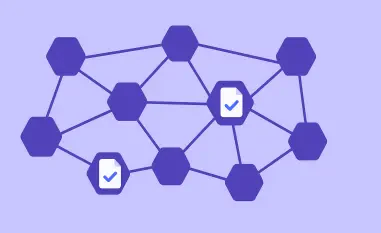
To maintain a rigorous security posture without imposing a heavy technical burden on users or compromising their privacy, the system utilizes native biometric capabilities integrated into modern smartphones. By employing established technologies like FaceID or advanced fingerprint scanning, the platform can verify a user’s identity with high confidence without ever needing to store sensitive biological data on external servers. This decentralized approach to biometric authentication ensures that privacy remains a priority while still providing the robust verification necessary to thwart AI-driven impersonation. Furthermore, every successful or failed authentication attempt generates a tamper-proof audit trail stored within a secure digital ledger. This documentation serves as a critical record for corporate compliance and provides forensic evidence in the event of an incident, allowing organizations to maintain accountability and ensuring that all high-value communications are backed by history.
Strengthening the Personal Security Perimeter
Protecting High-Profile Networks: Social Engineering
Recognizing that an executive’s digital vulnerability often extends far beyond the perimeter of the corporate office is essential for modern cybersecurity strategy. Cybercriminals have increasingly focused their efforts on the “personal security perimeter,” targeting the family members, personal assistants, and private wealth advisors who comprise a leader’s inner circle. These individuals are often seen as softer targets who have more direct access to the executive but may lack the same level of rigorous cybersecurity training found in a corporate setting. By exploiting the inherent trust and emotional bonds within these relationships, attackers can bypass enterprise firewalls and conduct highly effective social engineering campaigns. The introduction of an authenticated perimeter that encompasses these key figures effectively neutralizes the primary weapon of the modern hacker: familiarity. When every member of a network is part of a verified ecosystem, the ability of a deepfake to exert leverage is eliminated.
Strategic Defense: Mitigating Deception Through Identity
The successful deployment of the Circle of Trust established a critical transition from purely technical defense toward a holistic model of human-centric security. Organizations that integrated these proactive authentication workflows into their standard operating procedures observed a more resilient defense against the rising tide of generative AI threats. Moving forward, security practitioners prioritized the development of interoperable verification standards that could scale across diverse personal and professional ecosystems without introducing friction into daily life. Security leaders emphasized that the most effective solution resided in the combination of biometric certainty and decentralized verification, ensuring that identity was never assumed but always proven. This strategic focus allowed for the creation of a future-proof architecture where the authenticity of a digital interaction was determined by cryptographic proof rather than the subjective perception of the human eye.