Hackers & Threats
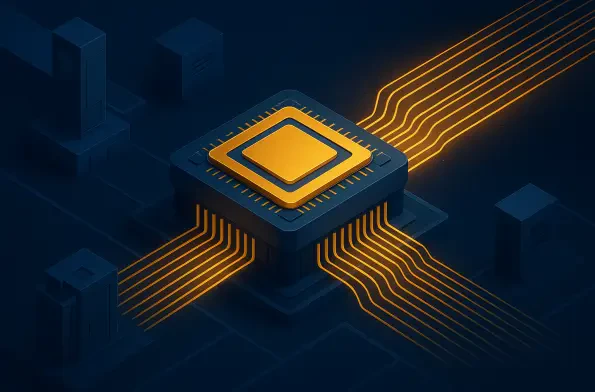
Rooted in research from the Technical University of Denmark, Dencrypt’s encryption methods have undergone ten years of development to meet the most stringent security requirements. This acquisition by Terma, Denmark’s premier defense and aerospace manufacturer, represents a pivotal moment for Eur

There is a growing consensus among financial regulators that a national scams protection framework is the only way to hold digital platforms accountable for fraudulent content. The Australian Securities and Investments Commission has identified an alarming increase in investment scams leveraging
The rapid industrialization of malicious code injection within open-source repositories represents a fundamental transformation in how digital adversaries breach corporate defenses. In an environment where software is assembled from a mosaic of third-party dependencies, the traditional focus on

The emergence of Kimwolf v7 underscores a broader trend in the cybersecurity landscape where botnets adopt decentralized blockchain infrastructure to maintain operational resilience against aggressive law enforcement takedown attempts. This specific malware variant, often identified in telemetry as
Unmasking the Technical Challenges of Kernel-Level Persistence When a state-sponsored threat actor successfully embeds its operations within the very foundation of an operating system, the boundary between legitimate system activity and malicious intrusion effectively dissolves. Traditional
The rapid evolution of modern cyber warfare has transformed standard corporate tools into primary vectors for high-stakes industrial espionage, as seen in the recent targeting of critical Russian infrastructure. Threat actors have successfully demonstrated that even specialized communication and

Read More