Cyber Risk Management
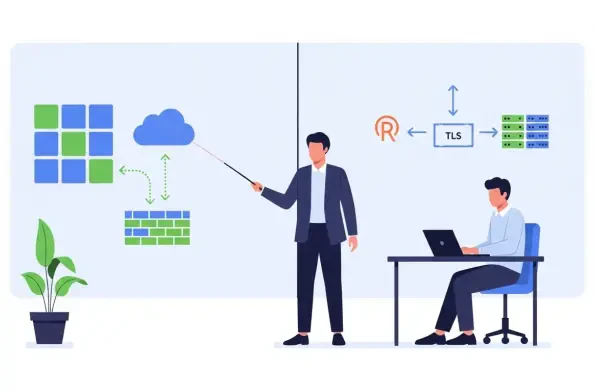
In this conversation, Malik Haidar brings the hard-earned instincts of a cybersecurity veteran who has spent years hunting threats across multinational environments. He blends analytics, intelligence, and business pragmatism to confront a fast-shifting reality: AI is now both a power tool and a
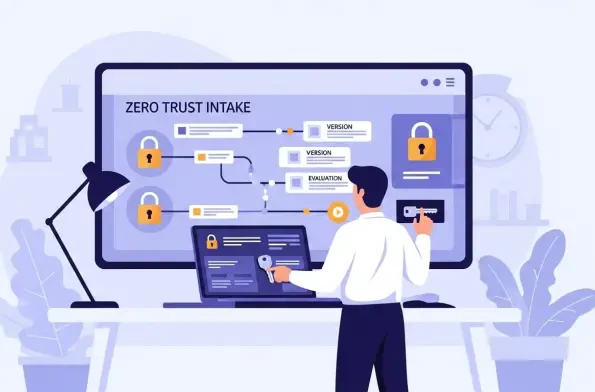
Malik Haidar has spent years inside multinational environments tracing how telecom fraud and web‑scale scams turn clicks into cash. In this conversation, he breaks down a fake multi‑step CAPTCHA that silently triggers international SMS, the way cookies and back‑button hijacking filter and trap users

The Stakes: Passwords Finally Met Their Match Breaches kept rising, help desks drowned in reset tickets, and attackers outpaced users with slick phishing kits that hijacked one-time codes and pushed fatigue, so a different login primitive, not a harsher password rule, became the only credible path

Market Context and Purpose Breach headlines multiply while payrolls barely inch forward, creating a whiplash market where risk soars as rewards stall and the professionals holding the line feel chronically underpaid. The security function has become a dependency for boards and regulators, yet
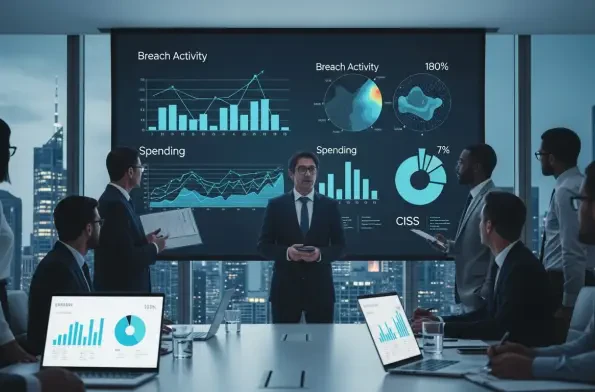
Stephen Morai sits down with Malik Haidar, a seasoned cybersecurity leader whose work blends hands-on reverse engineering with business-first risk strategy. With years spent countering sophisticated adversaries in multinational environments, Malik unpacks the rediscovery of fast16—a 2005-era s

Boardrooms cheered record AI rollouts while basic safeguards frayed, and attackers quietly slipped through reopened cracks. The tension between speed and security was no longer theoretical; it was surfacing in real incidents where sanctioned AI projects stumbled on fundamentals long considered

Read More