AI in Cybersecurity

As a cybersecurity veteran who has navigated the shifting tides of threat intelligence within multinational corporations, I have witnessed the transition from manual hacking to the era of automated exploitation. My career has focused on bridging the gap between high-level business strategy and the

In this conversation, Malik Haidar brings the hard-earned instincts of a cybersecurity veteran who has spent years hunting threats across multinational environments. He blends analytics, intelligence, and business pragmatism to confront a fast-shifting reality: AI is now both a power tool and a
Market Context and Purpose Breach headlines multiply while payrolls barely inch forward, creating a whiplash market where risk soars as rewards stall and the professionals holding the line feel chronically underpaid. The security function has become a dependency for boards and regulators, yet
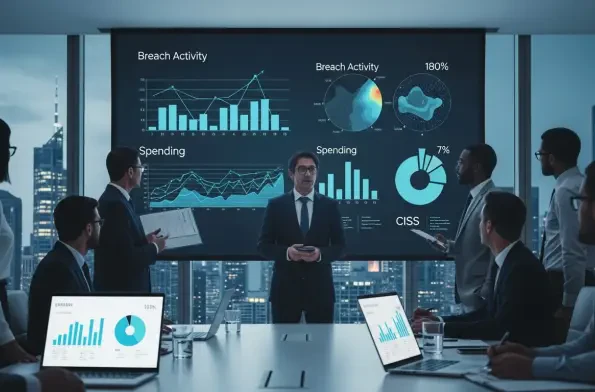
Boardrooms cheered record AI rollouts while basic safeguards frayed, and attackers quietly slipped through reopened cracks. The tension between speed and security was no longer theoretical; it was surfacing in real incidents where sanctioned AI projects stumbled on fundamentals long considered

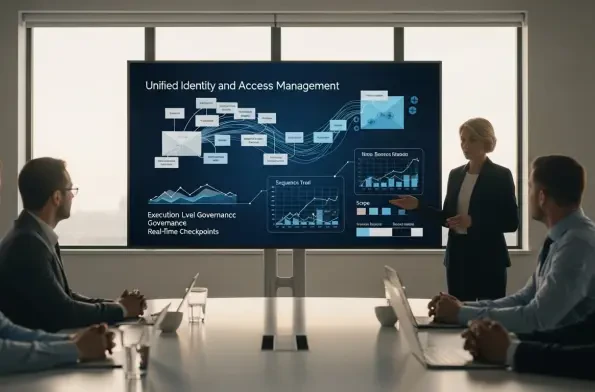
Malik Haidar has spent years in the trenches of multinational security, closing the distance between boardroom priorities and frontline incident response. He treats identity not just as a login but as a living system spanning humans, non-human services, and fast-moving agentic AI. In this
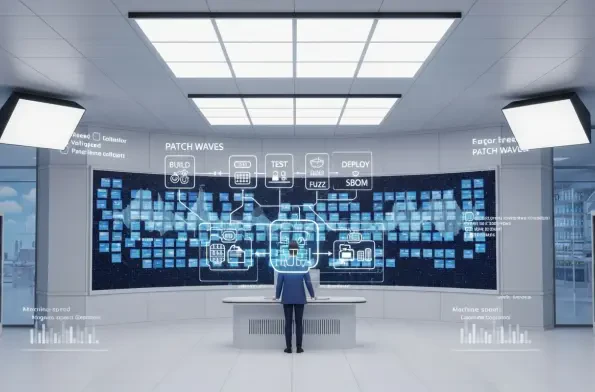
Bugs that once hid for months now surface in hours as AI tears through codebases, configs, and clouds, collapsing the gap between discovery and attack while regulators recalibrate what counts as reasonable security. That shift is not abstract; it is operational, legal, and commercial all at once.
Read More