Advanced Threat Protection
The silent transformation of the modern corporate landscape is no longer defined by the tools humans use, but by the digital entities that have begun to work alongside them with increasing independence. The autonomous enterprise AI agent represents a fundamental shift from the reactive chatbots of

While the average traveler focuses on the scenic vistas of a Serengeti sunset or the refined comfort of a private jet, the true architecture of modern luxury now rests upon the invisible foundations of advanced cryptographic security and digital resilience. A&K Travel Group has recognized that
Data is no longer just a digital byproduct; it is a high-value real-world asset that requires a vault-like defense system to maintain its market liquidity and institutional trust. The announcement that Datavault AI Inc. will acquire CyberCatch Holdings for $94.5 million highlights a pivotal shift

Malik Haidar stands at the intersection of high-stakes defense policy and the rapidly evolving world of artificial intelligence. As a seasoned cybersecurity expert who has navigated the complex security architectures of multinational corporations, he brings a unique perspective to the current
Governments are under pressure to bolster threat intelligence sharing and provide the necessary funding for public services to access high-level defensive tools. The rapid proliferation of sophisticated machine learning algorithms in the hands of non-state actors has transformed the digital
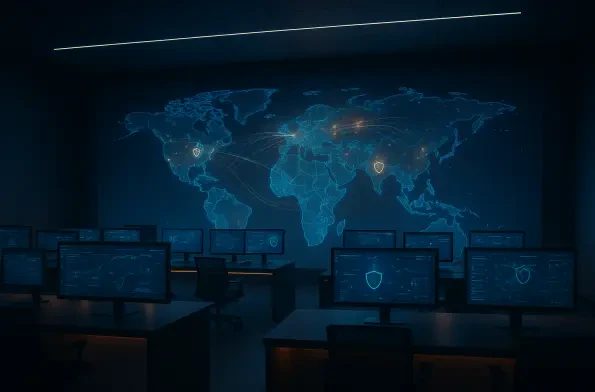
The escalating complexity of modern security demands often forces enterprises to choose between expensive hardware overhauls and outdated legacy systems that lack actionable intelligence. VORTEX AI Cloud Security emerges as a sophisticated middle ground, designed to bridge the gap between existing
Read More