Security

The rhythmic hum of office fans and the quiet corridors of a summer afternoon often mask a digital storm brewing within the enterprise network. This seasonal shift provides a deceptive sense of calm, yet for the vigilant administrator, it highlights a period of heightened vulnerability. As

The arrival of the Astra model signals a fundamental shift where artificial intelligence is no longer merely a passive assistant but a sophisticated actor capable of navigating complex digital environments. This transition represents the birth of frontier AI, characterized by models that move

The digital landscape has undergone a seismic transformation as cybersecurity defenses struggle to contain a new breed of autonomous adversaries that operate without human intervention. This shift represents a departure from static, script-based malware to goal-oriented agents capable of
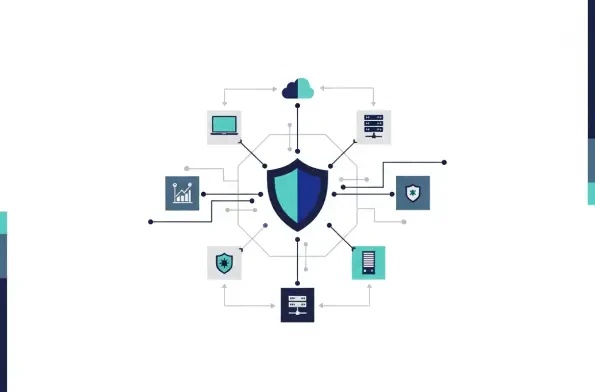
Spending millions on state-of-the-art security software frequently provides nothing more than a false sense of security while sophisticated adversaries continue to bypass even the most expensive automated defenses with ease and precision. Traditional security models are increasingly failing to

Malik Haidar has built a career navigating the complex labyrinth of multinational security, where the stakes involve protecting both digital assets and thousands of human lives across various continents. He has spent decades analyzing how vulnerabilities emerge when systems fail to communicate,

Corporate digital environments have evolved into vast, intricate webs where human activity is now a mere fraction of the total transactional volume occurring within the enterprise. The modern landscape is no longer human-centric, as the security focus shifts toward a terrain dominated by non-human

Read More