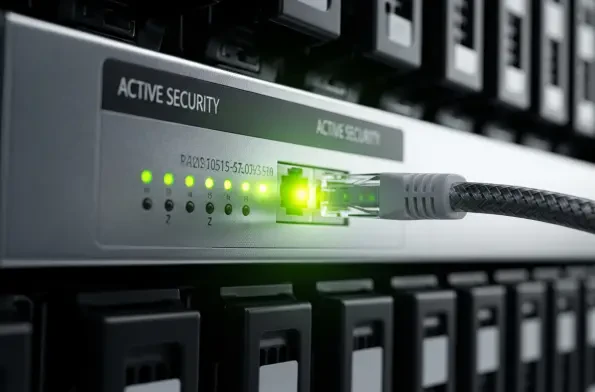
The rhythmic hum of office fans and the quiet corridors of a summer afternoon often mask a digital storm brewing within the enterprise network. This seasonal shift provides a deceptive sense of calm, yet for the vigilant administrator, it highlights a period of heightened vulnerability. As specialized personnel depart for their annual leaves, the structural integrity of a security posture is tested by the reduced availability of eyes on the screen. The objective of this guide is to provide a comprehensive framework that transforms seasonal vulnerability into a period of reinforced stability, ensuring that an organization remains impervious to threats regardless of its physical occupancy levels.
Strategic resilience during these months requires a shift in mindset from standard operations to a specialized defensive posture. The primary goal is to ensure that detection, response, and recovery capabilities do not degrade when the primary incident handlers are away. By establishing a clear set of protocols and redundancies, leadership can foster an environment where security becomes an autonomous function of the business. This article explores the steps necessary to fortify digital assets against an adversary that never takes a day off, providing a roadmap for maintaining operational continuity during the warmest time of the year.
Securing Your Enterprise During the Seasonal Staffing Dip
The arrival of the summer season traditionally introduces a lull in business activity, but this period is increasingly viewed by cybercriminals as an optimal window for exploitation. When key decision-makers and technical experts are unreachable, the organizational ability to react to a sophisticated breach is significantly hampered. This staffing dip creates a bottleneck in the approval of emergency measures, often leading to a paralysis that attackers are eager to exploit. A robust security posture during this time is not merely about maintaining existing tools but about adapting the organizational structure to handle a smaller, more focused team.
Maintaining resilience requires a proactive strategy that transcends basic monitoring. It involves a calculated assessment of which roles are critical and how their absence might delay a response to a ransomware event or a data leak. Security teams must move toward a model of decentralized authority, where the individuals remaining on-site have the clear permission and technical access to make high-stakes decisions. Without this preparation, the risk of a minor incident escalating into a full-scale crisis grows exponentially as the minutes tick by without expert intervention.
The Rise of Frontier AI and the Vulnerability of Summer Breaks
The modern threat landscape has been fundamentally altered by the emergence of Frontier AI and automated “Mythos” models. These technologies allow hackers to identify vulnerabilities and launch exploits at a speed that far outpaces traditional human defense mechanisms. Recent data from industry leaders like CheckPoint and ENISA indicates that sectors like tourism and travel are under constant fire because they cannot afford downtime during their high-revenue months. These organizations are targeted specifically because their systems are under maximum load precisely when their staff might be at its most distracted or depleted.
The weaponization of AI has turned the traditional “summer lull” into a high-stakes period of “special operating mode” for global enterprises. Threat actors use automated tools to scan for unpatched systems and misconfigured cloud environments, knowing that response times typically lag when experts are away. This shift requires organizations to treat the vacation season as a peak threat period rather than a time to relax security protocols. The goal is to move toward a state of constant readiness where automated defenses and human oversight are synchronized to counter AI-driven aggression.
A Six-Step Framework for Robust Seasonal Resilience
1. Formally Declare a Summer Operating Mode
Transitioning from standard operations to a formally recognized “Reduced Staff Operating Mode” is a crucial bureaucratic step for organizational awareness. This declaration ensures that every department acknowledges the current staffing reality and understands that priority must be given to security and core functions. It sets a clear expectation that while business continues, the focus of the IT department will shift toward defense and stability rather than the rollout of new features or non-essential projects.
Defining Minimum Requirements for Operational Capability
Establishing a baseline for operational capability involves identifying the absolute essential services that must remain online. This process requires a thorough audit of the supply chain and the documentation of critical contacts for rapid escalation. By defining these requirements in advance, the organization can focus its limited resources on protecting the most vital data streams and infrastructure components. This clarity prevents the remaining staff from becoming overwhelmed by non-critical support requests while a background threat is emerging.
Establishing Clear Timelines for Emergency Response
Setting specific expectations for emergency response times during the peak vacation months prevents confusion during a crisis. These timelines should account for the reduced headcount and define exactly how long the remaining staff has to acknowledge and mitigate different levels of security incidents. By formalizing these windows, the organization can manage executive expectations and ensure that the response remains disciplined. Clear communication channels must be established so that if a delay occurs, the appropriate stakeholders are notified immediately.
2. Mitigate Risk by Eliminating Knowledge Silos
Knowledge silos represent a catastrophic point of failure when critical technical expertise is concentrated in a single employee who is currently out of the office. Cyber resilience is often compromised when recovery efforts are halted because a specific password, configuration detail, or process step is known only to an absent individual. To prevent this, a comprehensive program of cross-training and documentation must be implemented before the vacation season begins. This ensures that the organization remains functional even if its primary specialists are unavailable.
Implementing the Dual-Control Principle for Security Changes
The dual-control principle is an essential safeguard that ensures no single individual has the unilateral power to make significant security adjustments. This strategy prevents both accidental errors and the potential for unauthorized access by disgruntled or compromised employees. During the summer months, when supervision may be lighter, requiring a second set of eyes on every major change provides a layer of verification that maintains the integrity of the environment. This collaborative approach reinforces the idea that security is a collective responsibility rather than an individual task.
Validating Deputization for Identity and Backup Administration
Every critical role within the security and IT infrastructure must have a designated and verified deputy. It is not enough to simply assign a name to a role; the organization must validate that these backup personnel have the necessary access rights and technical familiarity to act. This involves a rigorous check of credentials for identity management and backup administration systems. Ensuring that deputies can step in immediately prevents a total paralysis of recovery efforts if a breach occurs while the primary administrator is unreachable.
3. Maintain Rigorous Vulnerability Monitoring and Patching
The rapid pace of modern, AI-enhanced attacks means that security maintenance cannot be paused for a holiday. A disciplined approach to threat feeds and the immediate patching of critical flaws is the only way to keep the attack surface manageable. Delaying a patch by even a few days can provide an opening for an automated exploit to gain a foothold in the network. Organizations must maintain a high level of vigilance, ensuring that the vulnerability management lifecycle remains active despite the reduced staff count.
Monitoring AI-Enhanced Threat Feeds Without Interruption
Daily monitoring of threat feeds from vendors, security agencies, and industry groups like CERT/CSIRT must continue without interruption. Assigning specific team members to check these alerts ensures that new exploits are identified in real-time as they are disclosed. This proactive observation allows the organization to anticipate threats before they manifest in the corporate environment. Constant awareness is the primary defense against the speed of Frontier AI, which can weaponize a new vulnerability in a matter of hours.
Prioritizing Critical Patches Over Routine Maintenance
With limited resources, it is vital to focus efforts on addressing the vulnerabilities that pose the highest risk to the organization. This prioritization ensures that the most dangerous gaps are closed even if the full team is not present to handle routine maintenance tasks. By categorizing patches based on their severity and the criticality of the affected system, the IT team can maximize their impact. This strategic focus prevents the security posture from degrading while the organization waits for the full workforce to return.
4. Implement a Strategic Freeze on Non-Critical System Changes
Self-inflicted outages are a significant threat when staffing levels are low and the ability to troubleshoot complex issues is reduced. By pausing non-essential system updates, migrations, and feature rollouts, organizations significantly reduce the likelihood of an accidental failure. This “change freeze” is a standard practice in high-availability environments and should be adopted by any enterprise looking to maintain stability during the summer. The focus must remain exclusively on keeping the lights on and the defenses active.
Limiting Updates to Emergency and Security-Related Changes
Postponing all non-essential updates allows the skeletal crew to focus their attention on stability and protection. Only changes that are deemed absolutely necessary for security or to fix an active emergency should be processed during this period. This limitation reduces the noise in the system and ensures that any change that does occur is given the full attention it deserves. By minimizing the number of variables in the environment, the organization makes it easier to identify the root cause of any unexpected behavior.
Developing Documented Rollback Plans for Essential Changes
Every necessary change implemented during the summer must be accompanied by a tested and documented recovery solution. If a critical patch causes a system failure, the staff on-site must have a clear path to restore operations quickly without needing to call in experts from their vacations. These rollback plans provide a safety net that allows for essential maintenance to proceed with confidence. Testing these plans in advance ensures that they are functional and that the remaining team knows exactly how to execute them.
5. Verify the Integrity of Data Recovery Processes
It is a dangerous assumption to believe that backups are functioning correctly simply because the management software displays a green status icon. True resilience is only proven through active testing of restoration speeds and the verification of data immutability. During the summer, the threat of ransomware is particularly acute, as attackers often target the recovery infrastructure first to maximize their leverage. Organizations must ensure that their safety net is not only present but also completely isolated from the primary threat vectors.
Testing Restores from Offline and Immutable Copies
Regularly verifying that data can be recovered from offline and immutable copies is the only way to ensure survival after a ransomware attack. These copies must be physically or logically disconnected from the main network to prevent them from being encrypted alongside the production data. Performing actual restore tests during the summer months provides the remaining team with the confidence that they can recover the business if the worst happens. This validation proves that the organization’s resilience is a tangible reality rather than a theoretical concept.
Securing Backup Environments with Separate Admin Rights
Protecting the recovery tools is as important as protecting the production data itself. By ensuring that backup environments are managed with entirely different credentials than the primary network, the organization prevents an attacker with compromised admin rights from deleting the backups. This separation of powers is a fundamental tenet of a Zero Trust architecture and is vital for seasonal security. It ensures that even if the primary perimeter is breached, the ultimate insurance policy remains secure and available for use.
6. Conduct Tabletop Exercises and Review Runbooks
Preparedness is the critical factor that separates a controlled, professional response from a panicked corporate crisis. Running through simulated scenarios allows the remaining team to practice their coordination and refine their step-by-step reaction plans. These tabletop exercises help to identify gaps in the response strategy and ensure that everyone knows their specific role during an incident. This rehearsal builds the “muscle memory” needed to act decisively when a real threat is detected.
Utilizing Incident Response Runbooks for Reflexive Action
Providing the remaining staff with clear, printed, or offline incident response runbooks ensures that they have a guide even if the primary network is down. These documents should walk the team through the exact steps needed to contain common threats like phishing, unauthorized access, or SaaS outages. Having these resources readily available allows for reflexive action, reducing the “time to respond” which is critical in mitigating the impact of a breach. Well-maintained runbooks turn a complex technical problem into a manageable series of tasks.
Simulating Crisis Scenarios to Identify Coordination Gaps
Short, focused tabletop sessions should be used to walk through hypothetical breach scenarios to identify potential coordination gaps. These sessions allow the team to figure out who to call if the primary systems go dark and how to communicate outside of the compromised network. Identifying these weaknesses in a controlled environment is far better than discovering them during an actual emergency. This preparation ensures that the organization remains a cohesive unit, even when the office is half-empty and the pressure is at its peak.
Quick Checklist for Summer Resilience
The path toward seasonal stability is paved with a series of deliberate actions that must be completed before the first major wave of vacations begins. Organizations must officially move to a “Reduced Staff” operating posture to align expectations across the business. Every critical IT role requires a designated and trained backup who has been verified to have the necessary access permissions. A strategic freeze on non-essential system updates should be implemented to prevent accidental downtime that would be difficult to resolve with a limited crew.
Furthermore, the integrity of the data recovery process must be proven through actual restore tests on immutable and offsite copies. Incident response runbooks need to be current, accurate, and accessible in an offline format to ensure they are available during a total network failure. Finally, a 24/7 observation of threat feeds and vulnerability disclosures must be maintained to ensure that the organization can react to the latest AI-driven exploits immediately. These steps combined create a formidable barrier against seasonal cyber threats.
The Future of Cyber Defense in an Era of Persistent Threats
The challenges associated with the summer break reflect a broader shift in the cybersecurity landscape toward a philosophy of Zero Trust and Assume Breach. As technology continues to shorten the window between the discovery of a vulnerability and the launch of an exploit, organizations can no longer rely on static or reactive defenses. The future of resilience lies in a combination of high-level automation, constant monitoring, and a corporate culture that treats security as a fundamental business priority. Executive leadership must provide the necessary support for IT teams to prioritize security over business-as-usual demands.
This cultural shift requires moving away from the idea that security is solely the responsibility of the IT department. Instead, it must be viewed as a shared organizational commitment that requires cooperation from every department, especially during high-risk periods of collective distraction. The integration of advanced AI for defense will become a necessity as organizations seek to counter the speed of modern attackers. Ultimately, the goal is to build an enterprise that is resilient by design, capable of withstanding threats throughout every season of the year without sacrificing operational agility.
Final Thoughts: Turning Preparation into Peace of Mind
Strategic preparation proved to be the most effective deterrent against seasonal threats throughout the past year. Organizations that formalized their summer operating modes and conducted thorough tabletop exercises found themselves in a much stronger position when faced with unexpected incidents. The process of eliminating knowledge silos and validating deputies allowed for seamless transitions as personnel moved in and out of the office. By treating the vacation period with the same tactical seriousness as any other high-stakes business cycle, management successfully protected their digital assets and maintained stakeholder confidence.
The implementation of these six steps provided a clear roadmap that transformed potential vulnerabilities into a period of reinforced stability. Testing restore capabilities and securing backup environments ensured that even in the event of a breach, the path to recovery was clear and well-documented. Leadership recognized that cyber resilience is a continuous cycle of preparation and refinement rather than a one-time project. This proactive approach allowed the entire workforce to enjoy their time off with the knowledge that the organization remained secure, resilient, and ready for the challenges of the coming year.