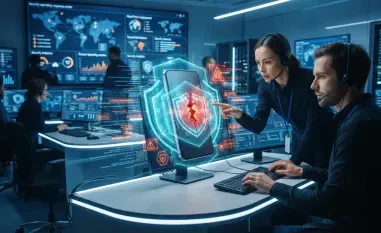
The Department of Defense is expanding its security requirements to include industrial control systems under the comprehensive Control Systems Security Requirements Guide framework. This shift highlights a critical realization that national infrastructure requires more than standard software patches; it demands a fundamental change in how operational technology is monitored and defended. In response, Lockheed Martin and Nozomi Networks established a strategic collaboration designed to modernize cybersecurity for government and defense entities. This initiative operates as an offset project linked to the procurement of F-35 aircraft, leveraging deep technical expertise to solve complex digital challenges. By integrating advanced artificial intelligence into the Nozomi platform, the partnership addressed the limitations of legacy security protocols. This modernization effort transformed manual, error-prone tasks into automated workflows, ensuring that defense organizations maintain visibility over their networks.
Streamlining Compliance for Industrial Control Systems
A significant portion of this alliance centers on the automation of Security Configuration Assessments, particularly those involving the Defense Information Systems Agency Security Technical Implementation Guide requirements. Historically, achieving STIG compliance for operational technology was a grueling process. Standard evaluation tools, primarily built for enterprise IT environments like laptops or servers, often caused crashes or operational lag when applied to sensitive engineering workstations or utility infrastructure. This forced many defense agencies to rely on labor-intensive manual validations and spreadsheets to prove their security posture. However, as the complexity of modern warfare increases, manual tracking methods are no longer sustainable. The collaboration addressed these friction points by deploying specialized software that understands industrial protocols, significantly reducing the window of vulnerability for mission-critical assets.
Implementing Advanced Sensors for Enhanced Visibility
To solve the visibility gap, the project implemented Nozomi Arc sensors, which are designed to capture detailed configuration data directly from host endpoints while utilizing passive network monitoring. This hybrid approach ensures that sensitive systems remain stable while providing a wealth of information to security administrators. All collected data is funneled into a central management interface, which is available both on-premises and via secure cloud environments. This centralized hub provides a comprehensive dashboard where teams monitor compliance trends, verify specific pass or fail evidence, and correlate security settings with real-time vulnerability metrics. The result is a repeatable and auditable documentation process that aligns with the Department of Defense Risk Management Framework requirements. By providing a single source of truth, the system allows commanders to make informed decisions based on the actual state of their digital defenses.
Expanding Protection to Legacy Defense Assets
The partnership identified several pathways to expand these capabilities, notably through the introduction of safe active polling for assets that cannot host traditional endpoint sensors. In many industrial environments, legacy hardware lacks the processing power to run background security agents, creating blind spots in the defensive perimeter. By utilizing non-intrusive polling techniques, the integrated platform now queries these older devices without risking a system failure. The objective of these ongoing developments is to build a truly holistic platform that manages operational technology, the Internet of Things, and standard information technology under one security umbrella. This convergence represents a major trend in the defense industry as the boundary between physical machinery and digital control continues to disappear. By streamlining these diverse environments, the collaboration effectively removed the technological silos that often prevent rapid response.
Achieving Long-Term Cybersecurity Resilience
Defense organizations successfully adopted these automated frameworks to bypass the administrative bottlenecks that once hindered the protection of critical infrastructure. Moving away from reactive security models, agencies implemented continuous monitoring solutions that provided real-time feedback on system health and compliance. To maintain this momentum, stakeholders prioritized the integration of AI-driven analytics to further refine threat detection and response times across multi-domain environments. The transition from manual governance to automated oversight proved that high-level procurement and practical resilience worked in tandem to secure national interests. It is recommended that defense contractors continue to invest in vendor-agnostic platforms that support diverse asset inventories. This proactive approach to industrial cybersecurity not only strengthened the resilience of current fleets but also established a scalable blueprint for defense programs.