Malik Haidar has built a career at the intersection of bits and bolts, navigating the high-stakes world of cybersecurity for multinational corporations. As a specialist who bridges the gap between digital intelligence and physical fortification, he understands that the most sophisticated firewall in the world is useless if an intruder can simply walk up to a server and plug in a thumb drive. His approach integrates business logic with rigorous security protocols, ensuring that critical infrastructure is protected not just from remote hackers, but from the tangible threats that exist within the four walls of a data center.
In this conversation, we explore the evolving landscape of cyber-physical security, specifically focusing on the critical role of key control in protecting the digital economy. We delve into how physical access serves as the “weak link” in modern security chains and how transforming traditional keys into trackable digital assets can mitigate both external and insider threats. The discussion also covers the unique challenges of colocation and edge computing, the importance of independent security layers during network failures, and how usage data from key cabinets can provide valuable operational insights for facility managers.
While digital defenses like firewalls receive significant investment, physical keys often secure the actual server racks and power panels. How does a breach of these physical components bypass traditional cybersecurity, and what specific steps should a facility take to integrate key management into a unified security strategy?
The reality is that once an attacker gains physical proximity to the hardware, the traditional digital “moat” of firewalls and encryption often evaporates. If a malicious actor bypasses the front door—perhaps through tailgating or a stolen credential—they can directly access storage devices, install spyware, or even physically disconnect monitoring systems that would otherwise alert the security team. We saw a devastating example of this in 2009 with the Heartland Payment Systems breach, where spyware was physically placed on systems to compromise millions of credit card transactions. To prevent this, a facility must treat every physical key as a high-level digital credential, integrating it into a unified strategy where the key cabinet acts as a final checkpoint. This involves extending access control beyond the building’s perimeter and down to the individual server racks, cooling units, and power distribution panels that keep the digital economy humming.
Physical keys cannot be revoked like digital credentials if they are lost or stolen. How do electronic key cabinets transition these physical objects into trackable digital assets, and what specific authentication methods are most effective for maintaining a strict audit trail?
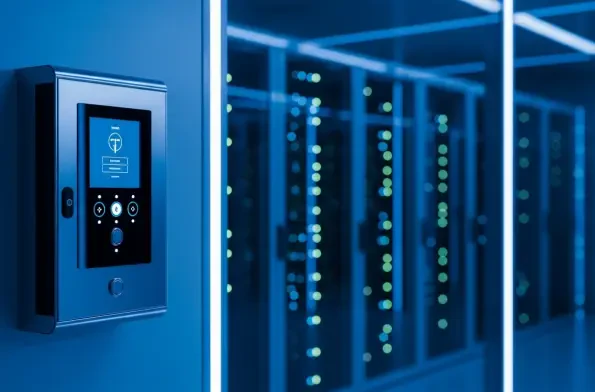
The traditional brass key is a silent liability, but electronic key management systems turn that vulnerability into a transparent, manageable asset. By housing keys in electronically locked cabinets, we force a digital handshake before any physical access is granted. Authorized users must authenticate using PIN codes, access cards, or biometric scans, which immediately creates a digital footprint of who is holding which key and at what exact time. This transformation allows security managers to monitor and audit physical movements with the same granularity they use for server logs. The most effective setup involves multi-factor authentication, ensuring that the person pulling the key for a sensitive backup generator or a security operations center is exactly who they claim to be, with every second of possession accounted for.
Colocation facilities house equipment for multiple organizations, creating complex layers of employee and vendor access. What are the primary risks when these facilities rely on manual sign-out sheets, and how can automated alerts for unreturned keys mitigate the threat of an insider attack?
In a colocation environment, the sheer volume of contractors, vendors, and various tenant employees creates a chaotic security theater if you’re relying on a pen-and-paper sign-out sheet. Manual logs are notoriously easy to falsify, difficult to search during an investigation, and offer zero protection against a key simply walking out the door at the end of a shift. This lack of accountability is a goldmine for insider threats, whether they are malicious actors looking to sabotage a competitor or an accidental lapse by a distracted technician. Automated systems solve this by setting pre-determined timeframes for key returns; if a key to a specific cage or infrastructure cabinet isn’t back in its slot, the system triggers an immediate alert to security personnel. This “active” monitoring ensures that a forgotten key doesn’t become a permanent security hole, forcing a culture of accountability that manual sheets can never achieve.
In light of historic breaches where spyware was physically installed on-site, how do independent networks for key cabinets protect assets during a broader system failure? How does this physical layer provide a fail-safe that remains functional even if the primary network is compromised?
One of the most robust features of modern key management is that these systems can operate on independent networks, essentially air-gapping the physical access layer from the primary corporate network. If a sophisticated cyber-attack cripples the main facility network or causes a total system failure, the keys to your critical infrastructure remain locked and secured within the cabinet. This prevents a scenario where a digital breach opens physical doors, or where a network outage leaves your most sensitive racks unguarded. Even in the middle of a digital crisis, the physical security layer remains an unyielding constant, ensuring that the “keys to the kingdom” are only accessible through localized, verified protocols. It provides a level of resilience that recognizes that while servers may be virtual, the cabinets they live in are very much grounded in the physical world and require a physical fail-safe.
Beyond basic security, usage data from key cabinets can reveal patterns in how infrastructure is accessed. How can operations teams use these metrics for capacity planning or staffing, and what specific trends should they look for to identify suspicious activity or operational inefficiencies?
The data generated by an electronic key cabinet is a treasure trove for operational intelligence that goes far beyond simple security logs. By analyzing which server racks or cooling units are accessed most frequently, operations teams can identify “hot spots” in the facility that may require more frequent maintenance or a reassessment of staffing levels during peak hours. For instance, if data shows that certain racks are accessed primarily after hours by third-party vendors, it might signal a need for better-aligned shift coverage or reveal that a specific piece of equipment is failing more often than reported. Managers should look for anomalies, such as a sudden spike in access to power distribution panels or a specific team accessing cages they don’t typically manage, which could be the first indicator of an insider threat or an impending technical failure. This metrics-driven approach allows for smarter capacity planning, ensuring that human resources are deployed where the physical activity is actually happening.
Edge computing and unmanned facilities present unique challenges since security personnel are not always present. How does centralized, remote management of key cabinets allow for real-time oversight, and what protocols should be triggered if a cabinet is accessed at a remote site after hours?
As infrastructure moves to the edge, the luxury of having a security guard at every door disappears, making centralized remote management an absolute necessity for unmanned sites. Centralized systems allow a small, expert security team to oversee physical access across dozens of remote locations from a single dashboard, modifying permissions on the fly as technician schedules change. If a key cabinet at a remote edge facility is accessed after hours or without a prior service ticket, the protocol should involve an immediate automated alert to the central hub, followed by a secondary verification step, such as checking remote camera feeds. We can even program the system to deny access entirely during certain windows unless a supervisor provides a remote override. This real-time oversight ensures that distance doesn’t equate to a lack of control, keeping even the most isolated networking gear as secure as the main data center.
Compliance standards often emphasize the need for documented physical controls over information systems. How does an automated key control system simplify the process of meeting these regulatory requirements, and what specific documentation is most critical during a security audit?
Meeting compliance standards like those set by the National Institute of Standards and Technology (NIST) can be an administrative nightmare if you are trying to piece together manual logs and badge swipe data. Automated key control systems simplify this by providing “audit-ready” reports that document every single interaction with the facility’s physical infrastructure at the touch of a button. During a security audit, the most critical documentation is the chain of custody for keys that access information systems—showing exactly who had the key, how long they had it, and whether their access was authorized by a specific policy. These systems provide a level of visibility and verifiable truth that builds immense trust with customers and regulators. Instead of hoping your paper logs are accurate, you can present a definitive, timestamped history of every physical touchpoint in your facility, which is the gold standard for proving accountability.
What is your forecast for data center cyber-physical security?
I believe we are entering an era where the distinction between “cyber” and “physical” security will completely vanish, giving way to a truly unified “cyber-physical” strategy where every hardware interaction is treated with the same scrutiny as a login attempt. As edge computing and distributed infrastructure continue to grow, I forecast a shift toward autonomous security environments where key cabinets, surveillance cameras, and network monitoring tools communicate in real-time to lock down facilities automatically when a threat is detected. We will see an increased reliance on biometric integration and AI-driven behavior analytics to spot “out-of-character” physical movements before a breach can even occur. Ultimately, the industry will move away from reactive security toward a proactive model where the physical key is no longer just a piece of metal, but a sophisticated, trackable sensor that sits at the very heart of the data center’s defense-in-depth architecture.