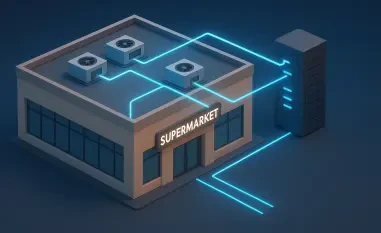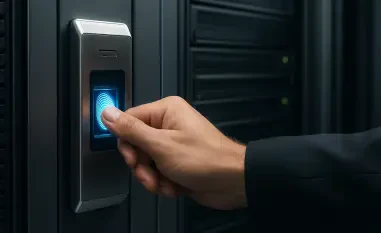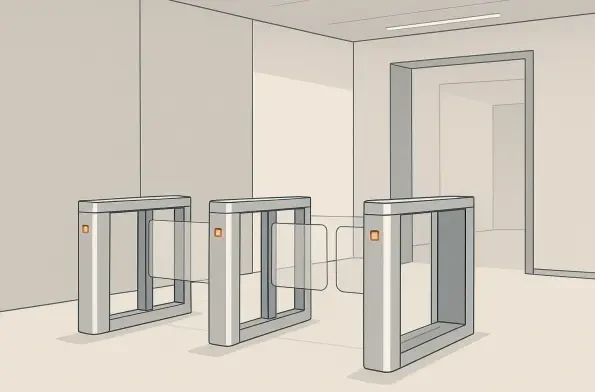
Interoperability has shifted from a luxury feature to a fundamental requirement for any facility aiming to achieve a resilient security posture. In the current landscape of 2026, the traditional image of a turnstile as a mere physical deterrent has faded, replaced by its role as a sophisticated data node within a broader digital ecosystem. These entrance points now serve as the first point of contact for building intelligence, capturing vital information that informs everything from energy usage to space optimization. This evolution reflects a broader trend where mechanical hardware must function as a seamless extension of a network. Organizations are moving away from isolated installations that once operated in silos, recognizing that a truly “smart” building requires every component to speak the same language. The transition from basic traffic management to high-level system integration marks a significant milestone in how corporate and public spaces are designed and secured today.
The Strategic Shift: Moving Beyond Physical Barriers
As of 2026, the integration of entrance control systems into the wider Internet of Things framework has fundamentally redefined the parameters of facility management. Rather than existing as standalone equipment, modern speed gates and barriers are now treated as network-active devices that provide real-time occupancy data. This shift allows security personnel and building managers to move from a reactive stance to a proactive one. By leveraging sensors and advanced software, these systems contribute to a granular understanding of how people move through a space. This data proves invaluable for optimizing heating, ventilation, and air conditioning systems, as well as for scheduling maintenance based on actual usage patterns rather than arbitrary timelines. The ability of these physical barriers to transmit information across a unified management platform has transformed them from simple gatekeepers into essential tools for operational efficiency.
The demand for a unified security posture has intensified as organizations seek to consolidate multiple functions into a single pane of glass. This involves blending traditional access control with modern visitor management, elevator dispatch, and biometric authentication protocols. When entrance control systems operate on open standards, they facilitate this convergence without the friction associated with legacy software. The goal is to create a frictionless environment where a tenant or guest can move from the lobby to their designated floor using a single digital credential. Such a streamlined experience not only improves security by reducing the potential for human error but also enhances the overall perception of the building as a premium facility. Consequently, the selection of entrance control hardware is no longer just a task for the security department; it has become a strategic decision involving information technology, human resources, and facilities teams alike.
The Hidden Costs: Analyzing the Pitfalls of Closed-Loop Systems
Historically, many facilities were burdened by proprietary or closed-loop systems that restricted hardware to a specific manufacturer’s software environment. While these “black box” solutions were often marketed as highly secure due to their opaque nature, they frequently led to significant technical debt. In 2026, the industry has widely recognized that such rigidity creates a precarious dependency on a single vendor. If a manufacturer discontinues a product line or fails to provide timely security patches, the building owner is left with an obsolete system that cannot be easily updated. This vendor lock-in prevents the adoption of newer, more efficient technologies, as any modification requires a total overhaul of the existing infrastructure. The inability to integrate third-party components means that facility managers are often forced to accept subpar performance or inflated service costs simply because they have no other viable options within their current ecosystem.
Beyond the initial hardware investment, closed systems introduce substantial long-term financial risks related to maintenance and system expansion. When a facility is tied to a specific provider, competitive bidding for service contracts becomes impossible, often resulting in higher operational expenditures over the equipment’s lifecycle. Furthermore, the technical limitations of proprietary communication protocols often hinder the deployment of innovative features like mobile-first credentials or facial recognition scanners. Replacing an entire fleet of speed gates because the software cannot accommodate a new reader is a costly and disruptive prospect that many organizations aim to avoid. This lack of adaptability essentially shortens the lifespan of the security installation, forcing a capital expenditure that could have been deferred or reduced with a more flexible approach. Avoiding these pitfalls requires a deliberate move toward architectures that prioritize openness and long-term compatibility.
Open-Protocol Architecture: Enhancing Operational Flexibility
Open-protocol architecture serves as a robust alternative to proprietary systems by utilizing standardized communication methods such as OSDP or comprehensive RESTful APIs. These standards ensure that entrance control hardware can communicate fluently with various access control platforms, regardless of the brand. This level of interoperability provides building owners with vendor neutrality, allowing them to mix and match the best-in-class components for their specific needs. For example, a facility can utilize high-performance speed gates from one manufacturer while implementing biometric readers from another and a cloud-based management system from a third party. This modularity ensures that the security system remains agile, capable of evolving as new threats or technological opportunities arise. By stripping away the layers of proprietary secrecy, open protocols empower facility managers to maintain control over their own infrastructure rather than being beholden to a single supplier’s roadmap.
The implementation of open standards also fosters a more competitive and healthy marketplace for service and upgrades. When hardware is based on well-documented protocols, a wider range of security integrators can perform maintenance, troubleshooting, and software integration. This competition drives down costs and ensures that building managers receive high-quality support from a variety of potential partners. Additionally, open systems are inherently more scalable; as an organization grows or its security requirements change, new modules can be added without needing to replace the core infrastructure. This sustainability is a key consideration for modern developments, as it minimizes electronic waste and maximizes the return on initial investments. The shift toward standardized communication is thus not merely a technical preference but a strategic business move that ensures long-term resilience. The ability to swap out specific components while keeping the main structural elements intact provides a level of future-proofing.
Design Synergy: Merging Aesthetics with Functional Security
In the modern corporate landscape, the concept of security by design has moved to the forefront of architectural planning. Entrance control systems are no longer treated as an afterthought or a “bolt-on” feature but are integrated into the interior design from the earliest stages of a project. This ensures that speed gates and barriers complement the building’s aesthetic through the use of premium materials like stainless steel, tempered glass, and custom stone finishes. In high-end environments such as luxury hotels or prestigious law firms, the security hardware must blend seamlessly with the lobby’s architectural lines to avoid creating a hostile or overly clinical atmosphere. By working closely with architects, security manufacturers can now offer bespoke solutions that maintain high levels of protection while enhancing the visual identity of a space. This fusion of form and function proves that a secure environment does not have to sacrifice beauty or sophisticated design.
Effective entrance control must also prioritize the user experience, ensuring that high pedestrian throughput does not come at the cost of convenience or accessibility. Modern systems are designed to be intuitive, providing clear visual and audible cues that guide employees and visitors through the gates without confusion. During peak morning hours, the efficiency of these systems is critical for preventing bottlenecks that can lead to frustration and decreased productivity. Furthermore, inclusive design practices have become standard, ensuring that security measures are accessible to all individuals, including those with mobility challenges. By utilizing low-profile sensors and wider lane configurations, entrance control solutions can provide a welcoming experience that respects the dignity of every user. This focus on the human element ensures that the security infrastructure is viewed as a helpful tool rather than a barrier, fostering a positive perception of the building’s management and its commitment to safety.
Sustainable Innovation: Future-Proofing Through Technological Convergence
The long-term value of adopting an open-protocol strategy is most evident in the ability to integrate cutting-edge analytics and predictive maintenance tools. By 2026, many organizations have moved toward data-driven maintenance models where sensors within the entrance control hardware monitor mechanical wear and tear in real-time. This information allows managers to address potential failures before they lead to downtime, extending the total operational life of the equipment and reducing emergency repair costs. Furthermore, the convergence of entrance control with artificial intelligence enables more sophisticated threat detection, such as identifying tailgating incidents or unusual behavior patterns with higher accuracy. Because the underlying architecture is open, these AI modules can be updated or replaced as software improves, ensuring the building stays at the forefront of security technology. This adaptability is essential in a fast-paced environment where threats and operational requirements are constantly evolving.
The transition toward open-protocol entrance control represented a fundamental change in how the security industry approached facility management. Decision-makers increasingly prioritized interoperability and flexibility over the perceived simplicity of closed systems, recognizing the immense value of a modular infrastructure. This shift allowed organizations to build more resilient and adaptable environments that grew alongside their business needs while maintaining a high level of aesthetic integrity. To capitalize on these advancements, facilities should begin by auditing their current security frameworks to identify proprietary bottlenecks that may hinder future growth. Investing in hardware that supports OSDP and provides open API access should be the standard for any new procurement process. By focusing on systems that offer long-term compatibility and vendor neutrality, building owners can ensure that their security posture remains both robust and cost-effective. The move to open standards is no longer just a trend; it is the definitive path toward a smarter building.