The traditional boundary between digital information protection and the physical safety of tangible organizational resources has dissolved into a single, cohesive operational reality. In 2026, the security landscape is no longer defined by the strength of a padlock or the height of a fence. Instead, the focus has shifted toward a sophisticated orchestration of hardware and software that creates a living, breathing ecosystem of protection. This transition marks the end of isolated security silos and the beginning of a unified approach where every physical asset is a node in a broader digital network.
The curb-to-core philosophy has become the benchmark for modern enterprise protection, ensuring that security protocols extend from the outermost perimeter to the most sensitive internal assets. Hardware-centric models that once relied on manual oversight are now secondary to software-driven environments. This change allows organizations to manage access rights, monitor movement, and secure equipment through a centralized platform. The move toward open-platform interoperability ensures that different technologies can communicate, effectively turning a simple door reader into a data-gathering tool that informs the entire management strategy.
Intelligent orchestration is now the standard requirement for any large-scale operation. The integration of Internet of Things devices and cloud computing has transformed reactive monitoring into a predictive science. Security teams no longer wait for a breach to occur; they utilize real-time data to identify vulnerabilities and adjust permissions instantly. Leading market players are driving this shift by offering solutions that are both scalable and modular, allowing businesses to expand their security footprint without replacing existing infrastructure.
Trends and Projections in Unified Asset Oversight
Emerging Technologies and the Rise of Data-Driven Security
Software-defined perimeters are redefining how organizations conceptualize space and access. By utilizing REST APIs, developers can bridge the gap between disparate systems, allowing a single credential to unlock a parking gate, a laboratory door, and a high-value equipment locker. This connectivity ensures that every interaction is logged and analyzed, providing a depth of visibility that was previously impossible. The rise of these interconnected frameworks has made the manual tracking of physical keys and mobile assets an obsolete practice.
The current demand for a single-pane-of-glass management interface reflects a shift in corporate priorities. Administrators now expect to oversee global operations from a unified dashboard that displays real-time alerts and system health metrics. This transition from manual tracking to automated visibility has reduced the margin for human error, ensuring that assets are always accounted for. As consumer behaviors continue to influence corporate tech expectations, the push for intuitive, mobile-responsive security interfaces has accelerated.
Market Growth and the Economic Impact of Integration
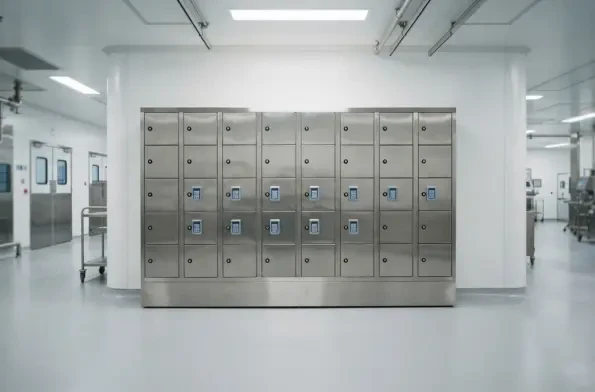
The adoption of integrated access control and intelligent asset management solutions is experiencing a sharp upward trajectory in 2026. Data indicates that organizations moving to these unified models have seen a significant reduction in administrative overhead, as automated workflows replace time-consuming manual entry. Furthermore, the rate of asset loss has plummeted in sectors that employ intelligent lockers and key cabinets, as the accountability provided by these systems discourages negligence and internal theft.
Projections for the next decade suggest that the smart locker and automated key management markets will continue to expand from 2026 to 2035. This growth is driven by the increasing need for secure, contactless exchanges in both the private and public sectors. Performance indicators suggest that the return on investment for these systems is realized more quickly than in the past, thanks to lower maintenance costs and the ability to prevent high-value equipment shrinkage. The economic impact of this integration is profound, turning security from a cost center into a driver of operational efficiency.
Navigating the Complexity of System Interoperability
Merging legacy hardware with modern cloud-based software platforms presents a unique set of technical hurdles. Many organizations still rely on older mechanical or offline electronic locks that do not natively communicate with a central server. Bridging this gap requires specialized controllers and gateways that can translate legacy signals into actionable data. Without a clear strategy for this translation, the benefits of a unified system remain out of reach, leaving security teams to manage fragmented and inconsistent data sets.
The friction caused by disconnected management silos often manifests as swivel-chair operations, where staff must jump between multiple programs to perform a single task. For instance, revoking an employee’s access might require updates in an HR database, a door control system, and a separate key management tool. This lack of synchronization creates dangerous security gaps and frustrates personnel. Overcoming this internal resistance to digital transformation requires a commitment to standardizing protocols and prioritizing systems that offer deep, native integration.
Maintaining system uptime and data synchronization across geographically distributed campuses remains a primary concern for global enterprises. When a network connection fluctuates, edge devices must be capable of autonomous operation while ensuring that all data is cached for later synchronization. Strategies for resilience include redundant server configurations and the use of edge computing to process security logic locally. These solutions ensure that even during a network outage, the integrity of the asset management system remains uncompromised.
Governance, Compliance, and Data Security Standards
The regulatory landscape has become increasingly complex as data privacy laws like GDPR and CCPA now intersect with physical security data. Every time a person accesses a smart locker or checks out a vehicle, personal data is generated and stored. Compliance requires that this information be protected with the same rigor as financial or medical records. Integrated systems must be designed with privacy-by-design principles, ensuring that data is encrypted both at rest and in transit.
Audit trails and automated reporting have become indispensable for meeting the requirements of highly regulated sectors such as healthcare, aerospace, and defense. These industries demand a granular record of who touched what asset and at what precise moment. Integrated platforms streamline this documentation, allowing administrators to generate comprehensive reports with a single click. This level of transparency not only satisfies auditors but also reinforces a culture of accountability within the organization.
The impact of cybersecurity protocols on physical security hardware cannot be overstated. As cameras and key cabinets become network-attached devices, they also become potential entry points for hackers. Manufacturers are now prioritizing hardened firmware and regular security patches to prevent network vulnerabilities. Ensuring that physical security hardware meets modern cybersecurity standards is a critical step in protecting the broader enterprise network from lateral movement during a cyberattack.
The Future Landscape: Intelligent Automation and Proactive Protection
The potential for artificial intelligence and machine learning to revolutionize security is being realized through the identification of abnormal patterns. By analyzing thousands of hours of access data, these systems can flag a user attempting to access a high-value asset at an unusual time or location. This shift allows the security environment to move toward a self-healing state, where the system can automatically restrict access or initiate an investigation before an actual incident occurs.
Event streams and webhooks are creating a more responsive security posture by allowing different platforms to trigger actions in real-time. For example, a fire alarm signal could automatically unlock specific asset lockers containing emergency medical equipment while simultaneously locking down sensitive data rooms. This level of automated coordination ensures a rapid and accurate response to evolving threats, minimizing the reliance on human intervention during high-stress scenarios.
Mobile-first credentials and biometric integration represent the next frontier for asset access. The reliance on physical cards is fading as smartphones and facial recognition offer more secure and convenient ways to verify identity. These technologies are particularly valuable in high-turnover environments where managing physical badges is a constant burden. As these solutions become more accessible, the barriers to implementing high-security asset management will continue to drop.
A Strategic Vision for Integrated Enterprise Resilience
The transition toward a unified security posture represented a fundamental shift in how organizations protected their most valuable resources. By breaking down the walls between access control and asset management, stakeholders created a synergistic environment that favored proactive prevention over reactive correction. This integration was not merely a technological upgrade; it was a strategic reimagining of organizational resilience. The synergy achieved through these systems allowed for a more fluid movement of personnel while maintaining an uncompromising level of oversight.
Stakeholders who prioritized scalability and interoperability in their long-term infrastructure planning found themselves better equipped to handle the rapid changes in the global economic climate. They recognized that the value of integration extended beyond simple theft prevention and into the realm of business continuity. The ability to monitor assets across multiple continents from a single location provided a level of operational agility that was previously impossible. This forward-thinking approach ensured that security investments remained relevant and effective as new challenges emerged.
The ultimate value of this integration resided in its ability to protect people, property, and organizational integrity simultaneously. The shift toward software-led security strategies allowed for a more nuanced understanding of risk, transforming security from a passive barrier into an active participant in business success. Organizations that embraced these changes successfully moved away from fragmented, hardware-heavy models. This transformation ensured that the security department was no longer a silo, but a vital contributor to the overall health and safety of the enterprise.