Integrating clinicians into the design phase of security systems ensures that authentication protocols meet the practical needs of a busy and unpredictable hospital ward. In the current landscape of 2026, healthcare facilities face an unprecedented surge in identity-based cyberattacks, which have become the primary method for breaching sensitive patient data. Unlike standard financial information, medical records carry an immense value on the black market due to their immutable nature, containing life histories that can be exploited for insurance fraud and long-term identity theft. This vulnerability is compounded by the fact that traditional security measures often prioritize technical rigidity over clinical agility. As a result, the industry is witnessing a strategic shift away from mere digitization toward a model focused on frontline productivity. This evolution recognizes that for technology to be truly effective in a medical context, it must provide seamless protection that does not compromise the speed or quality of care provided to patients in critical need.
Addressing the Vulnerabilities of Traditional Authentication
Clinical Realities: Navigating Security Friction
Traditional authentication methods often clash with the physical realities of the modern clinical environment, where seconds matter and physical barriers are common. Clinicians frequently operate in sterile zones while wearing extensive personal protective equipment, such as heavy gloves and face masks, which makes the manual entry of complex passwords a tedious and error-prone process. Furthermore, standard biometric sensors often fail to recognize fingerprints through latex or facial features behind medical-grade respirators. This physical friction creates a significant operational bottleneck, leading many healthcare workers to seek informal workarounds just to maintain the flow of patient care. In many instances, staff members have resorted to sharing login credentials or leaving shared workstations logged into generic accounts. While these actions were born from a desire to remain efficient during emergencies, they effectively dismantled the organization’s security posture and eliminated any possibility of a reliable audit trail, leaving the facility open to catastrophic leaks.
Cognitive Overload: The Mental Cost of Passwords
Beyond the physical obstacles, the cognitive load imposed by modern cybersecurity requirements places an immense burden on an already overextended workforce. Forcing a nurse or physician to memorize and rotate several sixteen-character passwords while managing life-saving treatments leads to significant mental fatigue and workflow disruption. Frequent multi-factor authentication prompts, especially those requiring a separate mobile device, are often viewed by staff as invasive hurdles rather than essential safeguards. When security feels like an adversary to the mission of healing, the likelihood of human error or intentional bypass increases dramatically. To mitigate these risks, the design of authentication systems must account for the high-stress nature of the hospital floor, ensuring that security protocols are intuitive and low-touch. By acknowledging the human factors involved in clinical workflows, healthcare administrators can transition toward security models that support rather than stifle the primary objective of providing rapid and accurate medical intervention for every patient.
Bridging the Gap Between Security and Speed
Clinical Enablers: Identity as a Tool for Care
The transition from a focus on digitization to a focus on frontline productivity marks a significant maturation in healthcare technology management. In this updated paradigm, digital identity is no longer treated as a gatekeeper but as a vital clinical enabler that facilitates immediate access to electronic health records and diagnostic tools. By streamlining the way users interact with digital systems, organizations can drastically reduce the time lost to administrative friction, allowing clinicians to dedicate more focus to direct patient interaction. This shift also provides a substantial relief to IT helpdesks, which are historically burdened by a constant stream of password-reset requests and account lockout issues. When the reliance on typed secrets is removed, the frequency of these support tickets drops, freeing up technical resources to focus on high-level infrastructure improvements and proactive threat hunting. Ultimately, a productivity-first approach ensures that the digital tools intended to modernize healthcare do not inadvertently become the very obstacles that hinder it.
Maturity Pathways: Moving Beyond Legacy Systems
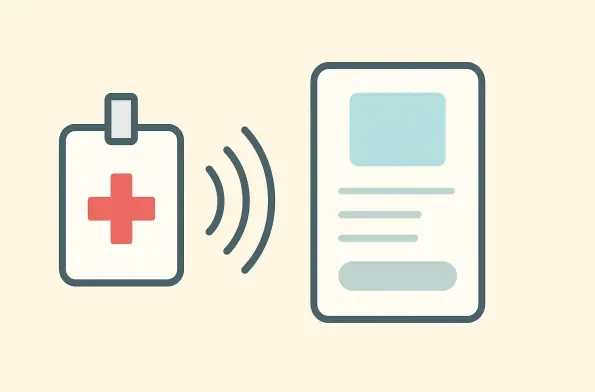
Establishing a clear maturity pathway is essential for hospitals looking to move away from legacy username-and-password systems toward a more resilient architecture. The current gold standard involves a “tap-and-go” approach, utilizing proximity badges or smart cards that allow for near-instant authentication across various shared devices and mobile terminals. This method provides a high level of identity assurance by requiring a physical token while simultaneously removing the need for manual input, which is particularly beneficial in fast-paced environments like the emergency department. Additionally, the integration of adaptive biometrics that can function despite clinical gear represents the next step in this evolution. These systems ensure that access is granted only to verified personnel while maintaining a frictionless user experience. By adopting such modern frameworks, healthcare organizations can achieve a balance where robust data protection is seamlessly woven into the fabric of daily medical operations, ensuring that the right information reaches the right hands.
Implementing Advanced Identity Management
Adaptive Authentication: Contextual Security Layers
Modern identity platforms have evolved to incorporate sophisticated defensive layers that go far beyond simple login checks, utilizing contextual and adaptive authentication to enhance safety. These systems analyze a variety of risk factors in real-time, such as the time of day, the geographical location of the access attempt, and the specific device being used. If the system detects behavior that deviates from a user’s established pattern, it can automatically trigger additional verification steps without bothering the user during routine, low-risk activities. This intelligent automation allows hospitals to maintain a high security baseline while keeping the authentication process largely invisible to the frontline staff. For example, a clinician moving between standard workstations in a secure ward might only need a simple badge tap, whereas a remote login from an unrecognized network would require a more rigorous check. This dynamic approach ensures that the level of security always matches the level of risk, protecting sensitive patient data from unauthorized access.
Threat Response: Defending Against AI-Driven Attacks
As the threat landscape continues to change, the rise of artificial intelligence has introduced new challenges, including the use of deepfakes and sophisticated social engineering tactics. Malicious actors are now capable of cloning voices and creating realistic digital personas to bypass traditional identity verification methods. To counter these advanced threats, next-generation healthcare security must integrate Identity Detection and Threat Response mechanisms that focus on continuous behavioral monitoring rather than a single point of entry. By implementing VPN-less access models and zero-trust architectures, organizations can ensure that every request for data is thoroughly vetted regardless of the user’s location. This holistic strategy involves analyzing user behavior throughout a session to identify anomalies that might suggest a compromised account. By prioritizing behavioral integrity over static credentials, healthcare facilities can build a proactive defense system that anticipates and neutralizes threats in real-time, safeguarding both institutional reputation and patient privacy.
Cultivating a Culture of Secure Productivity
Human Factors: Designing for the Frontline
The successful implementation of passwordless technology is as much about cultural change management as it is about technical deployment. Security measures must be meticulously tailored to fit the existing clinical workflow, rather than forcing medical professionals to alter their life-saving routines to accommodate rigid IT protocols. Engaging clinicians directly during the design and testing phases ensures that the resulting tools are practical, reliable, and welcomed by the people who use them most. When healthcare staff see that a new security system actually saves them time and reduces their daily frustrations, adoption rates soar and the reliance on insecure workarounds disappears. This collaborative approach fosters a culture of shared responsibility, where security is viewed as a foundational element of patient safety rather than a separate administrative burden. Through clear communication, comprehensive training, and a focus on user experience, organizations can ensure that their technological investments translate into tangible improvements in clinical outcomes.
Strategic Synthesis: Safeguarding Future Healthcare Delivery
The industry recognized that treating digital identity as a cornerstone of patient safety was a mandatory evolution for all modern healthcare providers. The traditional era of the password reached its conclusion, as it no longer offered the necessary protection or the required speed for high-stakes environments. The shift toward an adaptive, passwordless framework represented a critical turning point in how facilities protected their most sensitive data while empowering their workforce to perform at their highest potential. Looking ahead, the focus remained on the continuous refinement of these systems to stay ahead of emerging threats and evolving medical needs. The integration of advanced identity management strategies proved to be a decisive factor in maintaining institutional resilience and public trust. By prioritizing secure productivity, the healthcare sector successfully navigated the complexities of the digital landscape, ensuring that technology served as a robust shield for both the patients and the providers who cared for them in an increasingly connected world.