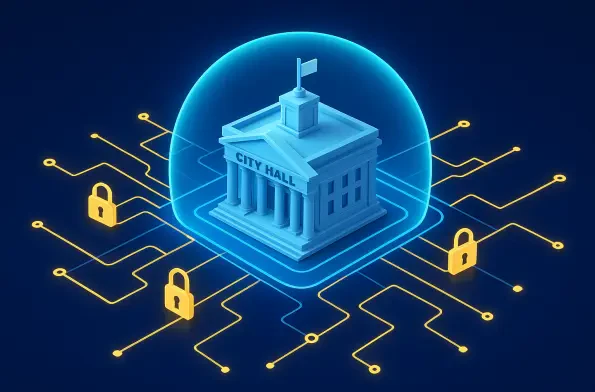
The fallout from the Rhysida group’s breach of Berlin’s digital infrastructure signals a definitive end to the age where simple data encryption was the primary goal of cybercriminals. In this new landscape, the locking of files has become a secondary concern compared to the strategic weaponization of stolen data. This shift defines the double extortion model, where threat actors use the threat of public disclosure to bypass traditional backup strategies. The Berlin incident serves as a stark warning to public sector entities that their information is now an asset for the highest bidder on dark web marketplaces.
By refusing to pay the ransom, the city of Berlin took a stand that highlighted the limits of traditional security thinking. This refusal forced the threat actors to follow through on their promise, eventually listing 5.6 terabytes of sensitive data for sale. Such events underscore the reality that modern cyber defense must account for the long-term consequences of data exposure rather than just the immediate need for system uptime.
The Paradigm Shift in Ransomware: From File Locking to Data Weaponization
The transition from encryption-centric attacks to double extortion models used by groups like Rhysida represents a fundamental change in criminal philosophy. Historically, ransomware was a temporary inconvenience that could be solved by restoring from offline backups. However, the industrialization of data exfiltration means that once information leaves a network, it becomes a permanent liability that backups cannot rectify.
This breach significantly impacted Berlin’s public sector infrastructure, revealing vulnerabilities that extend far beyond technical glitches. Criminal affiliates now operate with corporate-level efficiency, specifically targeting government credentials to facilitate secondary attacks. This sophisticated approach mimics state-sponsored tactics, requiring private and public sector security requirements to converge around proactive defense and data sovereignty.
Mapping the Evolution of Digital Extortion and Its Economic Impact
Emerging Tactics: The Rise of Exfiltration-First Cybercrime
Criminal strategies have transitioned to an exfiltration-first approach, where the public sale of datasets becomes the primary leverage. In the Berlin case, the auctioning of credentials and over 46,500 contracts provided a foundation for future exploitation. This strategy ensures that even if a ransom is never paid, the attackers can still monetize the breach through secondary markets or by facilitating Business Email Compromise.
The fragmentation of ransomware groups further complicates this landscape, as stolen data often persists even after an initial threat group is contained. When information is dispersed among various affiliates, the risk of leaks remains a constant threat to organizational stability. Agencies must now assume that any data accessed during a breach is permanently compromised and act accordingly to protect their partners.
Data Projections: The Growing Cost of Government Sector Breaches
Performance indicators for the public sector suggest that the financial fallout from data exposure is eclipsing the cost of technical recovery. From 2026 to 2028, government agencies are projected to face a sharp increase in high-stakes extortion attempts. This trend is driven by the realization that municipal and federal records hold immense value for both financial gain and political interference.
Long-term financial fallout now includes not just recovery costs but also massive investments in identity protection and forensic audits. Forecasts indicate that the frequency of these attacks will rise as criminal groups refine their automation tools for data theft. Consequently, the cost of data exposure is becoming a fixed operational risk that requires a significant shift in fiscal planning for municipal security.
Navigating the Complexities of Incident Response and Data Leakage
Securing legacy government systems against modern extortion tactics remains a critical challenge for administrators. Many networks were built on architecture that lacked the native security protocols necessary to stop rapid lateral movement. The Berlin case teaches us that managing compromised credentials must be a priority, as these details often serve as the entry points for future targeted phishing campaigns against state contractors.
Developing organizational resilience requires balancing the need for service continuity with the rigorous demands of forensic segmentation. Restoration is no longer sufficient to mitigate the threat of public exposure; agencies must be able to isolate breached segments while keeping critical services running. This multi-layered response ensures that a single point of failure does not lead to a total loss of public trust or operational capability.
The Regulatory Response and the Global Stance Against Ransom Payments
Berlin’s refusal to meet ransom demands aligns with a growing international policy to de-incentivize the cybercrime economy. This stance is supported by rigorous data governance regulations that prioritize security transparency and incident reporting. By refusing to pay, the government adheres to a strategy that aims to break the cycle of funding for decentralized criminal syndicates.
Such policy shifts are also driving the creation of more stringent compliance frameworks that act as a roadmap for hardening infrastructure. These mandates force institutions to adopt better data handling practices, which act as a deterrent to extortion. As more governments adopt this hardline stance, the legal ramifications of data leaks are becoming a central focus for public sector leadership.
The Future of Cyber Resilience: Moving Beyond Traditional Recovery
The integration of AI-driven threat detection is essential for combating the speed at which modern groups exfiltrate data. These automated systems can identify and stop lateral movement before an attacker reaches the most sensitive nodes of a network. This technological evolution marks a shift toward Zero Trust architectures, where every user and device must be continuously verified.
Predicting the evolution of Ransomware-as-a-Service models allows defensive teams to stay ahead of new criminal tactics. Global cooperation and the sharing of threat intelligence are the primary tools for neutralizing decentralized criminal networks. Staying resilient in this era means evolving as quickly as the attackers, ensuring that public infrastructure remains a digital fortress against weaponized data.
Strengthening the Digital Fortress: Lessons from the Berlin Incident
The Rhysida attack demonstrated that the only viable path forward was a complete refusal to negotiate with extortionists. This incident proved that prioritizing forensic rigor and data governance was more effective than seeking a quick fix through payment. Public and private organizations recognized that resilience required a fundamental shift toward protecting data at the point of origin. By focusing on Zero Trust and network segmentation, the industry moved toward a posture that anticipated exposure as a baseline risk.
Ultimately, the lessons from Berlin provided a blueprint for managing the transition from simple recovery to total resilience. Government bodies and corporations integrated automated response protocols to combat the speed of modern exfiltration. This proactive stance ensured that even when systems were targeted, the resulting damage was contained and manageable. The era of double extortion forced a cultural change, making the protection of information assets the core of every technological strategy.