The convergence of digital and physical risk means that a breach in an operational technology environment can now result in the mechanical failure of heavy machinery and pumps. The contemporary cybersecurity environment is undergoing a fundamental and dangerous transformation as the focus shifts from simple data theft to the direct manipulation of physical infrastructure. This evolution is primarily driven by the integration of Artificial Intelligence into hacking workflows and the rapid weaponization of software vulnerabilities by both criminal syndicates and state-sponsored actors. Recent reports from global intelligence agencies highlight a unified trend where the window for defensive response is collapsing as automation allows attackers to strike critical systems with unprecedented speed and precision. In this climate, the line between a digital disruption and a kinetic event has blurred almost entirely, necessitating a shift in defensive strategy that addresses the physical consequences of digital failures.
The Democratization of Sophisticated Cyberattacks
The advent of AI-generated scripts has effectively democratized high-level cyberattacks, allowing individuals with limited technical expertise to target complex industrial control systems. Previously, compromising industrial equipment required deep knowledge of proprietary hardware and engineering protocols, but today’s AI tools can process technical documentation to generate functional exploit scripts. These automated tools are now being used to identify entry points in internet-exposed hardware and develop sophisticated phishing campaigns tailored to specific industrial environments. This shift means that a threat actor who possesses basic scripting knowledge can now execute a campaign that once required a well-funded nation-state laboratory. By feeding Large Language Models technical specifications and existing vulnerability data, attackers can bypass the months of manual research traditionally needed to find a flaw. Consequently, the volume of high-quality threats has surged across all sectors.
Lowering Technical Barriers Through AI Automation
Beyond initial intrusions, AI is being leveraged to create tools that masquerade as legitimate monitoring solutions, allowing malicious actors to maintain a persistent presence within a network. By mimicking standard administrative traffic, these AI-assisted programs can bypass traditional security filters and evade human detection for extended periods. This capability enables attackers to conduct long-term reconnaissance and prepare for large-scale disruptions without alerting the target organization’s security team. These adaptive scripts learn from the environment they inhabit, adjusting their behavior to match the specific timing and volume of the local network’s data flow. This makes them incredibly resilient against heuristic-based detection systems that look for anomalies. As these tools become more refined, the time-to-detection for a standard breach has increased, giving adversaries ample time to map out every critical node before launching a final, devastating blow to the target infrastructure.
Acceleration of the Modern Ransomware Lifecycle
In the realm of cybercrime, the Medusa ransomware group exemplifies the trend of “one-day weaponization,” where public vulnerabilities are exploited within 24 hours of disclosure. By moving to an affiliate-based model, such groups have scaled their operations to target hundreds of victims across the healthcare and education sectors. This rapid turnaround leaves defenders with almost no time to test and apply security patches before an active intrusion occurs. The efficiency of this process is bolstered by AI scanning tools that automatically seek out newly disclosed vulnerabilities across the global IP space. Once a flaw is identified, automated deployment systems can deliver the ransomware payload to thousands of targets simultaneously, effectively saturating the response capabilities of security firms. This industrial-scale approach ensures that even low-level affiliates can participate in highly profitable campaigns that were once the sole domain of elite cybercriminal organizations.
The Physical Risks to Critical Infrastructure
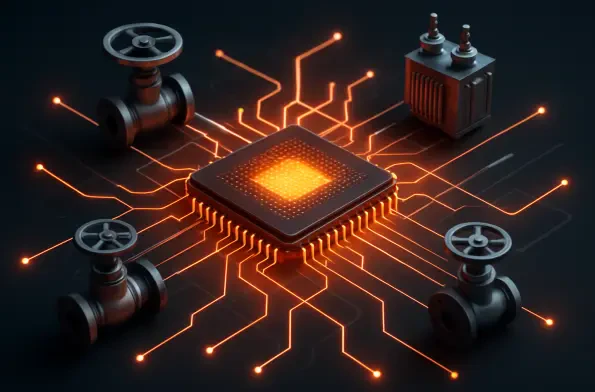
The targets of these modern AI-powered campaigns are no longer just digital databases but the “brains” of physical infrastructure, including power grids and water treatment facilities. In operational technology environments, a breach can lead to the physical malfunction of heavy machinery or the shutdown of essential services, posing a direct threat to public safety. This shift from digital to physical risk represents a significant escalation in the potential impact of global cyber warfare. For instance, the manipulation of a municipal water treatment plant’s chemical balance or the sudden surge of a power transformer can cause irreversible damage and endanger lives. Attackers are prioritizing these high-stakes environments because the pressure to pay a ransom or concede to political demands is significantly higher when public services are held hostage. The integration of automated discovery tools has allowed these groups to scan global networks for controllers mistakenly connected to the internet.
Vulnerabilities in Operational Technology Systems
A major hurdle in securing these systems is the “legacy gap,” where aging industrial hardware remains in use decades after its installation. These systems were often designed before modern security standards existed, making them difficult to patch or upgrade without causing significant operational downtime. When these outdated controllers are exposed to the internet, they provide an open door for attackers to manipulate real-world processes through the vulnerabilities of Siemens PLCs and similar hardware. Operators often face the difficult choice between running vulnerable software or risking a complete system failure during an update process. Furthermore, many of these legacy devices lack the memory or processing power to run modern encryption or authentication protocols, leaving them defenseless against brute-force attacks. This technological debt has become a primary target for AI-driven exploit kits that can systematically probe these ancient architectures for known flaws that were never addressed.
Strategic Espionage and Third-Party Risks
State-sponsored groups like Lazarus are increasingly targeting private-sector entities that hold sensitive governmental data as a way to bypass high-security perimeters. A recent breach of a private certification authority in South Korea demonstrates how attackers can access the personal information of high-ranking officials by striking third-party vendors. These espionage efforts often utilize “watering hole” attacks, where hackers infect websites frequently visited by a specific target group to silently compromise their systems. The use of AI in these attacks allows for the dynamic injection of malware based on the specific visitor’s browser profile, ensuring that only the intended targets are infected while casual users remain untouched. Such coordinated efforts are designed to gather intelligence and disrupt social stability by targeting server management companies and media outlets. This strategic patience creates a multi-front threat that challenges traditional defensive measures on a global scale.
Building Resilient Algorithmic Defensive Strategies
To mitigate these escalating risks, the focus of global defense shifted toward a “zero trust” architecture and the implementation of AI-driven threat hunting. Organizations discovered that static defense perimeters were no longer sufficient against automated adversaries that could adapt in real-time. Instead, the priority became continuous monitoring and the rapid isolation of network segments once an anomaly was detected. Hardening the supply chain emerged as a vital necessity, requiring rigorous security audits for every third-party vendor with access to sensitive data. Educational initiatives aimed at reducing the success of AI-tailored phishing campaigns were also prioritized to address the human element of the security chain. By investing in resilient backups and offline recovery systems, institutions regained the ability to resist extortion attempts without compromising their long-term operational integrity. This move toward proactive security established a new standard for protecting infrastructure against a sophisticated threat.