The silent infiltration of high-security networks often relies not on exotic zero-day exploits but on the clever manipulation of the very tools administrators trust to maintain system integrity. Tortoiseshell, a threat actor also known as Mirage Kitten, has matured into a formidable global adversary capable of bypassing modern defenses.
Recent shifts in their strategy reveal a move toward highly sophisticated operations that integrate native Windows utilities to hide malicious activities in plain sight. This evolution demonstrates a calculated effort to blend into standard network environments while pursuing high-value intelligence targets.
The Evolution of Tortoiseshell’s Offensive Arsenal and Global Ambitions
The group has successfully transitioned from a regional threat to a sophisticated actor by developing custom malware designed to evade standard detection. These new strains present a significant technical challenge for security teams who rely on traditional file-based scanning.
By leveraging legitimate system tools, the attackers mask their presence within high-stakes environments. This approach ensures that their activities remain indistinguishable from routine administrative tasks, complicating the identification of a breach during its early stages.
Contextualizing the Iranian-Linked Threat Landscape
Historically, the group focused its efforts on defense and IT sectors within the Middle East. However, the significance of their current operations lies in the shift toward more advanced command-and-control infrastructure and stealthier delivery mechanisms.
These findings are critical for global cybersecurity as the protection of international infrastructure becomes increasingly difficult. The ability to move beyond regional boundaries highlights a growing persistence and operational maturity within the Iranian threat landscape.
Research Methodology, Findings, and Implications
Methodology
Security researchers utilized forensic techniques to uncover the group’s latest command-and-control servers. They focused on identifying instances of DLL search-order hijacking where system libraries were replaced with malicious code.
Analysis also involved mapping a network of new domains and subdomains used to facilitate cross-border operations. This process revealed how the group repurposes the Windows OpenSSH client to establish secure, unauthorized connections.
Findings
The investigation led to the discovery of a C++ backdoor and a reverse SSH utility disguised as a common system file. This variant of the TWOSTROKE malware allows for in-memory execution, reducing the evidence left on physical disks.
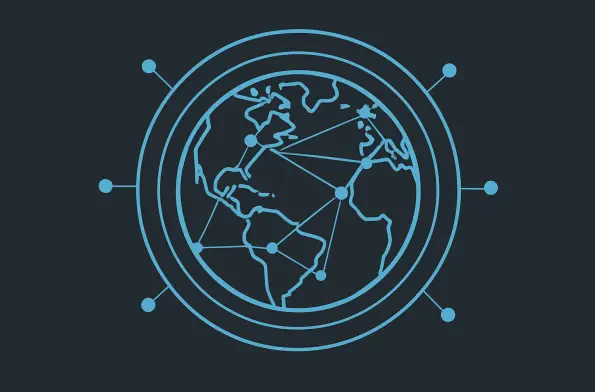
Targeting has expanded significantly to include organizations in the United Kingdom, Canada, Japan, and various European nations. The use of localized subdomains suggests a strategic intent to gather intelligence from a broader array of global victims.
Implications
DLL side-loading poses a practical risk because it mimics legitimate processes, making traffic detection extremely difficult for modern monitors. Such tactics minimize the digital footprint and challenge the effectiveness of traditional disk-based forensic analysis.
The geographical expansion of Tortoiseshell’s activities alters the dynamics of global intelligence gathering. It forces international security agencies to reconsider their defensive priorities as the group’s reach continues to grow across major economies.
Reflection and Future Directions
Reflection
Tracking actors who leverage native Windows utilities highlights the complexity of modern attribution. It remains difficult to determine specific intent when subdomains are registered months before an active exploitation phase begins.
The synthesis of stealth and infrastructure expansion marks a new phase in the group’s operational maturity. This shift suggests a preference for long-term persistence over immediate, disruptive actions within compromised networks.
Future Directions
Research should investigate the correlation between geopolitical interests and the selection of new geographical targets. Understanding these links will help predict which industrial sectors might face increased risk in the coming months.