Security researchers have identified a complex infection chain that utilizes spoofed Gmail attachment previews to trick high-value targets into executing malicious HTA and WSF files. This sophisticated operation is attributed to UAT-11587, a China-nexus cyber-espionage cluster that has significantly refined its tradecraft throughout 2026. The primary weapon in their arsenal is a modular backdoor known as Antino, which is specifically engineered to exploit the inherent trust within the Microsoft 365 ecosystem. By blending malicious command-and-control communications with legitimate enterprise cloud traffic via the Microsoft Graph API, the group has successfully bypassed traditional network security perimeters. This campaign marks a pivotal shift in how state-aligned actors utilize ubiquitous productivity tools like Microsoft Outlook and OneDrive to facilitate deep network penetration and persistent data exfiltration while remaining remarkably stealthy to automated detection systems.
Strategic Analysis: The Evolution of UAT-11587
The threat actor UAT-11587 is currently recognized as a highly disciplined state-aligned entity whose operational objectives are closely linked to strategic intelligence requirements in the Asian and Middle Eastern regions. While researchers track this cluster as a distinct operational unit, significant tactical overlaps have been identified with established groups such as Jewelbug and Ink Dragon. These commonalities suggest a coordinated environment where specialized tools and infrastructure are shared among various advanced persistent threat groups to maximize efficiency and reach. In 2026, the group has demonstrated an advanced level of maturity, moving away from generic malware in favor of custom-built solutions like the Antino backdoor. Their ability to maintain long-term access to sensitive networks indicates a high degree of technical proficiency and a well-funded organizational structure that prioritizes persistent surveillance.
Strategic motivations for UAT-11587 are deeply rooted in geopolitical competition and the acquisition of sensitive defense and diplomatic data. Observations of their activity throughout 2026 show a distinct correlation between their campaign spikes and major regional legislative events or international summits. This timing suggests that the actors are specifically hunting for preliminary drafts of policies, internal diplomatic communications, and defense procurement strategies that could provide a strategic advantage to their sponsors. The group’s focus on high-value targets, including national government ministries and military contractors, reinforces the assessment that this is a dedicated espionage operation. By targeting organizations that influence regional stability and economic policy, UAT-11587 provides its handlers with a continuous stream of actionable intelligence, allowing them to anticipate and react to geopolitical shifts with a degree of foresight.
Tactical Execution: Bypassing Perimeter Defenses
The infection process begins with high-fidelity spear-phishing emails that are meticulously tailored to specific victims within targeted organizations. These messages often leverage current regional political themes, such as updates on legislative changes or official diplomatic invitations, to create a sense of urgency. The inclusion of sophisticated HTML lures that mimic familiar interfaces, such as the Gmail attachment preview screen, significantly increases the likelihood of user interaction. Once a victim is induced to click, they are directed to malicious HTA or WSF files hosted on legitimate content delivery platforms like Cloudflare Pages. This use of trusted web infrastructure helps the initial payload evade simple reputation-based filters, allowing the attackers to establish a foothold by leveraging native Windows script hosts to download secondary components from their own command-and-control servers.
Following the initial script execution, the malware moves into a memory-only phase to avoid detection by traditional disk-based antivirus software. The JavaScript loader is responsible for decrypting and executing .NET-based components using unsafe BinaryFormatter deserialization, which allows the malicious assembly to be loaded directly into the system’s memory without touching the hard drive. To ensure long-term access, the final Antino payload is delivered via a sophisticated DLL sideloading technique. The attackers exploit a legitimate, Microsoft-signed binary, such as the GatherOsState utility, which is coerced into loading a malicious library named slc.dll. Persistence is maintained through the creation of specific registry keys in the current user’s run folder, ensuring that the backdoor remains active across system restarts while blending in with the standard startup processes of a Windows workstation.
Cloud-Native Infrastructure: The Role of Microsoft 365
Developed in the Rust programming language, the Antino backdoor represents a modern approach to malware development, offering cross-architecture compatibility and inherent resistance to traditional reverse-engineering efforts. The use of Rust allows the operators to deploy a modular codebase that can be updated with new features or evasion techniques as the security landscape evolves. The most significant technical achievement of the backdoor is its reliance on the Microsoft Graph API for all command-and-control communications. Instead of connecting to suspicious external IP addresses that might trigger network alerts, Antino communicates directly with legitimate Microsoft endpoints. This strategy allows the malware to hide its traffic within the massive volume of standard enterprise cloud communications, making it nearly impossible for traditional firewalls to distinguish between a user checking their mail and a backdoor receiving orders.
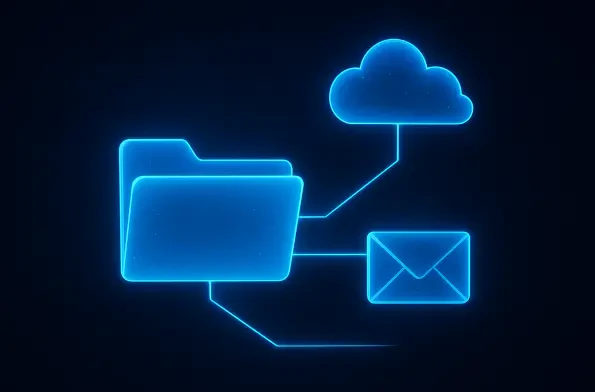
The backdoor utilizes an attacker-controlled Outlook mailbox to receive instructions, polling the account every ten seconds for new messages that contain specific session identifiers in the subject line. Simultaneously, the malware synchronizes with a dedicated OneDrive account every minute, which serves as both a heartbeat mechanism to confirm the implant’s health and a storage repository for exfiltrated sensitive data. Beyond communication, Antino provides a robust suite of post-exploitation tools that allow the operators to perform comprehensive system reconnaissance, execute arbitrary commands via PowerShell, and manipulate files on the host machine. To further obfuscate its presence, the malware proxies its command execution through legitimate Windows diagnostic processes and employs sleep-masking techniques to remain dormant and undetectable by behavioral analysis tools during periods of inactivity.
Defensive Frameworks: Mitigating Advanced Persistent Threats
Security experts concluded that the emergence of the Antino backdoor represented a fundamental shift in regional cyber-espionage tactics. The investigation demonstrated that the primary strength of UAT-11587 lay in its ability to hide within the high-volume traffic of legitimate cloud services, making discovery difficult for standard monitoring tools. Defenders found that traditional firewalls were often bypassed because the malicious commands were indistinguishable from routine Microsoft 365 activity. To mitigate these risks, it was recommended that organizations implement rigorous behavioral monitoring and cloud API auditing. Effective strategies involved looking for high-frequency polling patterns and unusual execution paths originating from signed Microsoft binaries. By adopting these proactive measures, agencies were able to improve their resilience against such sophisticated intrusions and better protect their data.
Moving forward, the focus must shift toward a deeper integration of endpoint security and cloud-native visibility. Organizations are encouraged to configure Endpoint Detection and Response tools to alert on any non-standard behavior from the Windows Scripted Diagnostics host or the GatherOSState utility. Establishing a baseline of normal Graph API usage is also essential, as it allows security analysts to pinpoint the specific ten-second or one-minute intervals used by Antino for command retrieval and data synchronization. Strengthening the security perimeter at the email gateway remains a priority, specifically by blocking or isolating executable script formats like HTA and WSF that are frequently used in the initial stages of compromise. Ultimately, the defense against state-aligned actors in 2026 requires a multi-layered strategy that combines technical controls with continuous threat hunting and an informed understanding of the adversary.