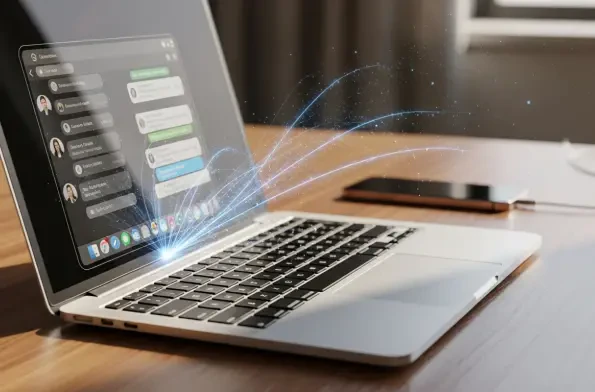
Modern cybersecurity defenses often rest on the assumption that a physical mobile device remains the ultimate source of truth for identity verification via SMS-based codes. However, recent discoveries regarding the CloudZ malware toolkit demonstrate that this assumption is increasingly fragile when legitimate synchronization tools are repurposed by sophisticated threat actors. By targeting the Microsoft Phone Link application, attackers have found a way to bridge the gap between a compromised workstation and a victim’s smartphone without needing to touch the physical handset. This shift represents a tactical evolution where productivity features designed for convenience are transformed into vulnerabilities that allow for the seamless interception of one-time passwords and private communications. As these campaigns become more prevalent in 2026, the traditional boundaries of endpoint security are being redrawn to include the data lakes created by integrated cross-device experiences.
Technical Foundations of the CloudZ Ecosystem
Mechanics of the Pheno Plugin
The operational efficiency of the CloudZ toolkit is largely dependent on a specialized component known as the Pheno plugin, which acts as a silent observer within the Windows environment. Unlike traditional spyware that might broadly log keystrokes or take screenshots, Pheno is precision-engineered to identify and monitor the PhoneExperienceHost process associated with Microsoft Phone Link. Because the Phone Link application functions by mirroring smartphone data into local SQLite database files on the host PC, the malware does not need to maintain a persistent connection to the mobile device itself. Instead, it waits for the legitimate synchronization process to populate these local files with fresh data. Once the plugin detects an active session, it begins harvesting sensitive information directly from the endpoint storage, ensuring that every incoming text message or authentication code is captured the moment it arrives on the computer screen.
This localized approach to data exfiltration allows the threat actors to bypass the security protocols typically found on modern mobile operating systems like Android or iOS. By focusing on the desktop side of the synchronization, the malware avoids the complexities of mobile-based sandboxing and permission prompts that often thwart remote access tools. The Pheno plugin is designed to confirm a live connection before alerting the primary command-and-control server, which allows the attackers to prioritize systems that are currently actively syncing data. This ensures that the exfiltration process is both timely and efficient, minimizing the digital footprint of the malware while maximizing the relevance of the stolen information. The result is a highly effective pipeline that turns a user’s desktop into a mirror of their most private mobile interactions without triggering standard mobile security alerts.
Resilience and Evasive Deployment
The infection vector for CloudZ typically begins with a socially engineered lure, often disguised as a critical update for legitimate remote support software such as ScreenConnect. Once a user is deceived into initiating the installation, a multi-stage deployment process begins, utilizing loaders compiled in Rust to provide a high level of performance and low detection rates. These loaders drop .NET components that are cleverly disguised as harmless text files to evade basic signature-based antivirus scanners. To ensure that the malware remains active through system reboots and administrative changes, the toolkit often attempts to establish persistence by scheduling tasks to run under the high-level SYSTEM privilege. This level of access not only protects the malware from being easily disabled by standard users but also provides the necessary permissions to read protected application databases.
Beyond its initial deployment, CloudZ incorporates a sophisticated suite of anti-analysis and obfuscation techniques to frustrate forensic investigators and automated sandboxes. The developers utilize ConfuserEx to scramble the code, making reverse engineering a labor-intensive process for security researchers. Furthermore, the malware performs rigorous checks to determine if it is running within a virtual machine or if monitoring tools like Wireshark and Sysmon are active on the host. If such tools are detected, the malware may alter its behavior or cease operations entirely to avoid capture. Communication with its infrastructure is equally stealthy, as the toolkit rotates user-agent strings to blend in with normal web traffic and retrieves configuration updates from public platforms like Pastebin. This reliance on legitimate web services makes it difficult for network administrators to block the traffic without affecting normal business operations.
Security Implications for the Modern Workplace
Redefining the Multi-Factor Authentication Risk
The emergence of tools like CloudZ necessitates a fundamental shift in how organizations perceive the security of SMS-based multi-factor authentication. For years, security professionals have warned about the risks of SIM swapping, but the ability to intercept codes via desktop synchronization introduces a threat that is much harder to detect and mitigate. When an employee links their personal or work phone to a Windows workstation, they are effectively extending the trust boundary of their mobile device to a potentially vulnerable PC environment. If that PC becomes compromised, every security measure that relies on the “something you have” factor of the mobile phone is rendered moot. The malware effectively turns the enterprise workstation into a proxy for the mobile device, allowing attackers to log into sensitive cloud services, financial accounts, and internal databases using stolen credentials and intercepted codes.
Furthermore, this trend highlights a growing gap in endpoint detection and response strategies that focus solely on traditional malware behaviors. Many security suites are tuned to look for unauthorized network connections or suspicious file modifications, but they may overlook the legitimate reading of SQLite databases by a process that appears to be associated with system functions. As more productivity tools integrate mobile and desktop experiences, the volume of sensitive data residing on the endpoint increases exponentially. Organizations must recognize that any data synced to a workstation is only as secure as the workstation itself. The risk is no longer just about losing the phone; it is about the silent leakage of mobile data through the very devices intended to facilitate secure work. This realization is pushing many firms to move away from SMS entirely in favor of hardware security keys or biometric-based authentication.
Strategic Defenses and Future Considerations
To effectively counter the threat posed by CloudZ and similar toolkits, IT departments must implement a layered defense strategy that addresses both the software and the human elements of the attack chain. A critical first step involved restricting the use of synchronization applications like Phone Link on corporate-managed devices through group policy or mobile device management solutions. By disabling these features on high-risk workstations, organizations can prevent the local storage of sensitive mobile data altogether. Additionally, reinforcing phishing awareness training to specifically include fake software update prompts can help prevent the initial infection. Modern email security gateways should also be configured to detect the specific patterns of Rust-based loaders and .NET obfuscation that define this new wave of malware.
Looking forward, the persistence of these threats suggests that the industry must move toward a zero-trust architecture that does not rely on transient codes delivered through insecure channels. Implementing FIDO2-compliant hardware keys or managed authenticator apps that utilize encrypted push notifications rather than SMS can provide a much higher level of assurance. These methods ensure that the authentication process remains isolated from the desktop environment, preventing malware on the PC from intercepting the final step of the login process. Organizations that successfully transition to these more robust methods will find themselves better protected against the evolving tactics of threat actors who continue to exploit the intersection of convenience and connectivity. Proactive monitoring of local database access and the implementation of strict application whitelisting remain essential components of a resilient security posture in the current landscape.
The discovery of the CloudZ toolkit served as a definitive warning that the convenience of device synchronization comes with significant security trade-offs. Security teams were forced to acknowledge that the traditional isolation between mobile devices and workstations had vanished, creating a new and dangerous attack surface. By repurposing legitimate Windows features, attackers demonstrated that they could bypass complex authentication hurdles with relatively simple database queries. This shift in the threat landscape required a rapid reassessment of authentication policies and a move toward more secure, hardware-bound identity verification. Ultimately, the industry learned that protecting the endpoint now requires a holistic view of all synchronized data, ensuring that no single connection becomes a silent gateway for total account compromise.