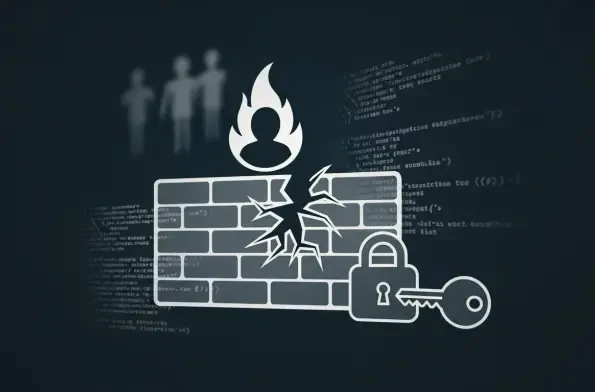
When the gatekeeper of a digital fortress becomes the very conduit for an unseen intruder, the foundational trust in modern network architecture begins to crumble under the weight of a single unpatched flaw. This crisis materialized recently through CVE-2026-0300, a vulnerability that turned the premier security appliances of Palo Alto Networks into open gateways. By allowing unauthenticated remote code execution, the flaw granted attackers root-level access to the perimeter, which is the most sensitive layer of any corporate network.
The Critical Threat of the Palo Alto Zero-Day Vulnerability
Organizations rely on firewalls as the final line of defense between internal assets and the chaotic public internet. However, a root compromise at this level effectively hands the keys of the kingdom to a threat actor before they even touch an internal server. This is widely considered a worst-case scenario because it bypasses almost all traditional internal security controls and monitoring systems.
The immediate classification of this event as high-risk was driven by the ease with which an attacker could gain total control. Without needing a single set of valid credentials, an external actor could execute commands with the highest possible privileges. This level of access allowed for the complete manipulation of traffic, the theft of sensitive data, and the creation of hidden backdoors that are nearly impossible to find.
Foundations of the Vulnerability: Origin and Context
The vulnerability targets the User-ID Authentication Portal, a core component of both the hardware-based PA series and the virtualized VM series firewalls. These devices are ubiquitous in global enterprises, meaning the attack surface is vast and highly valuable. The timeline revealed a chilling reality: attackers were actively exploiting the flaw in the wild well before the security community could issue a public warning.
Evidence suggests that the discovery was not accidental but the result of targeted research into edge device weaknesses. Because these firewalls sit at the boundary of the network, they are often excluded from the very inspection policies they enforce. This blind spot provided the perfect environment for a zero-day exploit to remain undetected for a significant duration during the initial stages of the campaign.
Key Attributes of the CL-STA-1132 Campaign
Security analysts have focused their attention on a campaign tracked as CL-STA-1132, which demonstrated a level of discipline rarely seen in opportunistic cybercrime. This group did not merely blast networks with automated scripts; instead, they followed a methodical progression of probing and adaptation. Their ability to compromise high-integrity network systems suggests a deep understanding of the proprietary architecture used in modern firewalls.
Success via Nginx Shellcode Injection
The attackers initially struggled to find a reliable entry point, but their persistence eventually yielded a technical breakthrough. By successfully injecting shellcode into Nginx worker processes, they bypassed standard execution restrictions. This pivot allowed them to run arbitrary code within the context of a legitimate web service, effectively masquerading their malicious intent as routine traffic.
Persistence through Low-and-Slow Tactics
Once inside, the group avoided the typical “smash-and-grab” behavior that triggers modern security operations centers. They opted for a low-and-slow approach, utilizing intermittent interactive sessions that lasted only minutes at a time. This deliberate cadence ensured that their presence remained below the statistical thresholds that define anomalous behavior in most automated detection platforms.
Comprehensive Forensic Evasion
To ensure their longevity within the network, the operators engaged in aggressive forensic cleanup. They meticulously deleted Nginx crash records and kernel messages that might have hinted at a service malfunction or an exploit attempt. By clearing core dump files and system logs, they left investigators with a fragmented trail that significantly delayed the initial discovery and hampered the response.
Defining the Unique Strategy of the Attackers
A defining characteristic of this threat was the abandonment of proprietary malware in favor of open-source utilities like Earthworm and ReverseSocks5. These tools are difficult to attribute because they are widely available and often used by legitimate penetration testers. Using these “living off the land” techniques allowed the intruders to blend into the environment without triggering signature-based antivirus or endpoint detection systems.
Moreover, the group used the firewall’s own service account credentials to conduct Active Directory enumeration. By targeting domain roots directly from the perimeter device, they leveraged the inherent trust the network placed in the firewall. This shift from simple exploitation to sophisticated lateral movement differentiates this campaign from less advanced threats that focus solely on the initial point of entry.
The Current State of Mitigation and Attribution
Palo Alto Networks responded by initiating a phased patching schedule that concluded on May 28, urging all administrators to apply updates immediately. While no formal attribution has been finalized, the technical hallmarks of the CL-STA-1132 group point toward a state-sponsored entity. The precision of their movements and the focus on stealth align with the tactics of groups focused on long-term intelligence gathering rather than immediate financial gain.
Current efforts involve a massive global hunt for indicators of compromise that may have been left behind before the patches were applied. Organizations are being advised to rotate all credentials that were stored on or accessible by the firewalls during the period of vulnerability. This remediation process is complex, as it requires a deep forensic dive into networks that may have been compromised for weeks.
Reflection and Broader Impacts
The success of this low-and-slow approach forces a reevaluation of how security teams interpret network telemetry. Traditional models that prioritize high-volume alerts are poorly equipped to catch an adversary who moves at the speed of a human operator rather than a script. This event highlights a growing gap between automated defense and manual, highly skilled offense.
Reflection
The vulnerability served as a reminder that the perimeter is no longer a static wall but a dynamic and vulnerable software layer. Security operations centers must now account for the fact that their most trusted devices can be turned against them. The challenge lies in detecting subtle anomalies in systems that are designed to be the ultimate authority on network traffic.
Broader Impact
On a macro level, the targeting of edge devices signals a strategic shift in global espionage. As internal systems become better protected, the “untrusted” perimeter has become the most vulnerable link in the global supply chain. This trend suggests that network infrastructure will remain a primary battleground for nation-states seeking to establish permanent footholds in foreign critical infrastructure.
Conclusion: Securing the Perimeter in an Age of Sophisticated Threats
The Palo Alto zero-day proved that even the most advanced security tools are susceptible to the same flaws they aim to prevent. Vigilant monitoring and the rapid application of patches were the only effective defenses against this level of technical sophistication. Moving forward, organizations prioritized proactive threat hunting and the implementation of zero-trust architectures to ensure that a single perimeter breach could no longer compromise the entire enterprise. These steps were essential to reclaiming the integrity of the network and preparing for the next generation of silent, state-sponsored intrusions.