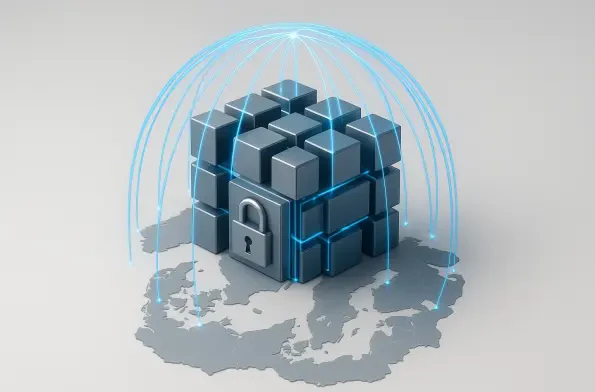
Rooted in research from the Technical University of Denmark, Dencrypt’s encryption methods have undergone ten years of development to meet the most stringent security requirements. This acquisition by Terma, Denmark’s premier defense and aerospace manufacturer, represents a pivotal moment for European digital sovereignty within the NATO alliance. In an era where electronic warfare and sophisticated state-sponsored cyberattacks are commonplace, the ability to maintain secure, uninterceptable communications is paramount. By absorbing Dencrypt’s specialized knowledge, Terma is not merely expanding its portfolio; it is securing a critical domestic capability that reduces reliance on non-European technology providers. This move ensures that the encryption protocols protecting classified military data remain under sovereign control, mitigating the risk of vulnerabilities associated with foreign software. The consolidation of such cryptographic expertise strengthens the collective security posture of the Nordic region.
Strategic Autonomy: Safeguarding the Digital Supply Chain
The push for strategic autonomy in the European defense sector has accelerated as the complexity of hybrid threats continues to evolve. Terma’s decision to internalize advanced cryptographic assets highlights a broader trend among NATO members to safeguard their digital supply chains against external interference. By owning the underlying mathematics and implementation of their secure communication suites, nations can effectively insulate themselves from the geopolitical volatility that often affects global software vendors. This acquisition enables Terma to provide end-to-end secure solutions that are fully auditable and free from the “black box” risks inherent in third-party encryption. Furthermore, it allows for a more cohesive integration of security features across naval, air, and land platforms, ensuring that the entire defense ecosystem is built on a foundation of trusted, locally developed intellectual property. This proactive stance on digital ownership is essential for maintaining operational independence during times of international crisis.
Dynamic Encryption: The Core of Tactical Security
The technical core of this transition lies in the implementation of dynamic encryption, a method that frequently changes encryption keys and algorithms during a single communication session. Unlike static encryption models that may eventually succumb to brute-force attacks or quantum computing advancements, dynamic systems provide a moving target that is exponentially more difficult to decrypt. Terma’s integration of this technology into its command-and-control systems allows for a more resilient architecture on the modern battlefield, where seconds can determine the outcome of a mission. By utilizing advanced cryptographic principles, every packet of data is protected by a unique identity, ensuring that even a localized breach does not compromise the broader network. This approach is vital for tactical mobile units that operate in contested environments where signal jamming and interception attempts are constant. The ability to update these assets in-house allows for rapid response to emerging threats.
Strategic Integration: Advancing Sovereign Resilience
The decision to merge Dencrypt’s cryptographic prowess with Terma’s industrial scale addressed a pressing need for secure, autonomous communication infrastructures. By prioritizing the development of native encryption solutions, the partnership successfully demonstrated that specialized technical expertise could be scaled to meet global defense demands while maintaining strict national oversight. Moving forward, defense organizations should have prioritized the integration of modular security architectures that allow for the seamless insertion of updated cryptographic modules as new threats emerged. The acquisition proved that securing the digital supply chain was not merely a matter of hardware, but of mastering the mathematical foundations of privacy and trust. Leaders within the alliance recognized that digital sovereignty required a proactive stance on intellectual property and the cultivation of local talent. This strategic alignment ultimately provided a robust framework for long-term cyber resilience in an increasingly unpredictable environment.