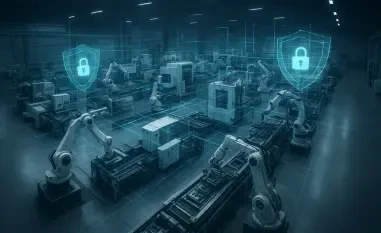
The Federal Communications Commission’s decision to officially ban the importation of Chinese-made humanoid robots and power inverters represents a fundamental shift in American technological policy and national security priorities. This strategic move signals a sharp escalation in the rivalry between the world’s two largest economies, as robotics move from experimental laboratories into functional applications in homes and critical infrastructure. The U.S. government determined that the risks of reliance on foreign hardware in such sensitive areas are too high to ignore. This analysis examines how cybersecurity concerns and market imbalances have forced a total regulatory pivot that reshapes the global robotics landscape.
Securing the Digital Frontier: The Rise of the Humanoid Ban
The importation ban reflects an urgent push to secure the national technological ecosystem against perceived vulnerabilities in foreign supply chains. By targeting humanoid robots and power inverters, the FCC is addressing both the physical machines that interact with citizens and the underlying infrastructure that manages energy and data. This policy emphasizes that any hardware capable of mobile data collection or grid integration must meet strict domestic security standards. As these robots become more integrated into the daily life of Americans, the federal government is prioritizing long-term safety over the immediate economic benefits of cheaper, imported technology.
From Drones to Humanoids: The Evolution of Tech Restrictions
This regulatory shift is not an isolated incident but the latest chapter in a broader effort to decouple critical sectors from foreign influence. Previous restrictions on drones and high-end semiconductors established a “security-first” framework that now applies to the robotics sector. These background factors matter because they signal a transition from simple economic competition toward a more defensive stance regarding technologies that can map environments or store sensitive information. Humanoid robots are particularly significant because their mobility and advanced sensors allow them to operate in private or classified spaces, presenting unique challenges that traditional trade policies were not equipped to manage.
Analyzing the Strategic Pillars of the FCC Restriction
The strategy behind the restriction rests on several key pillars that combine physical security with economic sovereignty, ensuring that future infrastructure remains under domestic control.
Cybersecurity and the Threat of Embedded Surveillance
Humanoid robots essentially function as mobile data collection hubs, utilizing cameras, microphones, and LiDAR sensors to map their surroundings in real-time. The FCC argues that if these machines are manufactured by companies beholden to foreign governments, they could serve as tools for espionage or remote monitoring. There are significant concerns that sensitive information, ranging from the layouts of secure facilities to facial recognition data of employees, could be transmitted back to overseas servers. By controlling both the robots and the power management systems, foreign entities could theoretically gain the ability to disrupt American hardware at a fundamental level.
Breaking the Monopoly: Addressing Market Dominance and Supply Chains
Market dynamics are a critical factor, as China currently controls an estimated 85% share of the global humanoid robot market. In 2025, Chinese firms like Unitree and AGIBOT shipped thousands of units, vastly outperforming the production volumes of American competitors. This dominance creates a supply chain fragility where the U.S. becomes dangerously dependent on a rival for essential future technology. The ban creates a protected space for domestic developers to scale up without being undercut by aggressive foreign pricing, though it places immediate pressure on U.S. firms to meet the resulting demand.
Geopolitical Fallout and International Relations
The timing of this restriction serves as a calculated leverage point in international diplomacy, arriving just ahead of high-level leadership summits. Beijing has condemned the measures as protectionism, accusing Washington of overextending national security definitions to stifle legitimate business interests. These tensions suggest that trade barriers may lead to retaliatory measures, potentially impacting global innovation and consumer costs. However, the U.S. government appears committed to a comprehensive walling-off of its tech stack, regardless of the immediate diplomatic or economic friction.
Looking Ahead: The Future of Robotics and Regulatory Scrutiny
The landscape of robotics is moving toward a future defined by sovereign hardware, where nations prioritize technologies developed entirely within their own borders. We can expect a surge in domestic investment in the robotics sector, fueled by government incentives and the absence of dominant foreign competitors. Technological shifts, such as the integration of advanced generative AI into robotic brains, will likely invite even stricter oversight regarding where “intelligence” is trained and where data is stored. While this ensures a more secure infrastructure, it may result in a fragmented global market where different regions operate on entirely separate technological foundations.
Navigating the New Landscape: Recommendations for Industry Stakeholders
For businesses and professionals, the FCC ban necessitates a proactive approach to technology procurement and long-term infrastructure planning. Organizations currently utilizing foreign-made robotics or power systems should begin auditing their hardware to identify potential compliance or support risks. Actionable strategies include diversifying supply chains to include domestic or allied-nation suppliers while investing in robust cybersecurity vetting for all connected devices. Adopting a Zero Trust model for physical hardware will become a best practice, ensuring that the integrity of a machine is verified regardless of its origin or the software it runs.
The Final Word on Technological Decoupling
The FCC’s ban on Chinese humanoid robots and power inverters functioned as a definitive statement on the intersection of automation and national security. The U.S. government prioritized the integrity of the supply chain and the protection of domestic data over the benefits of open global trade. This decision solidified a trend toward technological decoupling that reshaped the global economy and forced a reevaluation of how nations managed sensitive hardware. Stakeholders who adapted by investing in domestic innovation and robust security protocols managed to navigate the transition more effectively than those who remained reliant on restricted hardware. Moving forward, the emergence of neutral third-party manufacturing hubs in non-aligned nations provided a potential workaround for global enterprises seeking to maintain diverse supply chains without compromising regulatory compliance.