The traditional boundaries of corporate defense have completely dissolved as organizations grapple with an explosion of non-human identities and autonomous systems that now outnumber human employees by an order of magnitude. This dramatic shift has necessitated a move away from static security protocols toward dynamic, self-healing infrastructures. ServiceNow has recognized this fundamental change, positioning itself not merely as a service provider but as the central nervous system of the modern enterprise. By integrating security directly into the digital workflow, the platform has managed to bridge the gap between detection and remediation, ensuring that protection is an inherent part of every business process rather than an after-the-fact addition.
The objective of this new strategic direction is the creation of an AI Control Tower that governs the vast complexities of modern cloud-native environments and Internet of Things ecosystems. As we navigate the current landscape of 2026, it is clear that the focus has shifted toward high-velocity automation that can keep pace with AI-driven threats. The goal is to provide a single, unified pane of glass where security, IT, and risk management teams can collaborate without the friction of siloed data. This integrated approach allows for a level of visibility that was previously impossible, transforming security from a restrictive gatekeeper into a proactive enabler of digital innovation.
The Current Landscape of Digital Workflow and Cybersecurity Integration
The enterprise environment has become increasingly hyper-connected, characterized by a dense web of human and machine identities that require constant oversight. This connectivity has expanded the attack surface to include everything from remote workstations to industrial sensors on the factory floor. In response, ServiceNow has moved beyond traditional IT Service Management to become a dominant force in the security ecosystem. The market currently favors platforms that can offer a unified approach to these sprawling digital workflows, specifically those that can govern identity and access in real-time while maintaining operational continuity.
Moreover, the rise of the AI agent has introduced a new layer of complexity that traditional security tools are ill-equipped to handle. These agents often operate with high levels of autonomy, necessitating a system that can monitor their actions and permissions with the same rigor applied to human users. The industry is currently witnessing a transition where security is no longer a peripheral function but is instead woven into the fabric of the AI-driven enterprise. Organizations are prioritizing platforms that can adhere to global data protection standards while managing the high volume of machine-to-machine interactions that define the modern workplace.
The Evolution of Autonomous Security Operations
The shift toward autonomous operations represents the most significant change in security strategy in the current decade. Rather than relying on human analysts to manually investigate every suspicious event, enterprises are now deploying specialized AI agents designed to handle the heavy lifting of data triage. This evolution is driven by the need for speed; in a world where exploits can be launched in milliseconds, waiting for a human response is no longer a viable option. ServiceNow is at the forefront of this movement, creating a system where the workflow itself becomes the primary tool for defense and recovery.
Emergence of Shift Zero and Agentic Workflows
At the heart of this evolution is the Shift Zero philosophy, which prioritizes the total elimination of exposure over simple incident response. This model moves the focus toward real-time exposure management, where vulnerabilities are identified and remediated before they can even be cataloged as a traditional alert. By utilizing agentic workflows, ServiceNow allows for the autonomous triage of risks based on their actual threat to the business. These AI specialists are capable of understanding the context of a vulnerability, such as whether a specific server holds sensitive financial data or is merely a public-facing test environment.
This contextual intelligence is what sets agentic workflows apart from basic automation. It eliminates the problem of alert fatigue by ensuring that only the most critical issues reach human eyes, while low-risk tasks are handled entirely by the system. Furthermore, this approach aligns security operations with the speed of software development, allowing for a seamless integration where security checks are performed automatically at every stage of the lifecycle. The result is a more resilient organization that can maintain a state of continuous defense without sacrificing the agility required to compete in a fast-paced market.
Market Projections and the Rise of AI-Driven Defense
Market trends from 2026 to 2028 indicate a massive surge in the adoption of autonomous security solutions as the volume of IoT devices and non-human identities continues to skyrocket. Data suggests that the reliance on manual oversight is rapidly becoming a liability, leading to a forecast where AI-driven defense systems will be a baseline requirement for any global enterprise. The demand for Tier 2 SOC AI Specialists is particularly high, as these systems provide the sophisticated analysis necessary to counter advanced persistent threats that utilize their own AI capabilities.
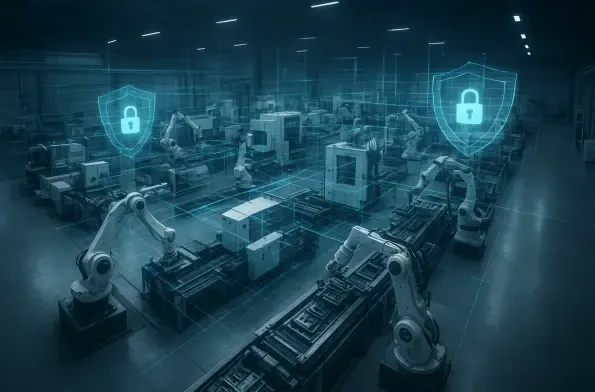
The expansion into Cyber-Physical Systems is also expected to be a major growth driver during this period. As industries like healthcare and manufacturing become more reliant on connected devices, the consequences of a security breach shift from data loss to physical disruption. Consequently, the integration of autonomous security into operational technology is becoming a top priority for executive leadership. Future investments are likely to focus on platforms that can offer comprehensive visibility across both the digital and physical realms, providing a holistic view of the enterprise risk posture.
Overcoming Fragmentation and the Complexity of Modern Threats
The sheer number of disparate tools in the typical security stack has created a fragmentation problem that often masks significant vulnerabilities. Many organizations find themselves managing dozens of different products that do not communicate with each other, leading to a fragmented view of the threat landscape. ServiceNow addresses this by acting as the connective tissue that brings these various feeds together into a single, actionable record. By consolidating data from identity providers, vulnerability scanners, and threat intelligence feeds, the platform provides the business context needed to make informed decisions quickly.
To effectively combat modern threats, enterprises must move away from the idea of security as a collection of separate tasks and toward a model of integrated response plans. This involves using AI to orchestrate multi-phase containment and remediation strategies that can execute without human intervention for routine incidents. When a threat is detected, the platform can automatically isolate affected systems, revoke compromised credentials, and begin the patching process. This level of coordination is essential for reducing the window of exploitability and ensuring that a single point of failure does not lead to a catastrophic breach.
Navigating the Regulatory Landscape and Continuous Compliance
Regulatory requirements have evolved from periodic, snapshot-based audits to a demand for continuous, real-time oversight of the entire security infrastructure. Standards such as SOC 2 and ISO 27001 now require organizations to prove that their access controls and system configurations are being monitored and enforced at all times. ServiceNow facilitates this transition by automating the evidence-gathering process, ensuring that compliance is a byproduct of a well-managed workflow rather than a separate, labor-intensive project. This real-time monitoring allows organizations to identify and correct compliance gaps as they occur, rather than discovering them months later during an audit.
The industry is also preparing for the long-term implications of quantum computing on traditional encryption methods. This has led to the emergence of new standards for cryptographic asset compliance, requiring firms to identify and migrate away from legacy algorithms that may soon be vulnerable. ServiceNow assists in this transition by automating the discovery of these legacy assets and providing a clear path toward quantum-resistant encryption. By maintaining an up-to-date inventory of all cryptographic materials, organizations can ensure that their sensitive data remains secure against both current and future cryptographic challenges.
Future Horizons: Quantum Readiness and Cyber-Physical Security
The convergence of IT and Operational Technology represents the next major frontier in enterprise security, particularly in sectors where the physical and digital worlds intersect. Innovations in behavioral baselining are now allowing systems to detect anomalies on a factory floor or in a hospital setting with extreme precision. For instance, if a piece of medical equipment begins communicating with an unauthorized external server, the system can automatically flag this behavior and initiate a protective workflow. This capability is vital for securing legacy equipment that was never designed with modern cybersecurity threats in mind.
We are also seeing a significant move toward the agentization of security for non-human identities. As AI agents become more prevalent, the need to manage their entire lifecycle—from creation to retirement—is becoming a critical component of risk management. ServiceNow is developing tools that can govern these identities autonomously, ensuring they always have the minimum necessary permissions to perform their tasks. Additionally, the integration of Dynamic Application Security Testing into the development pipeline ensures that even AI-generated code is subjected to rigorous security standards, protecting the integrity of the software supply chain from the very first line of code.
Summary of the Transition Toward Autonomous Security
The analysis of the current security environment demonstrated that the move toward autonomous operations was a necessary response to the increasing speed and scale of digital threats. It was found that organizations that prioritized the consolidation of their security tools into a single workflow engine achieved significantly faster remediation times and higher levels of operational resilience. The evidence showed that treating security as an integrated business process, rather than a siloed IT function, allowed companies to maintain a stronger defense posture while continuing to innovate at a rapid pace.
The shift toward the Shift Zero philosophy provided a clear blueprint for the proactive enterprise, emphasizing the importance of preventing exposure rather than merely reacting to incidents. It became evident that the management of non-human identities and AI agents was the new frontier of risk management, requiring specialized tools that could operate at the speed of machine-to-machine interactions. Furthermore, the findings indicated that continuous compliance and quantum readiness were no longer optional considerations but were essential components of a modern security strategy. Ultimately, the transition to autonomous security was about more than just technology; it was about creating a more resilient and agile organization capable of navigating an increasingly complex digital landscape.