
Malik Haidar is a seasoned veteran in the high-stakes world of cybersecurity, having spent decades defending the digital infrastructure of multinational corporations from sophisticated global threat actors. His approach is uniquely holistic, blending deep technical intelligence with a pragmatic
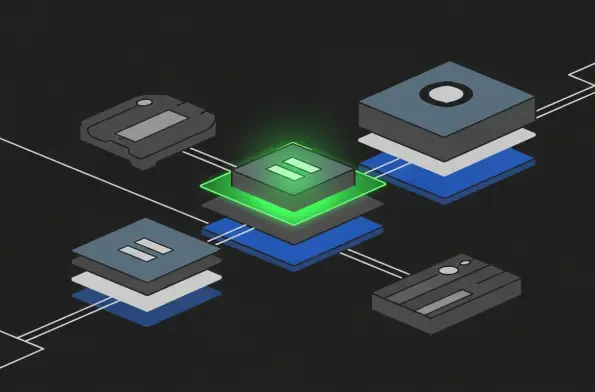
The rapid integration of autonomous systems into the core of global physical infrastructure has created a precarious situation where traditional cybersecurity methods are increasingly unable to keep pace with modern risks. While software vulnerability management has historically focused on digital
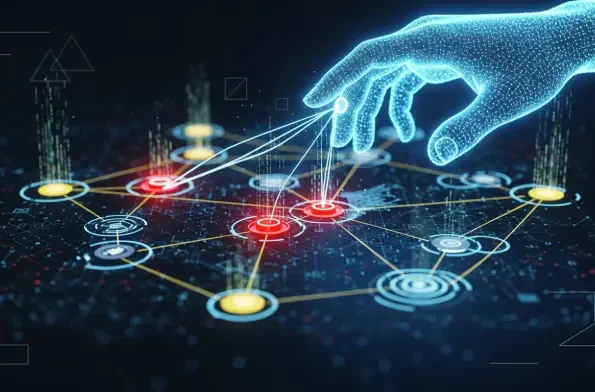
The digital ecosystem relies heavily on a handful of open-source libraries that function as the invisible scaffolding for nearly every video stream, social media upload, and professional broadcast produced today. Among these, FFmpeg stands as the undisputed titan, a versatile toolset integrated
The digital gates of modern enterprise infrastructure are currently under a relentless siege as a massive credential harvesting campaign targets tens of thousands of FortiGate appliances worldwide. This urgent security notification from the Cybersecurity and Infrastructure Security Agency

Modern digital security has largely migrated to the cloud, yet a deceptive and highly effective threat has emerged that relies on the tangible physical connection of a USB drive to breach even the most fortified workstations. This malicious software, identified by cybersecurity experts as

Security professionals and engineering teams across the global technology sector are currently facing the emergence of the Hades campaign, a sophisticated threat wave that has fundamentally altered the risk profile of the Python Package Index through its use of AI-evasive techniques. This campaign
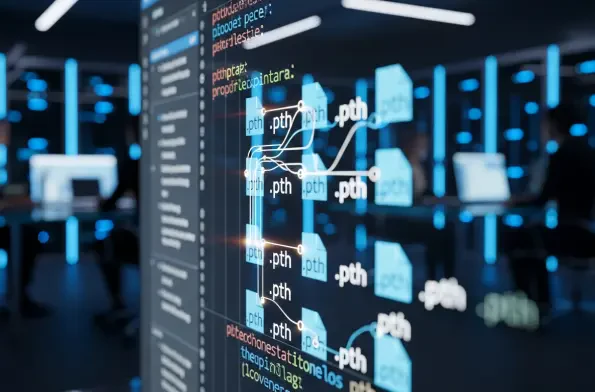
Malik Haidar stands at the intersection of high-level threat intelligence and corporate defense, having spent years navigating the complex digital battlefields of multinational enterprises. His perspective is uniquely grounded in both the technical minutiae of exploit chains and the broader