Security in Digital Transformation
Compliance with emerging regulations like the Cyber Security and Resilience Bill is becoming a core requirement for maintaining operational continuity. This shift comes at a critical time when the perceived safety of digital infrastructure is rapidly eroding among those tasked with its protection.
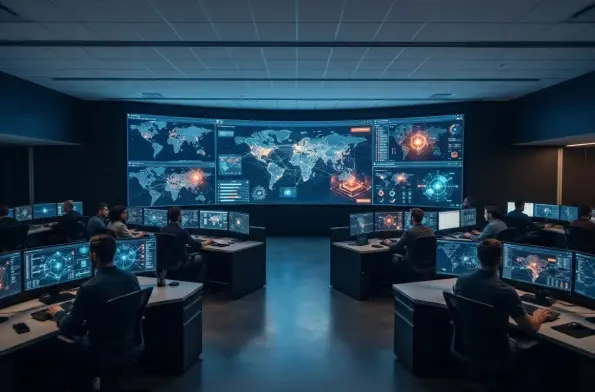
The traditional boundary between digital information protection and the physical safety of tangible organizational resources has dissolved into a single, cohesive operational reality. In 2026, the security landscape is no longer defined by the strength of a padlock or the height of a fence.

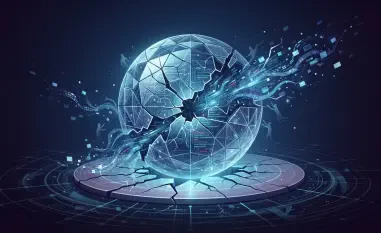
The Washburn County breach serves as a case study for the growing national trend of sophisticated bad actors targeting small-scale governmental entities. In early August, the rural tranquility of this northern Wisconsin community was shattered when IT staff realized the entire governmental network
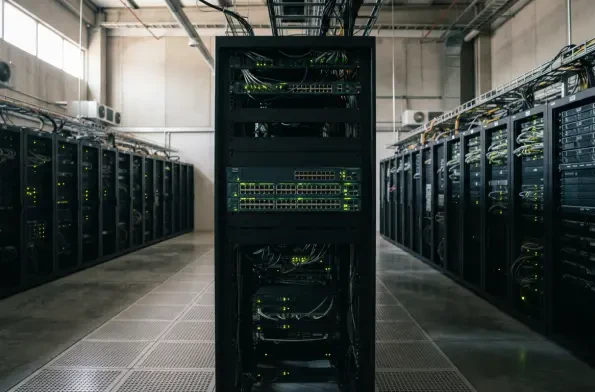
By analyzing the twelve-year evolution from Heartbleed to PHP2Shell, it becomes clear that technical fixes alone cannot substitute for deep-seated organizational readiness. In October 2026, the digital landscape of Nepal faced a significant stress test when authorities took the unprecedented step

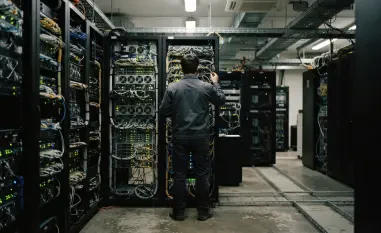
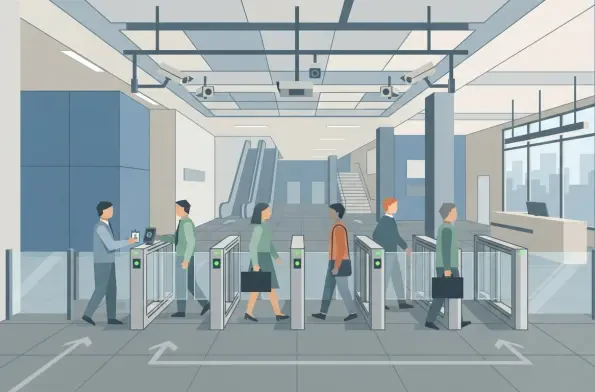
A single unsecured entrance in a multi-story office complex can compromise the integrity of an entire organization, leaving sensitive data and physical assets vulnerable to anyone who happens to walk through an unmonitored door. Physical security is no longer just about heavy locks and watchful
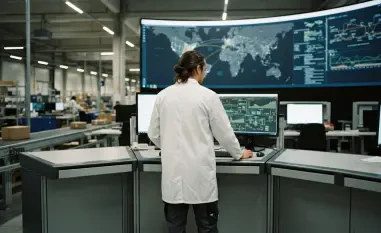
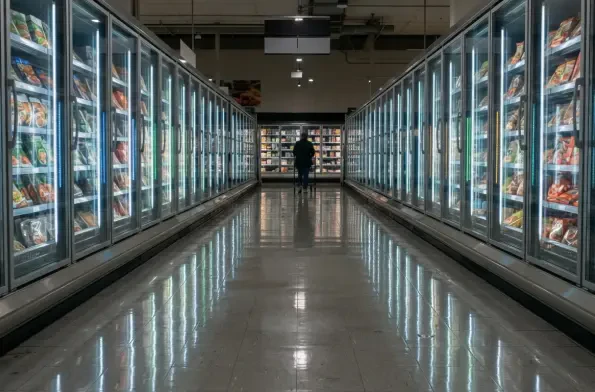
Food retailers are facing a new breed of "physical-digital" threats where remote commands can instantly spoil temperature-sensitive pharmaceutical and food products. The cybersecurity landscape has undergone a profound shift as malicious actors move beyond data theft toward the physical
1 2 3 4 5 6 7 8 9 10 11 12 13 14 15 16 17 18 19 20 21 22 23 24 25 26 27 28 29 30 31 32 33 34 35 36 37 38 39 40 41 42 43 44 45 46 47 48 49 50 51 52 53 54 55 56 57 58 59 60 61 62 63 64 65 66 67 68 69 70 71 72 73 74 75 76 77 78 79 80
Read More