The rapid disappearance of traditional security perimeters has forced a fundamental shift in how global infrastructure is protected, moving away from isolated alarms toward integrated intelligence. This review examines the shift toward unified security architectures, exploring how modern technology bridges the gap between physical barriers and digital oversight. The current landscape demands more than just cameras; it requires a cohesive ecosystem where every sensor communicates in real-time to mitigate complex threats.
Core Principles of Unified Security and Layered Defense
The transition from siloed security products to integrated ecosystems marks a departure from “patchwork” safety. Instead of managing separate software for video and gates, a layered security strategy weaves these elements into a single fabric. This approach ensures that if one layer is bypassed, subsequent measures are already alerted and active.
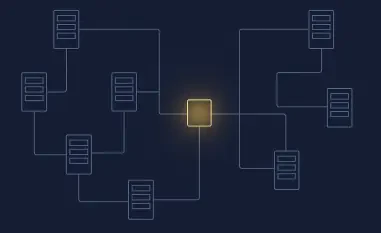
By synthesizing perimeter protection, access control, and video surveillance, these architectures provide a single point of command. This centralization is not merely about convenience; it significantly enhances situational awareness. When a perimeter sensor is triggered, the system automatically pulls relevant video feeds, reducing response times and eliminating the cognitive load on security personnel.
Technical Components of an Integrated Security Ecosystem
Resilient Perimeter Defense and Intelligent Detection
High-security solutions like HatchSecure and Maxiris represent the frontline of critical infrastructure protection. Unlike standard fencing, these NPSA-accredited systems utilize intelligent detection to distinguish between environmental noise and actual intrusion attempts. This precision is vital for high-stakes environments where false alarms can lead to dangerous complacency.
Centralized Enterprise Management through the Velocity Platform
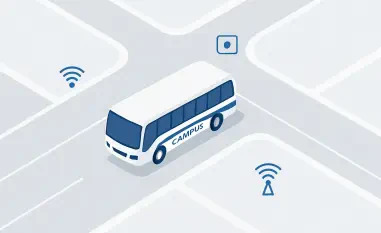
The Velocity ecosystem serves as the brain of the enterprise security environment, uniting Velocity Access Control and Velocity Vision. By managing intrusion and video within a single interface, it removes the friction of switching between platforms. This technical synthesis allows for complex event-action rules that automate security protocols across an entire global campus.
Scalable Access Control for Mid-Market and SMB Sectors
For smaller organizations, the GARDiS platform offers enterprise-grade capabilities without the technical overhead. Its intuitive design allows businesses to deploy sophisticated access management quickly. This democratization of high-end security ensures that smaller firms can protect their assets with the same rigor as large corporations, focusing on ease of use and rapid deployment.
Technological Shifts and Mobile Integration Trends
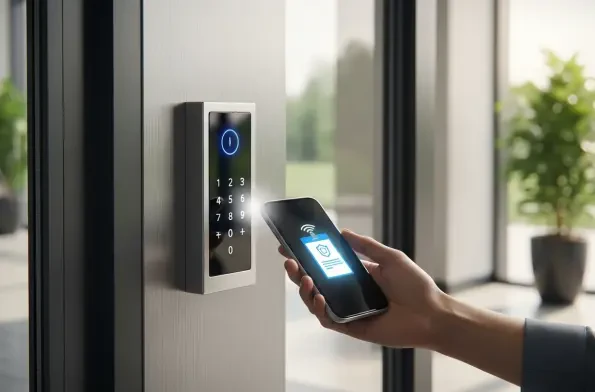
A significant move toward mobile-first flexibility is reshaping how personnel interact with hardware. The introduction of the GARDiS Mobile App exemplifies this trend, allowing for remote system control and real-time updates. This shift away from fixed workstations empowers security teams to remain mobile and responsive while maintaining full oversight of the facility.
Furthermore, the industry is gravitating toward a “one-stop” provider model for procurement. Organizations now prefer consolidated portfolios that guarantee compatibility across different security layers. This behavior reflects a desire to reduce integration risks and ensure that software updates do not break the connection between disparate hardware components.
Real-World Applications Across Industrial and Commercial Sectors
In critical infrastructure, unified architectures are mandatory for maintaining resilience against sophisticated threats. These systems allow for the granular control of high-security zones while providing a comprehensive audit trail. The integration of hardware and software here is not just a benefit; it is a fundamental requirement for regulatory compliance and operational safety.
In the commercial sector, flexibility is the primary driver of adoption. Flexible tools allow businesses to scale their security as they grow, moving from a single door to a multi-site network seamlessly. Real-world applications show that streamlining safety operations through integrated platforms significantly optimizes resource allocation and reduces long-term maintenance costs.
Strategic Challenges and Implementation Obstacles
Despite the benefits, integrating legacy hardware with modern software remains a significant technical hurdle. Many organizations struggle with “technical debt,” where older sensors cannot communicate with advanced AI-driven platforms. Overcoming this requires either expensive hardware refreshes or complex middleware solutions that can bridge the generational gap.
Regulatory hurdles and strict accreditation standards, such as NPSA requirements, also influence adoption. While these standards ensure high quality, they can limit the pool of available vendors and increase initial costs. Additionally, the move toward consolidated environments requires a higher level of technical expertise from the staff managing these sophisticated, data-rich systems.
Future Outlook for Intelligent Safety Environments
The long-term impact of AI and machine learning will likely lead to more proactive and autonomous safety systems. Future breakthroughs in hardware-software synergy will allow architectures to predict threats based on behavioral patterns rather than just reacting to alarms. This evolution will transform security from a reactive cost center into a predictive operational asset.
Scalability will remain the cornerstone of these portfolios, allowing organizations to adapt to evolving threats. As threats become more digital, the convergence of physical and cyber security will become even tighter. The ability to update software-defined hardware over the air will ensure that physical defenses remain relevant long after their initial installation.
Final Assessment of Unified Security Technologies
The transition toward integrated architectures successfully addressed the fragmentation that once plagued the industry. These technologies created a resilient environment where data flow between sensors and interfaces was seamless. By prioritizing a “layered” approach, providers simplified the management of complex sites while increasing overall safety. This shift fundamentally altered the expectations for global infrastructure management, moving the needle toward a more proactive and unified future.