The long-standing reliance on physical keys and plastic cards for securing our spaces is rapidly giving way to a more integrated, intelligent, and fluid approach centered on the one device nearly everyone carries. Mobile-Based Access Control represents a significant advancement in the security and facility management sectors. This review will explore the evolution of the technology, its key features, performance metrics, and the impact it has had on various applications. The purpose of this review is to provide a thorough understanding of the technology, its current capabilities, and its potential future development.
The Evolution from Physical to Digital Credentials
Defining Mobile-Based Access Control
Mobile-based access control is a technology that leverages smartphones and other mobile devices to function as secure credentials for accessing physical spaces such as office buildings, residential apartments, and restricted areas. At its core, it replaces traditional access methods like mechanical keys, RFID key fobs, and plastic access cards with a digital credential stored securely within a mobile application or digital wallet. This system allows for the granting, managing, and revoking of access permissions remotely and in real-time.
This paradigm shift moves access control from a static, hardware-centric model to a dynamic, software-driven ecosystem. The system typically involves three main elements: a digital key stored on a user’s smartphone, a reader installed at the access point, and a cloud-based management platform where administrators control permissions. This architecture provides unprecedented flexibility and control, transforming security management from a reactive, manual task into a proactive and automated process.
The Smartphone as a Universal Key
The proliferation of smartphones is the primary catalyst driving the adoption of mobile access. With devices becoming indispensable tools for communication, banking, and commerce, integrating access control is a logical and intuitive progression. The smartphone is a deeply personal device, rarely shared and almost always within its owner’s reach, making it a more secure and reliable credential carrier than a traditional key card that can be easily lost, stolen, or forgotten.
The sheer scale of smartphone ownership represents a massive, pre-existing infrastructure ready for leveraging. In Western Europe alone, nearly 460 million active smartphones create a vast market for digital access solutions. This ubiquity eliminates the need for organizations to invest in distributing dedicated hardware, instead tapping into the powerful computing and security features already present in the user’s pocket. The transition mirrors successful mobile-first transformations in other industries, where convenience and user experience have become paramount.
Core Components of a Mobile Access Ecosystem
A functional mobile access control ecosystem is built upon several interconnected components working in concert. The first is the digital credential itself, a secure token of data issued to a user’s mobile device. This credential is encrypted and stored in a protected area of the phone’s memory, often utilizing the device’s built-in security hardware. The second element is the reader, an electronic device installed at the door or entry point that communicates with the smartphone to verify the credential.
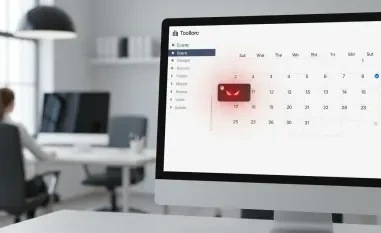
Tying these elements together is the cloud-based management platform, which serves as the system’s central nervous system. This software allows administrators to issue and revoke credentials, set access schedules, monitor entry and exit activity, and manage the entire system from any internet-connected device. This remote management capability is a cornerstone of the system’s efficiency, removing the logistical friction associated with physical key management and enabling immediate response to security needs.
Key Technologies and System Architecture
Digital Credential Technologies and Secure Storage
The security of a mobile access system hinges on the integrity of the digital credential and its storage. Advanced solutions employ robust cryptographic protocols to protect data both in transit and at rest. Technologies like Seos create a secure channel for communication and ensure that each credential is unique and cannot be cloned. This level of encryption far surpasses the security offered by many older proximity card technologies, which have known vulnerabilities.
Furthermore, these credentials are not simply stored like a photo or file. They are housed within secure enclaves on the smartphone, such as a Secure Element (SE) or a Trusted Execution Environment (TEE). These are hardware-isolated areas of the processor designed to protect sensitive data from malware or software-based attacks on the main operating system. This hardware-level protection, combined with the phone’s own security measures like PINs or biometrics, creates a multi-layered defense for the digital key.
Communication Protocols: Bluetooth Low Energy vs. NFC
The communication between the smartphone and the reader is predominantly handled by two wireless technologies: Bluetooth Low Energy (BLE) and Near-Field Communication (NFC). Each protocol offers distinct advantages that cater to different use cases. NFC requires the phone to be held very close to the reader—typically within a few centimeters—mimicking the familiar “tap-to-open” experience of traditional contactless cards. This proximity requirement is often seen as an intuitive and intentional action, reducing the risk of accidental unlocking.
In contrast, BLE offers a longer read range, allowing for a more seamless, hands-free experience where a user can unlock a door without removing their phone from their pocket or bag. This “long-range” mode is highly convenient, especially when carrying items. Modern access control readers are often designed to support both protocols, giving organizations the flexibility to choose the interaction model that best suits their security policies and user experience goals.
The Role of Cloud-Based Management Platforms
Cloud-based management is the engine that drives the operational benefits of mobile access control. By hosting the management software in the cloud, organizations eliminate the need for dedicated on-premise servers, reducing IT overhead and complexity. This architecture provides a centralized dashboard for overseeing multiple sites, buildings, or even global operations from a single interface.
This centralized control enables administrators to perform critical tasks instantly and remotely. A new employee can receive their access credentials before their first day, or a departing employee’s access can be revoked the moment they leave, neutralizing a potential security risk immediately. The cloud also facilitates real-time auditing and reporting, providing valuable insights into space utilization and traffic patterns, which can inform better facility management and security strategies.
Current Innovations and Emerging Trends
Integration with Mobile Wallets and Wearables
The evolution of mobile access is moving toward deeper integration with the native functions of smart devices. A significant trend is the storage of access credentials within mobile wallets, such as Apple Wallet. This allows an employee badge or residential key to exist alongside credit cards and boarding passes, creating a unified and streamlined user experience. Tapping a phone or a connected smartwatch to a reader becomes as natural as making a contactless payment.
This integration leverages the robust security frameworks built into these wallet platforms, further enhancing the credential’s protection. The use of wearables like smartwatches represents another step toward frictionless access. It allows users to unlock doors with a simple wrist gesture, providing an even higher level of convenience in situations where handling a phone might be cumbersome.
Biometric Authentication for Enhanced Security
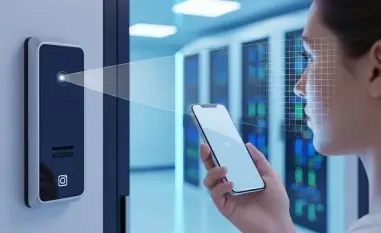
To fortify security, mobile access systems are increasingly leveraging the biometric authentication capabilities built into modern smartphones. Requiring a user to verify their identity with a fingerprint, facial scan, or PIN before the digital key is transmitted to the reader adds a powerful layer of user-specific verification. This ensures that even if a phone is lost or stolen while unlocked, the access credential remains secure and unusable by an unauthorized individual.
This feature allows for a flexible security posture. For low-security interior doors, a simple tap might suffice. However, for high-security areas like data centers or research labs, administrators can enforce a mandatory biometric check, creating a multi-factor authentication process directly at the door. This adaptability makes it possible to tailor security protocols to the specific risk level of each access point.
The Rise of API-Driven and Open-Platform Solutions
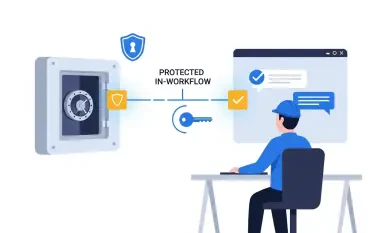
A transformative trend in the access control industry is the shift toward open platforms and API-driven solutions. Instead of closed, proprietary systems, leading manufacturers are now offering platforms with robust Application Programming Interfaces (APIs) and Software Development Kits (SDKs). This allows businesses to integrate mobile access control directly into their own custom applications and operational workflows.
For instance, a co-working space can embed door access functionality into its member management app, or a large corporation can integrate access control into its unified employee experience platform. This open approach fosters innovation and allows organizations to create holistic, connected environments. Solutions like the ABLOY CUMULUS platform, with controllers that can bring mobile unlocking to any brand of electronic lock, exemplify this move toward a more interoperable and future-proof ecosystem.
Applications Across Industries
Transforming Corporate and Commercial Environments
In corporate and commercial real estate, mobile access control is a catalyst for operational efficiency and a modern employee experience. It simplifies the onboarding and offboarding process, freeing up facilities and HR staff from the tedious logistics of key card management. The ability to grant temporary access to visitors or contractors remotely streamlines daily operations and enhances building security by ensuring permissions are precise and time-limited.
Moreover, this technology is a key enabler of flexible and hybrid work models. With mobile credentials, employees can seamlessly access different offices, book hot desks, and use shared amenities through a single application. The data generated by these systems also provides valuable insights into how spaces are being used, allowing facility managers to optimize layouts, energy consumption, and resource allocation.
Modernizing Residential and Multi-Family Housing
For the residential sector, particularly multi-family housing, mobile access solves significant logistical and cost challenges. Property managers traditionally face pressure from the high operational costs associated with managing mechanical keys, especially during tenant turnover, which involves re-keying locks and coordinating key handovers. Mobile credentials eliminate these physical processes entirely.
By implementing systems where residents use a smartphone app to enter their apartments and common areas, property managers can issue and revoke keys instantly from a central dashboard. This not only saves significant time and money but also enhances security by eliminating the risk of unreturned or copied keys. For residents, it offers the convenience of never being locked out and the ability to easily grant temporary access to guests or service providers.
Enhancing Security and Convenience in Education and Hospitality
The benefits of mobile access extend broadly across other industries. In education, universities can issue digital credentials to students for accessing dorms, libraries, and labs, creating a more secure and connected campus. The system can be integrated with other campus services, providing a single point of interaction for students. In the hospitality sector, hotels can offer mobile keys that allow guests to check in remotely and bypass the front desk, proceeding directly to their rooms.
This technology enhances the guest experience by offering a seamless and modern journey from arrival to departure. It also improves operational efficiency for hotel staff and increases security by ensuring that digital keys automatically expire at checkout. In both education and hospitality, mobile access provides a scalable, flexible, and user-friendly solution that meets the expectations of a digitally native population.
Challenges and Mitigation Strategies
Addressing Security Vulnerabilities and Cyber Threats
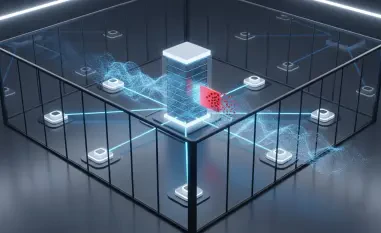
While digital systems offer enhanced security over their analog predecessors, they are not immune to threats. The primary security concerns for mobile access control revolve around cyber threats, such as hacking the cloud platform, intercepting wireless communications, or compromising the mobile application. To mitigate these risks, reputable systems employ end-to-end encryption for all data, both in transit between the phone and reader and at rest on servers and devices.
Continuous security auditing, regular penetration testing, and timely software updates are critical to defending against emerging threats. Furthermore, securing the administrative platform with multi-factor authentication and strict permission controls is essential to prevent unauthorized changes to user access rights. A proactive and layered approach to cybersecurity is fundamental to maintaining the integrity of the system.
Overcoming Interoperability and Standardization Hurdles
A significant challenge in the access control industry has been the lack of standardization, leading to proprietary systems that lock customers into a single vendor’s ecosystem. This can hinder the ability to integrate access control with other building management systems, such as visitor management or HVAC controls. However, the trend toward open APIs is actively addressing this hurdle.
The push for industry standards is gaining momentum, aiming to create a future where hardware and software from different manufacturers can work together seamlessly. This shift encourages healthy competition and innovation, ultimately benefiting the end user by providing more choice and flexibility. As open platforms become more prevalent, the problem of vendor lock-in will diminish, enabling the creation of truly integrated smart building environments.
Managing User Adoption and Device Dependency
The human element is a critical factor in the successful implementation of any new technology. A primary challenge is ensuring smooth user adoption, which involves clear communication, training, and addressing user concerns about privacy and usability. Some users may be resistant to change or unfamiliar with the technology, requiring a thoughtful rollout strategy that may include a transitional period where both mobile and physical credentials are in use.
Another practical concern is device dependency. The system relies on the user having a functional smartphone with sufficient battery life. To mitigate this, building managers must have contingency plans in place, such as backup credentials or alternative entry methods, to address scenarios where a user’s phone is lost, broken, or out of battery. Providing clear instructions and support for these situations is key to maintaining user confidence and ensuring reliable access.
Future Outlook and Long-Term Impact
Convergence with IoT and Smart Building Ecosystems
The future of mobile access control lies in its deep integration with the broader Internet of Things (IoT) and smart building ecosystems. Access events will no longer be isolated occurrences but will serve as triggers for a cascade of automated actions. For example, an employee entering their office could automatically activate their preferred lighting and temperature settings, log them into their computer, and adjust the room’s environmental controls based on occupancy.
This convergence will transform buildings from passive structures into responsive, personalized environments. Mobile access credentials will become a key part of a user’s digital identity within the building, enabling seamless interaction with a wide range of connected services, from booking meeting rooms to paying for cafeteria purchases. This holistic integration will unlock new levels of efficiency, sustainability, and occupant comfort.
The Influence of AI on Predictive and Adaptive Access
Artificial intelligence (AI) and machine learning are poised to revolutionize access control by making it predictive and adaptive. AI algorithms will be able to analyze access patterns, occupancy data, and user behavior to identify anomalies that could indicate a security threat. For instance, the system could flag an unusual access attempt outside of normal working hours and require additional verification or alert security personnel.
Moreover, AI can optimize building operations by predicting traffic flow and adjusting resources accordingly. An adaptive access system might dynamically change security levels based on real-time threat assessments or building occupancy, granting more permissions during normal business hours and restricting access during off-peak times. This intelligent automation will move security from a model of fixed rules to one that is context-aware and responsive.
The Path Toward a Keyless Society
The long-term trajectory of these trends points toward a truly keyless society, where the concept of a dedicated physical object for unlocking a door becomes obsolete. The digital credential, securely managed on personal devices and integrated into our daily digital lives, will become the universal standard for access. This shift will fundamentally change our relationship with physical spaces, making interactions more seamless, secure, and personalized.
This future promises not just the convenience of shedding a physical keychain but a complete reimagining of security and facility management. Buildings will be more intelligent, efficient, and attuned to the needs of their occupants. The journey toward this keyless future is well underway, with mobile-based access control serving as the foundational technology driving this profound transformation.
Concluding Assessment
Summary of Key Findings and Technological Maturity
The review of mobile-based access control found it to be a mature and rapidly expanding technology. Its growth was driven by the convergence of smartphone ubiquity, advancements in wireless communication like BLE and NFC, and the scalability of cloud-based management platforms. Key findings demonstrated that the technology delivered substantial improvements in both operational efficiency and security compared to legacy systems. The ability to manage credentials remotely and instantly mitigated risks associated with lost or stolen physical keys and dramatically reduced administrative overhead.
Furthermore, innovations such as integration with mobile wallets, the use of biometric authentication, and the development of open, API-driven platforms have pushed the technology beyond simple door entry. These advancements have positioned mobile access as a cornerstone of modern security infrastructure and a critical enabler for integrated smart building environments. The technology has proven its viability and value across a diverse range of industries, from corporate and residential to education and hospitality.
Final Verdict on the Impact of Mobile-First Security
The impact of mobile-first security was assessed to be transformative, representing a fundamental shift in how organizations and individuals manage physical access. The move from a hardware-centric to a software-driven model provided unprecedented flexibility, control, and data-driven insight. By leveraging the personal and secure nature of the smartphone, mobile access systems achieved a higher level of security while simultaneously enhancing user convenience.
Ultimately, the adoption of mobile-based access control was not merely a technological upgrade but a strategic decision that yielded significant returns in productivity, security posture, and user experience. It has successfully laid the groundwork for the next generation of intelligent, responsive, and interconnected buildings, firmly establishing the mobile device as the universal key for the modern world.