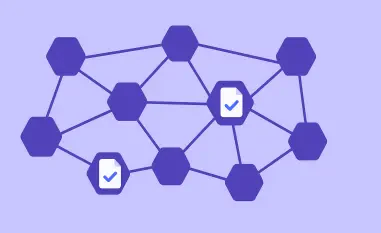
Implementing a unified security fabric eliminates the need for IT teams to manage separate, disconnected rules for firewalls, VPNs, and cloud brokers. This fundamental shift marks the end of the era where a physical office served as the primary fortress for sensitive company data. As the workforce transitioned into a permanent hybrid model, the reliance on a single, hardened perimeter became a liability rather than a safeguard. Organizations found that their digital assets were no longer tucked away in on-premises servers but were instead scattered across various software-as-a-service platforms and cloud environments. Consequently, the challenge has evolved from merely connecting remote users to ensuring that every interaction remains secure, regardless of the user’s location or the network they choose to utilize. By moving security functions to the cloud edge, companies can now provide a consistent protective layer that effectively neutralizes the risks associated with the dissolution of the traditional corporate boundary.
Addressing the Weaknesses of Traditional Networking
Identifying the Risks of Legacy Systems
Traditional network architectures were built on the assumption that employees would perform their duties from a fixed location using company-issued hardware. In this outdated model, all traffic was routed through a central data center where heavy-duty hardware appliances inspected packets before granting access to internal resources. However, the current reality involves a massive influx of traffic destined for external cloud providers, which makes this centralized inspection process incredibly inefficient. When users connect directly to these cloud services from their homes or local coffee shops, they often bypass the corporate security stack entirely, leading to what industry experts call “uneven edges.” This lack of a unified gateway means that sensitive corporate data is frequently exposed to the open internet without the rigorous filtering and monitoring that was once standard within the office environment. Without a centralized way to enforce policies, IT departments struggle to maintain a coherent defense posture across a global footprint.
Managing the Dangers of Overly Broad Access
Another significant vulnerability within legacy systems is the reliance on Virtual Private Networks, which provide a bridge into the internal network but lack the nuance required for modern security. Once a user successfully authenticates via a VPN, they are often granted broad access to the entire network segment, a concept frequently referred to as “all-or-nothing” entry. This inherent design flaw allows for dangerous lateral movement; if an attacker manages to compromise a single set of credentials or a vulnerable employee laptop, they can traverse the internal network to locate and exfiltrate high-value data. In a hybrid work environment, where employees might use unmanaged personal devices or share their home networks with insecure IoT gadgets, the risk of such a breach increases exponentially. These legacy tools were never intended to handle the scale or the diversity of today’s connection points, leaving organizations exposed to threats that can easily hop from an unpatched home computer to a critical corporate server without being detected.
The Architecture and Logic of SASE
Integrating Core Security Components
Rather than relying on a collection of standalone products that operate in silos, SASE offers an architectural shift that converges multiple networking and security functions into a single, cloud-native service. This integration includes Software-Defined Wide Area Networking to optimize traffic paths and Secure Web Gateways to filter out malicious content before it reaches the end user. By combining these with Cloud Access Security Brokers and Firewall as a Service, the framework creates a comprehensive security layer that exists entirely in the cloud, effectively following the user to any location. This convergence is essential because it eliminates the complexity of managing disparate vendors and mismatched security policies that often lead to configuration errors. A unified service ensures that whether an employee is logging in from a corporate headquarters or a remote mountain cabin, they are subject to the exact same rigorous security standards. This streamlined approach not only enhances the overall safety of the organization but also simplifies daily operational tasks.
Implementing a Unified Cloud Service
The underlying power of this modern architecture lies in its sophisticated decision logic, which moves away from static, location-based permissions to a dynamic, identity-centric model. Instead of making access decisions based on a physical port or a known IP address, the system evaluates a wide range of contextual factors in real-time. These factors include the verified identity of the user, the current health and security posture of the device being used, and the specific sensitivity level of the application or data being requested. This transition enables the implementation of Zero Trust Network Access, which ensures that every request is treated as potentially hostile until proven otherwise. Access is granted on a per-session basis and is restricted to the specific resource required for the task, rather than the entire network. This granular control means that permissions are narrow and temporary, significantly reducing the opportunities for unauthorized access. By focusing on the context of each interaction, the system provides a much more resilient defense.
Shifting from Location to Interaction
Comparing Legacy Hardware Models
Shifting from a location-centric model to one based on interaction requires a departure from traditional hardware-bound security appliances. In older setups, remote traffic had to be “backhauled” to a central office for inspection, a process that frequently resulted in significant latency and a poor user experience. This lag often forced employees to disconnect from security tools just to maintain the speed necessary for video calls or large file transfers, creating massive security gaps. In contrast, SASE utilizes a globally distributed network of cloud “points of presence” that perform security inspections much closer to the user’s physical location. By processing traffic at the edge, organizations can maintain high levels of security without sacrificing the performance that modern business applications require. This decentralized inspection model ensures that security is an enabler of productivity rather than a bottleneck, allowing workers to collaborate seamlessly across different time zones and regions while remaining fully protected by established safety protocols.
Leveraging Scalable Cloud Security
Furthermore, the cloud-native nature of these security interactions provides a level of elastic scalability that physical hardware simply cannot match. When a company experiences a sudden surge in remote connections or expands its operations into new geographic territories, the cloud infrastructure automatically scales to meet the increased demand without requiring the purchase and installation of new physical servers. This flexibility also extends to policy management, where IT administrators can update security rules once and have them propagate instantly across the entire global network. In legacy models, maintaining consistency across dozens of branch offices and thousands of remote devices was an administrative nightmare that often led to outdated or conflicting rules. SASE maintains a continuous line of sight into all cloud interactions, ensuring that every data transfer and application request is logged and analyzed according to the latest threat intelligence. This level of visibility is crucial for identifying emerging patterns of suspicious behavior.
Mitigating Hybrid Work Vulnerabilities
Closing Security Gaps Through Visibility
One of the most effective ways to secure a hybrid workforce is through the implementation of comprehensive monitoring that identifies the movement of data across all environments. Because the SASE architecture sits between the user and the cloud, it can detect unauthorized file transfers to personal storage sites or unapproved collaboration tools. This level of oversight addresses the pervasive risks of “Shadow IT,” where employees may be tempted to use third-party services that have not been vetted by the security team. By applying data loss prevention policies at the edge, organizations can prevent sensitive information from leaving their control, regardless of where the employee is working. Additionally, by utilizing Zero Trust Network Access to confine users to specific applications, the potential “blast radius” of any security incident is severely limited. Even if an employee’s credentials are stolen, the attacker is restricted to only the specific tools that the employee was authorized to use, rather than being given free rein over the entire corporate infrastructure.
Establishing Rigorous Health Checks
Beyond managing data visibility, these modern security frameworks are instrumental in verifying the integrity of a device before any connection is finalized. Because employees often work from varied environments, their devices are susceptible to a wide range of risks, from outdated operating systems to disabled local firewalls. A SASE framework allows organizations to define specific “posture” requirements that every laptop or mobile device must meet before it is allowed to touch sensitive corporate resources. If a device fails these checks—perhaps because it lacks the latest security patches or has encryption turned off—the system can automatically block the session and provide the user with instructions on how to remediate the issue. This proactive approach ensures that compromised or poorly maintained hardware does not become a conduit for malware to enter the corporate environment. By enforcing these standards at the moment of connection, companies can significantly raise the baseline of their cybersecurity resilience without requiring constant manual oversight from their IT teams.
Strategizing for a Secure Implementation
Balancing Strict Security Policies
Successfully deploying a SASE architecture is a strategic undertaking that requires a deep understanding of how data flows through an organization. It is not enough to simply purchase a software license; leaders must first conduct a thorough audit of all traffic patterns, user identities, and device types that make up the corporate ecosystem. This mapping process is essential for building a foundation based on Zero Trust principles, as it allows the organization to define precise access rules that match the actual needs of the workforce. Every application must be inventoried, and every user role must be clearly defined to ensure that the security measures being implemented are both effective and appropriate for the specific tasks being performed. Without this initial clarity, organizations risk creating a security environment that is either too porous to be effective or too complex to manage. A well-planned migration focuses on building this comprehensive inventory first, ensuring that the roll-out is aligned with long-term strategic goals.
Optimizing the Modern User Experience
At the same time, organizations must remain vigilant against the dangers of “policy rigidity,” where overly restrictive security measures end up hindering employee productivity and morale. If the security protocols are too cumbersome or introduce excessive latency, frustrated workers will inevitably seek out workarounds, such as using personal email accounts or unsecured messaging apps to get their work done. These workarounds create “blind spots” that are completely outside the view of the IT department, ultimately increasing the overall risk to the enterprise. To avoid this, a successful SASE design must prioritize a seamless user experience by utilizing distributed enforcement points and continuously monitoring network performance. Security should function as a transparent layer that protects the user without demanding their constant attention or slowing down their daily operations. By finding the right balance between robust protection and operational efficiency, companies can foster a culture of compliance where employees feel supported.
Achieving a Resilient Security Posture
The transition toward a unified cloud security model represented a necessary evolution for businesses navigating the shift to hybrid work. Organizations that successfully moved away from legacy hardware found that they could maintain a high level of visibility and control without tethering their employees to a physical office. The implementation of Secure Access Service Edge became the catalyst for a more resilient digital infrastructure, allowing for the automation of health checks and the enforcement of Zero Trust principles on a global scale. Looking forward, the next step for IT leadership involves the continuous refinement of these security policies to account for the increasing sophistication of automated threats. Companies should prioritize the consolidation of their security vendors to further reduce complexity and ensure that their protection layers remain tightly integrated. By committing to a strategy that prioritizes identity-centric security and performance, enterprises moved beyond the limitations of the traditional perimeter and established a robust foundation for a secure and productive future.