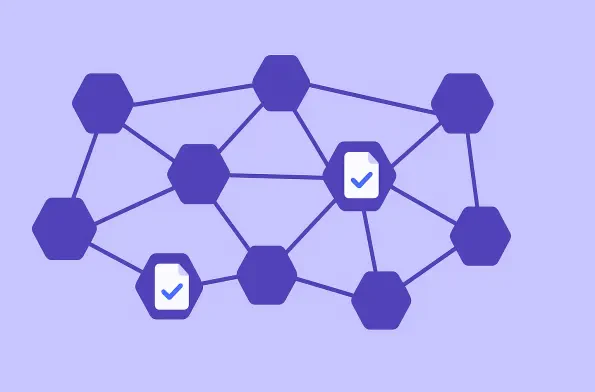
The malware agent involved in this campaign is programmed to beacon its controller once every minute while surviving system reboots through persistent script execution. This relentless connectivity represents a fundamental shift in how digital adversaries maintain control over hijacked systems, specifically through a technique known as EtherHiding. By utilizing the decentralized nature of the Polygon blockchain, threat actors have moved away from traditional, fragile communication methods that relied on static domain names or fixed IP addresses. This campaign, recently documented by security researchers in late 2026, has already compromised at least thirty-one organizations across various high-traffic sectors. These entities find their web assets weaponized to serve malicious scripts to unsuspecting visitors. The innovation here lies not in a vulnerability within the blockchain protocol itself, but in the creative misuse of public smart contracts to function as a dynamic and nearly indestructible registry for secondary command-and-control servers.
Smart Contracts: The Resilient Address Book of Modern Malware
The core mechanism behind EtherHiding involves a sophisticated redirection layer that exploits the transparency and immutability of smart contracts on the Polygon network. In a conventional attack, defenders can neutralize a threat by simply blacklisting the specific server address hardcoded into the malware. However, the ClickFix campaign avoids this vulnerability by instructing the infected agent to query a specific smart contract address on the blockchain to retrieve its next set of instructions. This process allows the attacker to update the destination address for the malware at any time by simply initiating a new transaction on the chain. Because these updates are recorded in the blockchain’s public ledger, they are accessible to any agent with internet connectivity. This effectively creates an “address book” that the attacker can modify for a negligible cost, often less than one cent per update. Such a system ensures that even if a server is seized, the malware fleet can be rerouted instantly.
This tactical pivot toward decentralized infrastructure provides attackers with a layer of anonymity and persistence that was previously difficult to achieve at scale. By leveraging Polygon’s low transaction fees and high availability, the actors behind the ClickFix campaign can maintain a large-scale operation without the overhead or risks associated with traditional hosting providers. This approach bypasses common defensive measures like DNS filtering or static IP blocking, as the malware does not rely on a fixed domain to receive its payload. Instead, the agent looks for specific data packets within the smart contract’s transaction history. This decoupling of the malware from its physical infrastructure means that the threat remains active as long as the blockchain remains operational. Consequently, security teams are forced to look beyond traditional network indicators and instead focus on the behavioral patterns of the malware on the host machine, as the external communication path is designed to be highly fluid.
Anatomy of the Attack: From Injection to Persistent Backdoor
The initial stage of the ClickFix campaign relies on the silent compromise of legitimate business websites, often targeting those running popular content management systems. Once attackers gain entry, they inject specialized JavaScript into the site’s codebase, which serves as a gating mechanism for all incoming traffic. This script is designed to assess the profile of every visitor, filtering for specific operating systems or geographical locations to ensure that only viable targets are exposed to the malicious payload. When a suitable victim is identified, the script triggers a highly convincing overlay that mimics legitimate security prompts, such as a human-verification check or a browser update notification. These overlays are meticulously crafted to resemble trusted services like Cloudflare, using familiar branding and terminology to lower the user’s defensive posture. The goal is to trick the user into thinking that a minor technical issue needs to be resolved before they can access the web content.
Once the user is engaged with the deceptive overlay, the “ClickFix” element of the attack is presented as a necessary step to “verify” the connection or “fix” a simulated display error. This often involves a prompt that instructs the victim to copy a specific command into a terminal or download a small utility file. By following these instructions, the user inadvertently executes a dropper script that bypasses standard browser security protocols. This dropper is responsible for downloading and installing the actual command-and-control agent, which then establishes a foothold on the system. The agent is specifically engineered for longevity, implementing persistent startup scripts that ensure it remains active even after the user restarts their computer. This level of persistence is a hallmark of sophisticated operations, as it allows the attackers to maintain a long-term presence within the network. From this point forward, the malware begins its beaconing process, querying the Polygon blockchain for commands.
Strategic Intent: Actionable Frameworks for Organizational Security
Intelligence analysts observing this campaign have noted that the organizations targeted span a wide variety of industries, including retail, professional services, and logistics providers. This diverse selection suggests that the threat actors are not necessarily interested in the specific data held by these companies, but are instead functioning as initial-access brokers. In the broader cybercrime ecosystem, these brokers specialize in gaining a reliable foothold within corporate networks and then selling that access to more specialized groups, such as ransomware operators or data extortionists. The shift toward using the Polygon network for this redirection technique also highlights a broader trend in the professionalization of cybercrime. By selecting a network with low transaction costs and high throughput, the attackers have optimized their operational efficiency, allowing them to scale their operations across numerous domains simultaneously for a fraction of the traditional cost.
In the months following the initial discovery of the ClickFix campaign, organizations prioritized a multi-layered defense strategy that addressed both technical vulnerabilities and human factors. Security teams implemented robust PowerShell logging and monitored for suspicious script execution to identify the persistent agents before they could facilitate deeper network penetration. Furthermore, administrators blocked access to common blockchain Remote Procedure Call endpoints, which effectively severed the malware’s ability to receive instructions from the Polygon network. This proactive stance allowed businesses to neutralize the EtherHiding threat without disrupting legitimate operations. By focusing on behavior-based detection and restricting unnecessary outbound traffic to decentralized networks, defenders successfully mitigated the long-term risks associated with this campaign. This approach proved that while attackers leveraged innovative infrastructure, traditional security principles remained the most effective tool.