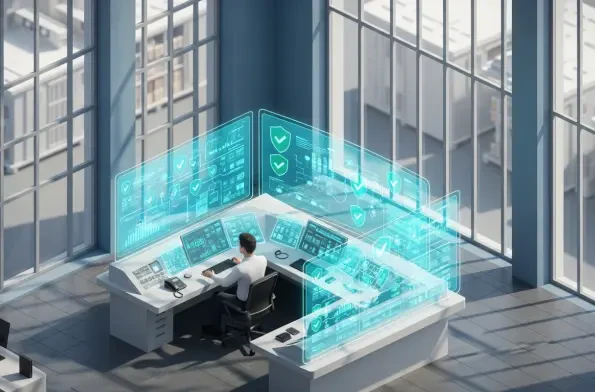
Modern industrial facilities now face an unprecedented reality where the boundary between physical machinery and digital networks has effectively disappeared to a point of no return. This shift has rendered traditional security models obsolete, as the integration of corporate IT and operational technology creates new vulnerabilities that could lead to catastrophic physical outcomes. The objective of this exploration is to understand how the zero-trust framework addresses these risks by replacing blind trust with continuous verification.
The scope of this discussion covers the strategic shift away from perimeter-based defenses toward a model that assumes a breach has already occurred. Readers can expect to learn about the specific challenges of securing critical infrastructure and the practical steps required to modernize safety protocols. By examining these concepts, organizations can better navigate the complexities of protecting vital services in an increasingly connected world.
Key Questions
Why Is the Traditional Perimeter Model Failing Industrial Networks?
The historical reliance on a hardened outer shell to protect industrial systems was based on the assumption that internal networks remained isolated and inherently safe. However, the modern push for data-driven efficiency has led to the convergence of business and control systems, effectively dissolving the air gaps that once provided security. This connectivity allows threats to bypass initial defenses and move laterally throughout a facility, putting sensitive physical processes at risk of manipulation or shutdown.
Sophisticated adversaries now utilize living-off-the-land techniques, which involve using legitimate system tools to carry out malicious activities without triggering standard alarms. Specialized malware, such as CrashOverride, specifically targets the protocols used in power grids and manufacturing plants to cause service disruptions. Consequently, a single compromised credential in a corporate office can now lead to an emergency stop on a factory floor, proving that legacy perimeter defenses are no longer sufficient against targeted attacks.
How Do Organizations Begin Implementing Zero Trust without Disrupting Production?
Implementing a zero-trust architecture in an operational environment requires a delicate balance between security and the absolute necessity for continuous uptime. The first critical step involves establishing a comprehensive asset inventory through passive monitoring techniques that do not interfere with sensitive communication between devices. By understanding exactly what is on the network and how it interacts, operators can create a baseline for normal behavior without the risk of accidentally knocking a controller offline.
Once the environment is mapped, the focus shifts to microsegmentation and the enforcement of strict identity and access management policies. This involves breaking the network into smaller, isolated zones where traffic is only permitted if it is explicitly verified and necessary for the process. Implementing multifactor authentication through jump hosts for remote access further ensures that only authorized personnel can interact with critical controls, thereby limiting the potential blast radius of any security incident.
What Challenges Arise When Applying Modern Security to Legacy Hardware?
Many industrial environments rely on hardware that was designed decades ago, long before modern cybersecurity threats were a primary concern. These legacy systems often lack the processing power or memory required to support contemporary encryption or frequent software patching, creating a significant gap in the security posture. Because these machines are vital for production, replacing them is often economically unfeasible, requiring a more creative approach to risk management.
To bridge this gap, organizations must employ compensating controls that provide protection without requiring direct modifications to the hardware itself. This includes using external security gateways to monitor traffic and applying rigorous access policies at the network level to prevent unauthorized commands. Furthermore, integrating supply chain risk management into the procurement process ensures that any new equipment introduced into the environment meets modern security standards from the very beginning of its lifecycle.
Summary
The transition toward zero-trust principles in industrial settings represents a fundamental shift in how security is perceived and managed. By prioritizing microsegmentation, continuous verification, and comprehensive asset visibility, organizations can protect their physical assets from digital threats that were once considered distant. These strategies acknowledge that while total risk elimination is impossible, informed resilience allows for the maintenance of essential services even in the face of persistent cyber challenges. Aligning cybersecurity responses with established safety procedures ensures that the primary goal of operational availability remains intact while adapting to a new era of connectivity.
Conclusion
The path to securing critical infrastructure was paved by integrating security into the very fabric of operational planning rather than treating it as an afterthought. It became clear that the evolution of industrial systems required a proactive stance where every connection was scrutinized and every identity was validated. Looking ahead, the focus shifted toward building systems that were resilient by design, capable of withstanding interference while continuing to serve public needs. This approach invited a broader reflection on how individual organizations contributed to the collective safety of national networks. Taking the next steps involved auditing existing access points and fostering a culture where security and physical safety were seen as inseparable goals for a stable future.