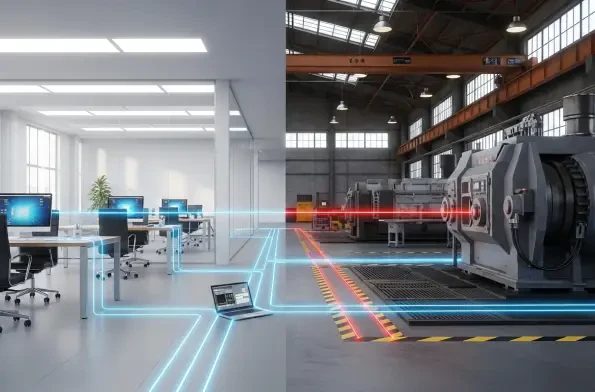
A significant escalation in cyberattacks targeting the world’s industrial backbone has exposed a critical vulnerability not in complex software exploits, but in the very credentials trusted to keep operations secure. In 2025, the number of ransomware groups specializing in industrial targets surged by nearly 50%, impacting over 3,300 organizations globally and almost doubling the previous year’s count. This alarming trend reveals a strategic shift in attacker methodology, moving away from loud, forceful entry and toward a quieter, more insidious form of infiltration. Instead of breaking down digital doors, threat actors are simply walking through them using stolen keys. By leveraging legitimate login credentials—often purchased on the dark web or harvested through phishing campaigns—these groups are gaining initial access to corporate networks and moving undetected for weeks, methodically working their way toward the sensitive operational technology (OT) environments that control physical processes. This stealthy approach has led to devastating multi-day outages, proving that the most effective weapon against industrial control systems may be the one they were never designed to defend against: a valid password in the wrong hands.
The Anatomy of an Identity-Driven Attack
The Path of Least Resistance
The primary gateway for modern industrial cyberattacks has become the remote-access portal, with VPNs and firewalls serving as the most common points of initial compromise. Attackers have largely abandoned noisy brute-force techniques in favor of a far more effective strategy known as “identity abuse.” This approach involves using legitimate credentials to masquerade as an authorized employee or contractor, effectively bypassing perimeter defenses without triggering immediate alarms. These credentials are a hot commodity, readily available from dark web brokers or harvested through sophisticated phishing emails and infostealer malware deployed on employee devices. By obtaining a valid username and password, a cybercriminal can log into a corporate network and appear as a regular user, giving them the freedom to explore the digital environment discreetly. This method is highly favored because it exploits trust and human error rather than software vulnerabilities, making it difficult for automated security tools to distinguish malicious activity from routine operations. The result is a quiet entry that grants attackers the crucial element of time.
From Corporate Networks to the Factory Floor
Once inside the corporate IT environment, attackers enter a prolonged reconnaissance phase, a period where their primary goal is to remain undetected while mapping the network and identifying pathways into the more secure operational technology domain. This “dwell time,” which averages an alarming 42 days, is a critical window during which they meticulously plan their assault. They move laterally through systems, escalating privileges and searching for the digital bridge that connects the business side of the organization to its industrial control systems (ICS). This patient and methodical approach allows them to understand the operational dependencies and pinpoint the most impactful targets. The breach into the OT environment often occurs through shared services or misconfigured connections between the two networks. By the time they are ready to launch their ransomware payload, they have a comprehensive understanding of the industrial processes they aim to disrupt, enabling them to cause maximum damage. Their presence often goes unnoticed until the final, crippling stage of the attack is initiated.
Confronting an Evolving Threat Landscape
The Ripple Effect of a Compromise
The operational consequences of these attacks are severe, even when the ransomware does not directly infect the industrial controllers themselves. In one notable incident, attackers who gained access via a VPN did not target the SCADA systems directly but instead deployed their ransomware on the hypervisor that hosted the SCADA virtual machines. This single action effectively blinded the human operators, severing their visibility and control over the physical processes they were managing. The result was a significant operational shutdown that required extensive and specialized OT recovery efforts, lasting several days. This example illustrates a critical point: disrupting the systems that support OT is often as effective as compromising the OT systems themselves. The financial and reputational damage from such outages is substantial, highlighting the interdependent nature of modern industrial environments where an IT security failure can rapidly cascade into a full-blown operational crisis.
A Call for Enhanced Visibility and Proactive Defense
As threat actors continued to refine their tactics, cybersecurity experts identified three new distinct groups—Sylvanite, Azurite, and Pyroxene—each employing unique strategies to target industrial operations. The emergence of these specialized adversaries underscored the growing sophistication and persistence of threats facing the OT sector. In response, industry leaders stressed that traditional security measures were no longer sufficient. They argued for the urgent implementation of comprehensive visibility solutions that could provide deep insight into OT environments, allowing organizations to detect anomalous behavior that might indicate a hidden intruder. This proactive defense posture became even more critical with the rise of emerging technologies like artificial intelligence and distributed energy resources, which were expected to introduce new complexities and potential blind spots. The consensus was clear: without a foundational understanding of what is happening within their own industrial networks, organizations would remain vulnerable to these stealthy, identity-driven attacks.