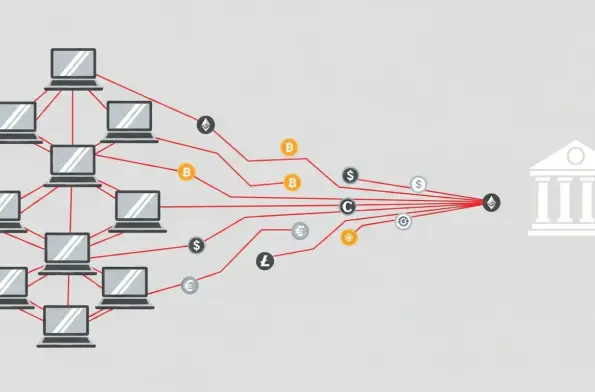
In the shadowy theaters of modern geopolitical conflict, a new and alarming model of state-sponsored aggression has taken root, blurring the lines between ideologically driven hacktivism and financially incentivized cyber warfare. A pro-Russian hacker collective has refined a strategy that outsources digital disruption on an unprecedented scale, offering cryptocurrency payments to a global network of volunteers willing to launch debilitating attacks against NATO member states and their allies. This innovative approach leverages the anonymity of digital currencies and the widespread availability of malicious tools to create a persistent, decentralized threat. By transforming cyberattacks into a gig economy for malicious actors, this model presents a formidable challenge to Western security agencies, forcing a reevaluation of how to counter threats that are both state-directed and publicly crowdsourced.
The Architecture of a Digital Insurgency
The operational framework developed by these pro-Russian actors represents a significant evolution in cyber warfare tactics. It moves beyond traditional, tightly controlled state hacking teams to a more flexible and scalable model that harnesses the power of a distributed, financially motivated volunteer base. This structure makes attribution more complex and defense more challenging, as the attacks originate from countless points across the globe.
A Volunteer Army Fueled by Cryptocurrency
At the heart of this strategy is the “DDoSIA Project,” an initiative masterminded by the hacker group known as NoName057(16), which first appeared on the scene in March 2022. The project functions as a sophisticated recruitment and payment platform, inviting individuals from around the world to participate in coordinated Distributed Denial of Service (DDoS) attacks. In exchange for their efforts, these volunteers are granted access to a powerful botnet—a network of compromised devices—and are compensated for their contributions with cryptocurrency, primarily Bitcoin. This payment system is a critical component, as it provides a veil of anonymity that makes it exceedingly difficult for law enforcement and intelligence agencies to trace the flow of funds and identify the individuals involved. The combination of financial reward and pro-Russian ideology creates a potent incentive structure, attracting a diverse pool of participants ranging from skilled cybercriminals to amateur hacktivists, thereby amplifying the group’s operational capacity far beyond what a centrally managed team could achieve.
The Strategic Impact of Denial of Service
While DDoS attacks do not typically involve data theft or the destruction of systems, their strategic value in a geopolitical context cannot be underestimated. The primary objective is disruption. By overwhelming the servers of targeted organizations with an immense flood of internet traffic, NoName057(16) can effectively paralyze critical online services, rendering them inaccessible to legitimate users. The targets are rarely random, often including government portals, financial institutions, transportation hubs, and media outlets within NATO countries. Such attacks serve multiple purposes for their state sponsors. They create public chaos and sow distrust in the stability of Western institutions, act as a form of digital retaliation for sanctions or political decisions, and force targeted nations to divert significant resources toward cybersecurity defense. This form of asymmetric warfare operates in a gray zone below the threshold of conventional military conflict, allowing the sponsoring state to exert pressure and advance its interests without resorting to physical force, making it a powerful and cost-effective tool in the modern statecraft playbook.
Unmasking the State Behind the Curtain
The activities of NoName057(16) are not the work of an independent hacktivist collective operating on ideology alone. A growing body of evidence and analysis from cybersecurity experts points toward a clear and direct link to the Russian government, positioning the group as a proxy force in the Kremlin’s broader campaign of digital aggression against the West.
Tracing the Connections to Russian Intelligence
The consensus among Western intelligence agencies and cybersecurity firms is that NoName057(16) operates with the support, if not direct oversight, of Russian state entities. Its operations are believed to be closely aligned with Russia’s Centre for the Study and Network Monitoring of the Youth Environment (CISM), an organization tasked with monitoring online activity and promoting state narratives. The targets selected by the group consistently mirror the geopolitical interests and strategic objectives of the Kremlin under Vladimir Putin. For instance, attacks are frequently timed to coincide with major NATO summits, announcements of military aid to Ukraine, or the implementation of new sanctions against Moscow. This alignment suggests a coordinated effort rather than a coincidental overlap of interests. By using a seemingly independent group as a cutout, the Russian government maintains a degree of plausible deniability, allowing it to publicly distance itself from the attacks while privately reaping their strategic benefits. This state-sponsorship provides the group with resources, intelligence, and protection that would be unavailable to a typical activist organization.
The Evolving Landscape of Cyber Conflict
The emergence of financially motivated, state-backed cyber militias like NoName057(16) signaled a paradigm shift in international security. This hybrid model, which fused the decentralized nature of hacktivism with the strategic direction of a state actor, created a persistent and unpredictable threat that challenged traditional defense mechanisms. The use of cryptocurrency as a payment method introduced a layer of financial obfuscation that complicated efforts to dismantle these networks by cutting off their funding. Consequently, defending against such threats required a multi-faceted approach that went beyond technical cybersecurity measures. It necessitated international cooperation to regulate cryptocurrency exchanges, diplomatic pressure on states that harbor and support these proxy groups, and public-private partnerships to enhance the resilience of critical infrastructure. The tactics employed by these groups underscored the reality that the digital domain had become a central battleground in modern state competition, where influence, disruption, and destabilization were key objectives pursued through sophisticated and ever-evolving means.