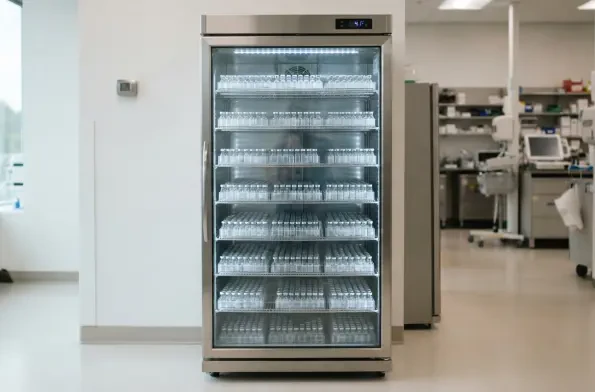
The quiet hum of a commercial refrigerator or the steady climate control of a medical storage facility has long been dismissed as mundane background noise of modern life, yet these very systems now represent some of the most precarious points of failure in the global digital landscape. As hackers pivot from the relatively contained world of data theft toward the more visceral arena of cyber-physical sabotage, cooling infrastructure has emerged as a high-value target for those seeking to inflict maximum tangible damage. This shift represents a fundamental evolution in threat modeling, where the goal is no longer just to compromise a database but to physically destroy perishable assets that sustain human health and economic stability. By exploiting the convergence of legacy hardware and modern internet-enabled controls, malicious actors are finding that they can cripple entire supply chains without ever setting foot in a warehouse or high-security facility. The vulnerability of these systems highlights a critical gap in current cybersecurity defenses across the globe.
The Targeted Spoilage of Essential Supplies
Impact: Commercial Retail and Public Health
Supermarket chains across Europe are currently grappling with a sustained and highly coordinated series of cyberattacks that target the core of their operational integrity. These attacks are specifically engineered to compromise building management systems, which are the centralized digital hubs responsible for regulating everything from lighting to the temperature of massive industrial freezer units. By gaining unauthorized access to these consoles, hackers are intentionally driving temperatures upward, resulting in the spoilage of millions of dollars’ worth of meat, produce, and dairy products. This is not a theoretical vulnerability but a daily operational crisis that has already cost retailers tens of millions in direct inventory losses and logistical remediation. The precision of these infiltrations suggests that the perpetrators possess a deep understanding of industrial automation protocols, using this knowledge to turn routine efficiency tools into weapons of economic disruption.
Strategic Sabotage: National Security Concerns
The danger escalates significantly when these tactics are applied to the healthcare sector, where maintaining a precise cold chain is essential for the viability of life-saving medical supplies. Recent reports indicate that blood banks and plasma storage centers have been increasingly targeted by similar digital intrusions, placing the integrity of the medical supply chain at severe risk. Unlike a retail environment where spoilage results in financial loss, a temperature fluctuation in a blood bank can have fatal consequences for patients. Security administrators have had to intervene manually in several high-stakes instances to override compromised systems and salvage critical materials before they reached unsafe thresholds. These events suggest that state-sponsored actors are testing the limits of infrastructure resilience, identifying weak points in logistics that could be exploited during times of heightened geopolitical tension or conflict.
Strategic Sabotage and Domestic Exploitation
Risks: Home Network Exploitation and Botnets
On the domestic front, the proliferation of smart refrigerators and connected home appliances has extended the perimeter of cyber risk into the private lives of individual citizens. While a compromised home fridge may seem like a minor inconvenience, hackers often exploit these devices as entry points into larger home networks or recruit them into massive botnets. These zombie appliances are injected with malware that allows them to perform background tasks, such as launching distributed denial-of-service attacks against global corporate or government servers, all while continuing to function normally for the user. In other instances, these attacks take the form of targeted harassment or hacktivism, where an individual’s appliance is remotely manipulated to cause personal financial loss or psychological stress. This domestic vulnerability underscores the inherent danger of prioritizing connectivity over security in the consumer electronics market.
Analysis: The Absence of Financial Incentives
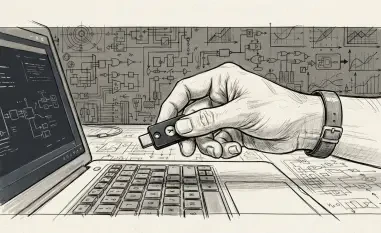
Addressing these vulnerabilities required a comprehensive overhaul of both industrial and domestic security standards to prevent further systemic collapses. Organizations moved toward air-gapping critical cooling controls and implementing multi-factor authentication for every access point within building management systems. Engineers integrated advanced anomaly detection software that utilized machine learning to differentiate between legitimate maintenance cycles and malicious temperature overrides in real-time. For the consumer market, manufacturers began prioritizing long-term security patches and mandatory firewall configurations for all internet-enabled appliances. Law enforcement agencies also intensified international cooperation to track the digital signatures of state-sponsored actors, treating infrastructure sabotage with the same severity as physical terrorism. This proactive approach established a resilient foundation that protected the economy from the invisible threats of the era.