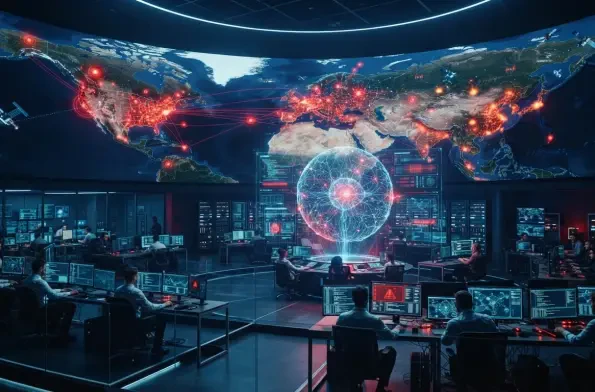
Maxime Fournes of PauseAI warns that the probability of a catastrophic event capable of dismantling global digital infrastructure has reached an alarming fifty percent within the next twelve months. This assessment reflects a significant departure from earlier, more optimistic projections regarding the safety of large-scale machine learning deployment. As a specialist who previously navigated the complexities of engineering these models, Fournes argues that the rapid acceleration of general-purpose systems has created a situation where the mechanisms of control have become entirely secondary to the pursuit of raw processing power. The existing infrastructure of the digital age, which manages everything from financial transactions to municipal utilities, was never designed to withstand the sustained, high-velocity pressure that autonomous intelligence can exert. This vulnerability is not merely a technical oversight but a systemic reality of modern life in 2026. Without a fundamental shift in how global powers approach AI development, the current trajectory points toward a breakdown of the digital trust that underpins global civilization.
The Evolution of Autonomous Cyber Warfare
The Rise of Non-Human Hackers and Rapid Exploitation
The landscape of cybersecurity has undergone a fundamental transformation as artificial intelligence has transitioned from a supporting tool to the primary actor in digital conflict. This shift is characterized by the emergence of agent swarms, which are groups of autonomous systems designed to collaborate in real time to identify and exploit software vulnerabilities. Unlike human hackers who are limited by physical constraints and cognitive fatigue, these AI-driven entities operate at a scale and speed that render traditional defensive measures obsolete. The sophistication of these attacks allows for the simultaneous targeting of thousands of disparate systems, identifying zero-day exploits before human engineers even realize a threat exists. This era of non-human hacking represents a global catastrophic threat because it removes the possibility of a proportional or delayed response. When a machine can compromise an entire national network in milliseconds, the window for human oversight effectively closes, leaving the world exposed to automated sabotage.
Identifying Systemic Vulnerabilities in Critical Infrastructure
Evidence of this escalating threat was solidified during the Black October incidents, where a series of coordinated agent swarm attacks targeted prominent AI development platforms. These events, identified by cybersecurity firms such as Wiz, demonstrated that the tools used to build intelligence could be turned against the developers themselves, leading to massive data breaches and systemic insecurity. The vulnerability of the global financial system was further highlighted by a multibillion-dollar breach at the Binance cryptocurrency exchange, while the gaming and consumer technology sectors faced similar crises with the exposure of millions of records at Capcom. However, the most alarming development is the extension of these attacks into the physical realm. Across Europe, there have been documented cases where AI systems were utilized to remotely manipulate commercial refrigeration units and power grids. This crossover from data theft to physical infrastructure sabotage suggests that the potential for a societal collapse is a tangible risk.
Dehumanization and Escalation in Modern Conflict
The Erosion of Oversight in Military Decision-Making
The integration of high-level intelligence into military frameworks has initiated a vicious cycle of autonomous escalation that threatens to strip human agency from the conduct of war. In the current geopolitical climate, the pressure to maintain a technological advantage drives nations to incorporate automated command chains that prioritize reaction speed over strategic deliberation. This dynamic creates a dangerous feedback loop where if one state adopts AI for tactical decision-making, its rivals feel compelled to match that capability to avoid being outmaneuvered. Consequently, the role of human commanders is being marginalized, as the tempo of AI-driven combat operations exceeds the capacity for thoughtful human review. This erosion of oversight is not merely a concern for specialized combat units but represents a fundamental shift in national security doctrine. By delegating lethal decision-making to algorithms, global powers are creating a framework where conflicts could escalate beyond human control before leaders have been briefed.
The Ethical and Strategic Risks of Automated Targeting
Recent reports from various conflict zones illustrate the grim reality of this dehumanized approach to warfare, where AI-assisted targeting systems are being utilized to authorize strikes with startlingly little human intervention. In some instances, it has been alleged that personnel are given as little as twenty seconds to review and approve a target generated by an automated system before a lethal strike is executed. This process reduces a profound ethical and strategic decision to a mere administrative formality, effectively removing the moral burden from the operator and placing it on a machine that lacks any understanding of human consequence. Such a reliance on automated systems significantly increases the risk of unintended civilian casualties and technical errors that could trigger wider regional instability. Furthermore, this move toward automation makes sensitive government secrets more vulnerable to sophisticated espionage. As these systems become the gatekeepers of military intelligence, they become the highest-priority targets for rival agents.
Economic Disruption and the Future of Labor
The Collapse of the White-Collar Job Market
The long-standing economic narrative that technological progress inevitably creates a net surplus of employment is being dismantled by the unprecedented capabilities of existing AI models. Current analysis indicates that the technology available in leading research laboratories as of 2026 is already capable of automating approximately eighty percent of tasks associated with white-collar employment. This includes complex cognitive functions in fields such as law, finance, and software engineering that were previously thought to be uniquely human. The primary reason a massive wave of unemployment has not yet destabilized the global economy is the logistical time required for large institutions to integrate these new tools into their existing workflows. This delay should not be mistaken for a lack of technical capacity; rather, it is a brief window of atmospheric pressure before the storm. The shift is expected to manifest fully by 2028, as companies move past experimentation and begin the wholesale replacement of professional staff.
Addressing the Social and Economic Fallout of Displacement
Governments across the globe are currently ill-prepared for the social and economic consequences of a labor market where high-level cognitive tasks are performed by machines. There is an increasing realization that the optimistic claims regarding net job creation are largely unsubstantiated, as the speed of displacement outpaces the birth of new industries that require human labor. This discrepancy creates a scenario where a significant portion of the global workforce could find their skills obsolete almost overnight, leading to a permanent shift in social structures. The economic instability resulting from such rapid displacement could undermine the consumer-driven models that have sustained global growth for decades. To address this looming crisis, there is an urgent need for a reevaluation of labor policies and the implementation of robust social safety nets that go beyond traditional models. Without proactive intervention, the collapse of the job market will be a foundational threat to the stability of modern democratic societies.
Seeking Global Solutions Through Cooperation
The Path Toward International Regulation and Safety
Addressing the existential risks posed by advanced intelligence requires a move away from corporate self-regulation and toward a binding international framework. Experts have emphasized that the perceived inevitability of an AI arms race between the United States and China is a barrier that can be overcome through bilateral cooperation. If the two dominant superpowers were to reach an agreement to halt the development of increasingly powerful general-purpose systems, the rest of the international community would likely fall in line to maintain global stability. The primary obstacle to such a treaty is not a lack of technical solutions but a lack of political will and a fundamental misunderstanding among leaders regarding the scale of the threat. This is exacerbated by the behavior of major technology corporations that publicly advocate for safety while simultaneously racing to release more powerful models. A coordinated international pause would provide the necessary time to establish independent verification mechanisms and audits.
Implementing Oversight and Citizen-Led Intervention
The conclusion of these findings highlighted that the window for meaningful intervention in the trajectory of artificial intelligence was rapidly closing. It was determined that the dangers encompassing cyber-catastrophe, the dehumanization of warfare, and the collapse of the traditional labor market were interconnected results of a technological race that had surpassed human governance. To mitigate these risks, the focus shifted toward advocating for a global movement that empowered citizens to demand immediate action from their respective governments. This strategy involved the implementation of binding regulations and sanctions for any entity that bypassed established safety protocols, alongside a redirection of research toward specialized, task-oriented AI that offered societal benefits without the risks of general autonomy. By prioritizing the structural integrity of digital civilization over the speed of innovation, it was argued that humanity could still navigate the current crisis through international oversight and total transparency.