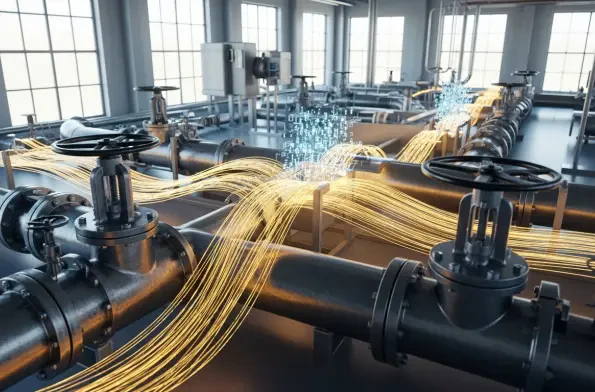
The digital integrity of the American water infrastructure has transitioned from a theoretical concern into a persistent theater of conflict where foreign state actors actively probe for entry points into municipal systems. Throughout the current year, dozens of facilities across the United States have experienced unauthorized intrusions that compromised operational technology responsible for maintaining the safety of drinking water. These incidents are not merely isolated prankster events but are part of a coordinated effort by adversaries, specifically groups linked to the Iranian government, to exploit the interconnected nature of modern utility management. As these digital assaults grow in frequency, the vulnerability of the nation’s 150,000 public water systems has become a central focus for national security agencies. This growing pressure has sparked an intense debate in Washington about whether strict federal oversight or collaborative industry standards provide the most effective path forward for ensuring that our taps continue to flow with safe and reliable water.
Identifying Technical Vulnerabilities: The Threat of Foreign Incursion
Many of the most recent breaches have been traced directly to Iranian-backed hacker groups targeting operational technology, which includes the physical pumps, valves, and chemical sensors that keep our water safe. While these attacks appear high-tech, experts frequently note that the methods employed by these adversaries are surprisingly elementary rather than highly sophisticated. Hackers are not always looking for zero-day vulnerabilities in proprietary code; instead, they are looking for the “low-hanging fruit” found in legacy systems. This includes internet-connected industrial control devices that still operate with the same default passwords assigned at the factory years ago. Furthermore, many utility systems lack fundamental network segmentations, meaning a breach in a generic business office computer could potentially grant access to chemical controls. These basic security failures represent a systemic neglect of digital hygiene that has persisted despite years of warnings from cybersecurity professionals who have urged more robust defense.
These systemic failures have already manifested in real-world consequences, such as the temporary shutdown of water treatment systems in several small towns and the subsequent issuance of precautionary boil-water notices. While no catastrophic chemical contamination has been reported during the latest wave of intrusions, the ease with which foreign actors bypassed existing defenses suggests a dangerous trajectory for national security. Cybersecurity professionals emphasize that most of these incidents were entirely preventable had basic security protocols, such as multi-factor authentication and firewalls, been properly implemented. The reality is that many water systems were built for reliability and physical safety without considering the risks of being connected to a global network. This oversight has created an environment where an adversary thousands of miles away can manipulate local infrastructure with a few keystrokes. As the threat environment expands, the reliance on outdated technology and lax security practices continues to invite aggression from hostile actors.
Evaluating Legislative Frameworks: Federal Oversight Versus Industry Standards
The legislative response to these threats is currently divided into two primary philosophies, starting with a top-down regulatory approach championed by those who believe the voluntary model is dead. The Water Cyber Shield Act represents this perspective by seeking to grant the Environmental Protection Agency explicit authority to oversee cybersecurity within the water sector. This bill would require utilities to undergo mandatory, regular evaluations and adhere to a strict set of federal guidelines designed to harden systems against foreign threats. Proponents argue that the current patchwork of voluntary standards has failed to protect the public and that a strong federal hand is necessary to ensure a consistent baseline of protection across all states. They point out that well-funded foreign adversaries operate with a level of coordination that individual small-town utilities cannot match without standardized national protocols. By centralizing authority, supporters believe the government can more efficiently deploy resources and intel.
Alternatively, a significant number of lawmakers advocate for a “bottom-up” model through the Water Risk and Resilience Organization Establishment Act, which emphasizes industry-led leadership. This proposal seeks to create an independent, self-regulatory body composed of water industry experts who would develop and enforce security standards, much like the model used to protect the nation’s electric grid. Supporters of this approach believe it ensures that standards are technically practical, grounded in real-world engineering, and manageable for utilities of varying sizes to implement. They argue that a federal agency like the EPA may lack the specific technical expertise to mandate realistic cybersecurity measures without accidentally hindering the essential operations of water treatment. However, critics of this industry-led model worry that it might prioritize the convenience of the utility companies over the most rigorous security needs of the general public. They fear that a self-regulatory body could become susceptible to industry lobbying.
Addressing Economic Realities: The Crisis of Rural Water Infrastructure
Building on the tension between these two models, a major obstacle to any meaningful security reform is the precarious financial state of the nation’s 150,000 water providers, the vast majority of which are small, rural systems serving limited populations. These entities often operate on extremely tight budgets with very few staff members, making it nearly impossible for them to afford expensive software upgrades or specialized cybersecurity personnel. In many cases, these utilities are running on technology that is decades old and inherently difficult to secure against modern digital threats that evolve on a weekly basis. For a small town with a few hundred residents, the cost of hiring a full-time cybersecurity analyst or purchasing advanced intrusion detection systems is simply out of reach without significant external assistance. The personnel at these facilities are experts in mechanical engineering but may have little training in identifying phishing attempts. This expertise gap leaves them particularly vulnerable to the types of simple attacks that are currently trending among foreign hacker collectives.
There is a growing consensus that regulation alone will not solve the problem if small towns lack the technical and financial capacity to comply with new federal or industry mandates. To address this, some lawmakers are pushing for bipartisan measures that would allow the Environmental Protection Agency to repurpose existing infrastructure funds specifically for cybersecurity training and rural grants. The goal is to provide these smaller providers with the critical resources they need to fix vulnerabilities without forcing them to pass the high costs of compliance onto price-sensitive local ratepayers. By funding third-party audits and providing standardized security software at no cost to the utilities, the government could significantly close the gap between large metropolitan systems and their rural counterparts. Such financial support is seen as a prerequisite for any new security standards, as unfunded mandates could lead to local tax hikes or the neglect of other critical maintenance. This economic support is essential for a resilient national defense.
Closing the Collaboration Gap: Information Sharing and Industry Friction
Efforts to coordinate a national defense against cyber threats are further complicated by the alarmingly low participation in existing information-sharing programs designed to track adversary behavior. The primary hub for threat intelligence in the industry, the Water Information Sharing and Analysis Center, currently includes less than 1 percent of the nation’s water utilities within its membership. Because participation is voluntary and often involves a membership fee, many of the most vulnerable systems remain isolated from the latest security warnings and technical best practices shared by federal agencies. This isolation creates a blind spot for national security experts who rely on data from the field to understand how adversaries are evolving their tactics and techniques. Without a broader network of participants, the industry lacks the collective immunity that comes from shared knowledge and rapid response coordination. Many utility managers view these programs as an additional administrative burden, which creates a significant hurdle for security.
This lack of participation is mirrored by internal disagreements among industry trade groups, which also continue to slow down the progress of federal policy and the implementation of a unified security standard across the various states. While some organizations support the creation of a new self-regulatory body to oversee digital safety, others fear that adding another layer of bureaucracy will only complicate an already difficult situation. These groups argue that the federal government should focus on providing direct technical assistance and education rather than creating new regulatory entities that might be difficult and time-consuming to establish. There is also a concern that new layers of oversight could lead to conflicting requirements from different government agencies, leaving utility operators confused about which guidelines they must follow. This friction highlights the difficulty of aligning thousands of independent entities under a single protective umbrella while respecting the autonomy of local governments. As these debates continue, digital adversaries continue to refine their offensive capabilities.
Developing a Resilient Path: Actionable Strategies for the Near Term
The recent wave of intrusions served as a critical wake-up call for the entire utility sector, proving that even the most localized water system is a potential target for international conflict. In response, several regions began exploring decentralized security models where larger metropolitan utilities provided technical mentorship and monitoring services to the smaller surrounding systems. This “hub-and-spoke” model allowed for a more efficient distribution of expertise and significantly lowered the barrier to entry for rural towns struggling with digital hygiene. Additionally, the integration of physical “kill switches” that bypass digital controls was prioritized as a low-tech but high-impact fail-safe against remote manipulation. These manual overrides ensured that even if a network was completely compromised, local operators could still maintain basic functionality and safety through physical intervention. By focusing on these practical solutions, the industry shifted toward a more realistic posture that balanced connectivity with old-school safety.
Looking ahead, the priority for water safety resided in the establishment of a dedicated federal cybersecurity fund that detached security spending from the fluctuating general operating budgets of local towns. Legislators recognized that cybersecurity was no longer an optional IT cost but a fundamental component of public safety equivalent to chlorine treatment or structural dam integrity. Encouraging utilities to adopt a “security by design” mindset for all new infrastructure projects became the standard, ensuring that every pump or sensor installed met rigorous encryption criteria. Furthermore, the expansion of free, automated vulnerability scanning services offered by the government helped smaller utilities identify and patch holes before they could be exploited by foreign actors. By combining these technical improvements with a renewed focus on regional collaboration and sustained federal investment, the nation began the arduous process of insulating its most vital resource. These collective actions represented the shift toward a disciplined and enduring national defense.