In a world where digital borders are increasingly blurred by the reach of cybercriminals, a coordinated international strike has finally brought one of the most prolific ransomware syndicates to its knees. The September 30, 2024, operation against the KillSec syndicate was far more than a routine law enforcement action; it represented a surgical strike that successfully neutralized a digital predator responsible for more than 1,000 global cyberattacks. While the typical teenager might be navigating the complexities of secondary education, the alleged mastermind behind this operation was a 16-year-old in Alicante, Spain, who managed a sprawling criminal enterprise. This individual controlled the infrastructure that held sensitive data from major organizations hostage for million-dollar ransoms. By the conclusion of the raid, an international coalition had seized 110 terabytes of data and silenced the heartbeat of an organization that breached at least 500 high-value targets.
The story of KillSec is not merely about the arrest of a few individuals; it is a narrative that highlights the professionalization of modern cybercrime. It bridges the gap between traditional police work and high-level digital forensics, proving that the anonymity of the dark web is a fragile shield. As the investigation unfolded, it became clear that the group had moved beyond simple disruption, evolving into a highly organized entity that treated extortion as a scalable business model. This case serves as a definitive marker for how global authorities now approach the growing intersection of youth, technology, and organized crime.
The Digital Takedown That Bridged Continents
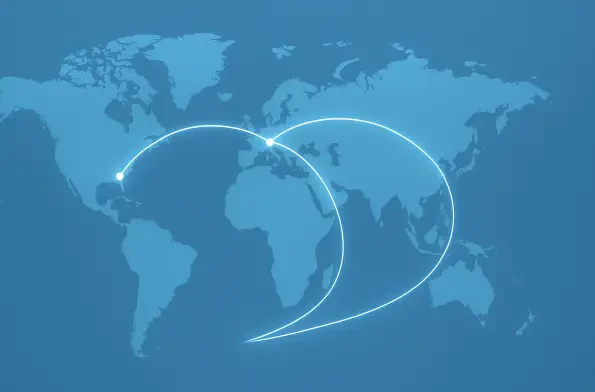
The execution of the takedown required a level of international cooperation rarely seen in digital investigations, involving agencies from Spain, Germany, Romania, and the United States. While the primary administrator was apprehended in Spain, the reach of the operation extended to the United Kingdom and Romania, where secondary suspects in their early 20s were detained. This multi-pronged approach ensured that the group could not simply migrate their operations to a backup server in another jurisdiction. The involvement of the FBI’s San Juan office and U.S. prosecutors in Puerto Rico underscored the group’s global impact, particularly regarding their attacks on critical infrastructure within American territories.
Beyond the physical arrests, the digital component of the takedown was equally massive, resulting in the dismantling of the syndicate’s primary communications and data storage network. Police forces targeted five critical servers that functioned as the storage vaults for stolen information and the platform for their public leak site. By securing 110 terabytes of data, investigators not only gathered evidence for prosecution but also prevented the further victimization of hundreds of companies whose data was slated for public release. This logistical victory effectively severed the connection between the criminals and their leverage over victims.
Why the KillSec Collapse Reshapes the Cybersecurity Landscape
The fall of KillSec marks a significant evolution in the threat landscape, particularly as it relates to the transition from hacktivism to pure financial extortion. Originally emerging as a group focused on ideological disruption, KillSec quickly pivoted toward a “double extortion” model. In this strategy, the traditional method of simply encrypting files is replaced or supplemented by the theft of sensitive information. Even if a victim has perfect backups and can restore their systems without paying a ransom, the threat of a public data dump remains a potent weapon. This shift has forced organizations to rethink their defensive strategies, focusing more on data privacy than just system availability.
Furthermore, the case highlights the democratization of cybercrime through the “Ransomware-as-a-Service” model. KillSec did not act alone; they provided the tools and the platform for affiliates to conduct their own strikes, taking a percentage of the profits in return. This structure allowed a small core of developers and administrators to amplify their reach exponentially. The successful dismantling of such a central hub sends a powerful message to the global underground: the infrastructure supporting these affiliates is vulnerable, and the authorities are increasingly capable of mapping the complex relationships that define modern cybercriminal networks.
Dissecting the Syndicate: Structure, Tools, and AI Integration
At the heart of the syndicate was a highly efficient organizational structure that mirrored the operations of a legitimate software company. The group was divided into specialized roles, including administrators who oversaw the strategic direction, developers who crafted the malicious code, and negotiators who spoke directly with the victims to finalize ransom amounts. This division of labor allowed each member to hone their specific skills, making the group significantly more dangerous than a standard unorganized hacking collective. Their ability to manage a wide network of affiliates further demonstrated their operational maturity.
Innovation was a hallmark of KillSec’s methodology, most notably through their early adoption of Artificial Intelligence to streamline their criminal activities. Investigators discovered that the group used AI to automate the creation of their digital infrastructure, allowing them to spin up new servers and deployment platforms with minimal manual effort. Additionally, AI was used to scan for vulnerabilities in cloud storage systems and identify high-value targets with a level of precision that traditional automated tools could not match. By combining these advanced technologies with credentials purchased on the dark web, they could bypass traditional security perimeters with alarming ease.
Voices of Authority: Insights from the Global Investigation
The successful identification of the suspects was a masterclass in modern detective work, starting with the most minute digital breadcrumbs. According to reports from Germany’s Hamburg Police and Spain’s Guardia Civil, the investigation gained significant momentum when a single profile image used by the administrator was traced through a series of interconnected online accounts. This breakthrough allowed forensic experts to map the individual’s physical location and real-world identity. Private-sector security firms played a supporting role, providing the technical intelligence needed to identify the exact IP addresses of the group’s command-and-control servers.
Europol officials emphasized that the financial evidence recovered during the raids provided the final piece of the puzzle. By seizing cryptocurrency wallets and hardware devices, the authorities were able to create a direct link between the suspects and specific ransom payments made by victims. This “paper trail” of digital currency proved that the group’s motives had shifted entirely to financial gain, contradicting any lingering claims of hacktivist intent. The collaboration between local police and international bodies ensured that the evidence gathered was robust enough to withstand the legal scrutiny of multiple different judicial systems.
Defending Against the Next Generation of Ransomware
The dismantling of the KillSec syndicate provided a blueprint for future defensive strategies. Law enforcement agencies proved that international boundaries could be overcome through technical cooperation, while security professionals recognized that AI-driven threats required a more agile response. Organizations were urged to shift their focus toward identity protection and data exfiltration monitoring as primary lines of defense. The case demonstrated that age was no barrier to criminal sophistication, leading to calls for better educational outreach and early intervention for technically gifted individuals.
Moving forward, the focus for global enterprises must remain on neutralizing the utility of stolen data and credentials. Implementing a zero-trust architecture and strict multi-factor authentication was identified as the most effective way to render leaked logins useless. Additionally, the adoption of automated vulnerability management tools allowed companies to keep pace with the speed of AI-assisted attackers from 2026 to 2030 and beyond. By sharing threat intelligence within the private sector and cooperating with international law enforcement, the global community established a stronger front against the evolving tactics of ransomware syndicates.