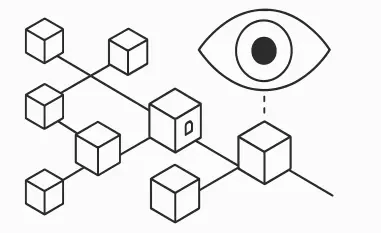
The digital keys opening contemporary hotel suites provide a seamless entry for weary travelers while simultaneously offering a wide-open gateway for invisible adversaries waiting to exploit every byte of unprotected personal information within the property network. Within the expansive hospitality ecosystem, encompassing lodging, food and beverage, and recreation, brands operate as high-value targets for global cybercriminals due to the sheer volume of financial and personal data processed hourly. The fundamental challenge lies in the fact that these businesses are no longer just service providers but have evolved into massive data repositories that must function with the efficiency of a technology firm while maintaining the warmth of a traditional front desk. Consequently, the intersection of guest comfort and digital safety has become the primary battleground for operational stability in the current market environment.
Modern hospitality infrastructure relies heavily on a complex web of interconnected systems that manage everything from property reservations to inventory control. Contactless check-ins and cloud-based property management systems represent the backbone of this digital transformation, allowing for streamlined operations that guests now expect as a minimum standard. However, this reliance on external servers and mobile applications introduces significant technical vulnerabilities that did not exist in the era of physical registration ledgers. As properties integrate more guest-facing technologies to enhance the stay experience, they simultaneously expand their attack surface, making it increasingly difficult for internal IT departments to monitor every potential entry point.
The technological influence of high-speed guest Wi-Fi and the pervasive adoption of Internet of Things connectivity further complicates the defensive posture of major market players. Every smart thermostat, voice-activated assistant, and connected television serves as a potential node for unauthorized access if the underlying network is not properly segmented. In many cases, the demand for frictionless connectivity leads to security oversights where guest networks and corporate back-office systems are insufficiently isolated from one another. This architectural proximity allows a single compromised device in a guest room to serve as a bridge into the sensitive databases containing credit card information and identity documents.
Furthermore, the hospitality sector must navigate the dual pressure of maintaining a welcoming physical environment while enforcing strict digital boundaries. Unlike a financial institution where security is expected to be visible and rigid, a hotel must keep its digital defenses invisible to ensure that the guest experience remains relaxed and unburdened. This paradox requires a sophisticated approach to infrastructure management where security protocols operate silently in the background, leveraging automated detection and response tools to mitigate threats before they impact the service delivery. Achieving this balance is the hallmark of a resilient brand that understands the modern definition of guest safety.
Analyzing the 2026 Threat Landscape and Market Dynamics
Emerging Cyber Trends and the Evolution of Modern Attack Vectors
The current threat landscape is characterized by a significant shift toward sophisticated spear-phishing and AI-enabled social engineering tactics that exploit the service-oriented nature of hospitality staff. Malicious actors now utilize generative technologies to craft highly convincing messages that mimic the communication style of corporate executives or trusted vendors, making it difficult for even well-trained employees to distinguish between legitimate requests and fraudulent ones. These attacks often target front-desk personnel or event planners who are conditioned to be helpful and responsive, leveraging human psychology as a primary method for gaining initial access to restricted networks.
Ransomware has evolved into a “double extortion” model where attackers not only encrypt vital business data but also threaten to release sensitive guest information publicly if payment is not received. This trend is particularly damaging for hospitality brands where the loss of consumer trust is often more expensive than the immediate financial cost of the ransom itself. When operational systems like property management tools or electronic locking systems are held hostage, the business faces total paralysis, unable to check in new guests or process billing for those departing. The increasing frequency of these attacks highlights a professionalized criminal industry that views the hospitality sector as a reliable source of high-payout opportunities.
Consumer demand for “smart” room controls and frictionless mobile experiences has created a broader and more complex attack surface that traditional security measures struggle to cover. As travelers increasingly use personal devices to control lighting, climate, and entertainment systems via property-specific apps, the potential for cross-platform infection grows exponentially. This shift in behavior necessitates a transition toward identity-centric security models where access is granted based on verified user credentials rather than simple network proximity. Brands that fail to adapt their monitoring capabilities to this mobile-first reality risk leaving their most valuable digital assets exposed to automated adversary tactics.
Assessing Economic Indicators and the Financial Reality of Data Breaches
Financial performance indicators within the industry reveal a sobering reality, as current market data suggests that nearly 31 percent of hospitality businesses have suffered a significant data breach. More alarming is the high rate of repeat attacks, with research indicating that a vast majority of breached entities experience subsequent incidents within a relatively short timeframe. These statistics underscore a systemic weakness in the industry’s ability to remediate vulnerabilities fully after an initial event, often settling for temporary fixes rather than fundamental architectural changes. Consequently, the economic burden of cybersecurity has moved from a peripheral IT expense to a central concern for boards of directors and institutional investors.
The average cost per incident within the hospitality sector has reached approximately $3.4 million, a figure that includes legal fees, regulatory fines, forensic investigations, and the immediate loss of revenue during downtime. However, the long-term impact on brand equity is often much higher, as consumers are increasingly wary of entrusting their sensitive information to brands with a public history of data mismanagement. In an industry where loyalty programs and repeat bookings drive profitability, the reputational damage from a single high-profile breach can erode years of marketing investment and lead to a permanent loss of market share to more secure competitors.
In response to these escalating risks, there is a forward-looking trend toward the expansion of the cybersecurity workforce, with a 29 percent projected growth for security roles within the sector through 2034. This surge in demand reflects a realization among hospitality leaders that technical tools alone are insufficient without skilled human oversight to manage them effectively. The market is witnessing a significant increase in compensation for cybersecurity professionals who can bridge the gap between technical defense and hospitality management. This investment in human capital is becoming a key differentiator for brands looking to maintain operational resilience in an increasingly volatile digital economy.
Confronting Structural Vulnerabilities and Operational Bottlenecks
A significant obstacle in the current environment is the challenge of securing legacy systems while simultaneously integrating cutting-edge guest-facing technologies like digital keys and voice assistants. Many properties operate on aging hardware and software frameworks that were never designed to be connected to the public internet, yet they remain critical for daily functions such as accounting and guest history management. Attempting to wrap modern security layers around these “technical debt” systems often creates operational bottlenecks and performance issues that can frustrate both staff and guests. This conflict between the old and the new requires a phased modernization strategy that prioritizes the security of the most sensitive data flows.
The persistent “skills gap” remains a major hindrance to the implementation of complex security objectives across the global hospitality landscape. There is a notable shortage of qualified personnel who understand both the nuances of hotel operations and the technical requirements of advanced cybersecurity. This shortage often leads to a situation where properties have the necessary security software in place but lack the internal expertise to configure or monitor it correctly. Without a dedicated team to interpret the alerts generated by security systems, businesses frequently find themselves in a state of reactive firefighting rather than proactive risk mitigation, leaving them vulnerable to known threats that could have been prevented.
To overcome operational paralysis, brands are beginning to adopt systemic resilience planning that focuses on “least privilege” access protocols and regular, redundant data backups. By ensuring that employees only have access to the specific information required for their job functions, businesses can limit the “blast radius” of a potential compromise. Moreover, implementing automated recovery procedures allows properties to restore their core functions quickly in the event of a system failure or attack. This shift toward a resilience-first mindset acknowledges that while total prevention may be impossible, the ability to maintain services and protect data during a crisis is the true measure of a successful security strategy.
Decoding the Regulatory Framework and Compliance Mandates
The legal landscape surrounding Personally Identifiable Information has become increasingly stringent, reflecting an ethical mandate to protect guest sovereignty in a world of pervasive data collection. Hospitality brands must now navigate a complex patchwork of international and regional regulations that dictate how guest data is stored, processed, and shared. Failure to comply with these mandates results in not only massive financial penalties but also public scrutiny that can derail a brand’s expansion plans in key markets. This regulatory pressure is forcing a fundamental shift in how businesses view guest data, moving from an asset to be exploited toward a responsibility to be guarded with the utmost care.
Industry standards and frameworks, such as MITRE ATT&CK and specialized Security Information and Event Management (SIEM) tools, have become essential for maintaining regulatory compliance. These tools provide a standardized language for describing and defending against cyber threats, allowing hospitality security teams to align their efforts with global best practices. By mapping their defenses against known adversary techniques, brands can identify gaps in their security posture and demonstrate to regulators that they are taking a proactive approach to risk management. The adoption of these frameworks represents a maturing of the industry, as it moves away from ad-hoc security measures toward a more scientific and measurable defense strategy.
The evolution of security laws is influencing industry practices by forcing a change from a culture of reactive compliance to one of proactive risk management. Regulations are increasingly focused on the speed of breach notification and the transparency of data handling practices, requiring businesses to have robust incident response plans in place. This shift encourages brands to invest in continuous monitoring and real-time threat intelligence rather than simply checking boxes during an annual audit. Ultimately, the regulatory environment is acting as a catalyst for innovation, pushing hospitality brands to develop more secure and transparent digital ecosystems that benefit both the business and the traveler.
Pioneering the Future: AI Integration and Proactive Security Paradigms
Artificial Intelligence is emerging as a double-edged sword within the hospitality sector, serving as both a powerful defensive tool for threat detection and a weaponized medium for sophisticated malware. Defensive AI systems are now capable of analyzing massive amounts of network traffic in real-time, identifying subtle anomalies that might indicate a breach long before a human analyst would notice. These automated systems can instantly isolate a compromised device or block a suspicious connection, providing a level of speed and precision that is essential in the age of automated attacks. However, as criminals also adopt AI to find vulnerabilities, the technological race between attackers and defenders has reached a new level of intensity.
The adoption of “Zero Trust” architecture has become the gold standard for securing decentralized hotel networks and guest services. This security model operates on the principle that no user or device should be trusted by default, regardless of whether they are inside or outside the corporate network. In a hospitality context, this means that every request for data—whether from a housekeeper’s tablet or a guest’s smartphone—must be continuously verified and authorized. Zero Trust effectively eliminates the traditional “perimeter” defense, replacing it with a more granular and dynamic approach that is far better suited to the fluid and interconnected nature of modern travel.
Global economic conditions and the push for professional certifications are shaping the next generation of hospitality cybersecurity leaders. As brands look to optimize their security spending, there is an increasing emphasis on hiring individuals who possess recognized credentials and a deep understanding of the specific risks facing the industry. Educational pathways are evolving to meet this demand, with a focus on AI literacy and cloud security specifically tailored for the service sector. This focus on professionalization ensures that the industry has a steady pipeline of talent capable of navigating the complex technical and ethical challenges of the modern digital landscape.
Establishing a Resilient Security Culture for Sustainable Industry Growth
The examination of the current hospitality landscape revealed that the escalating cost of data breaches made a multi-layered defense strategy an absolute necessity for survival. The report identified that brands which prioritized digital safety as a core component of their value proposition experienced higher levels of guest retention and lower operational disruption. It was observed that the intersection of physical hospitality and digital infrastructure created unique risks that required more than just technical solutions; they demanded a fundamental shift in organizational culture. The analysis showed that the most successful brands were those that integrated security awareness into every level of the organization, from the boardroom to the housekeeping staff.
Strategic recommendations for the coming years emphasized the need for substantial investment in human capital, specifically focusing on AI literacy and continuous educational pathways for all employees. It was found that a well-informed workforce served as the most effective first line of defense against social engineering and phishing attempts. Furthermore, the report highlighted the importance of moving beyond basic compliance to adopt more advanced frameworks like Zero Trust and real-time automated monitoring. By investing in these areas, brands positioned themselves to handle the complexities of a decentralized and mobile-first guest experience while maintaining the high level of trust that the industry required.
The concluding viewpoint on the industry’s prospects suggested that digital safety transitioned from being a technical requirement to a fundamental component of the modern hospitality promise. The study concluded that as the industry continued to evolve, the distinction between “service” and “security” would eventually disappear, with both being viewed as essential aspects of guest care. Brands that successfully navigated these challenges created a sustainable foundation for growth, proving that a secure digital environment was the key to unlocking the full potential of hospitality innovation. Ultimately, the research indicated that the brands thriving in the current era were those that viewed cybersecurity not as a burden, but as a primary driver of long-term competitive advantage.
As businesses looked toward the future, the integration of security into the guest journey became a hallmark of premium service rather than an invisible back-office function. The findings suggested that travelers increasingly favored brands that were transparent about their data protection practices and offered secure, frictionless environments for their digital lives. This shift in consumer preference rewarded companies that had the foresight to invest in resilient architectures and a security-conscious culture early on. The report ended by noting that while the threats were significant and ever-evolving, the hospitality sector’s capacity for adaptation remained its greatest strength in ensuring a safe and prosperous digital future.