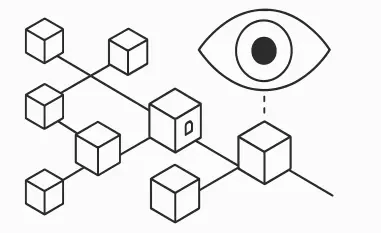
The traditional boundaries of cybersecurity have been fundamentally reshaped as autonomous systems now outpace human operators in identifying vulnerabilities across the global digital landscape. This evolution marks a transition from reactive defense toward a regime defined by continuous, automated observation. Historically, security teams relied on static signatures and post-incident analysis, which often left significant windows of opportunity for attackers. AI-driven hunting changes this dynamic by scanning environments in real time to locate weaknesses before they can be weaponized by malicious actors.
The Evolution of AI in Proactive Cyber Defense
Modern cybersecurity has shifted from manual log reviews to a sophisticated model of proactive discovery. This technology emerged from the need to manage the sheer volume of data generated by cloud-native environments, where traditional human oversight became physically impossible. By integrating machine learning at the core of security operations, organizations can now predict potential breach points rather than simply cleaning up after an intrusion.
Moreover, this shift represents a fundamental change in the technological landscape, moving toward a “secure by design” philosophy. The context of this evolution is rooted in the increasing sophistication of automated exploits. As attackers began using AI to find flaws, defenders were forced to adopt similar autonomous tools to maintain a balance of power. Consequently, proactive hunting has become a baseline requirement for any enterprise operating in a hyper-connected environment.
Core Technical Pillars of Modern Threat Hunting
Specialized Large Language Models for Vulnerability Analysis
At the heart of contemporary defense is the use of specialized models like Google’s Gemini 3.8 Flash Cyber. These systems are specifically trained on vast repositories of security research and code patterns, allowing them to identify nuanced flaws that generic AI models might overlook. By processing complex logic at scale, these LLMs provide a level of depth in code analysis that previously required weeks of manual auditing by high-level experts.
Autonomous Defensive Agents and Red Teaming Tools
Specialized agents, such as the Wiz Red Agent, take this analysis further by simulating actual adversary behavior within a safe environment. Rather than just identifying a vulnerability, these tools attempt to exploit it in a controlled manner to verify its severity and potential impact. This technical capability ensures that security teams prioritize the most dangerous flaws, effectively automating the role of a traditional red team and providing constant, high-fidelity testing of cloud defenses.
Automated API and Infrastructure Discovery
AI-driven mechanisms now automate the scanning of internet-facing assets, specifically focusing on the often-overlooked vulnerabilities in public APIs and cloud-native applications. These tools map an organization’s entire digital footprint, uncovering “shadow IT” and misconfigured assets that are invisible to traditional scanners. This automated discovery is crucial for securing the complex mesh of public websites and interconnected services that form the modern corporate infrastructure.
Current Trends and Industry Movements
The industry is currently witnessing an escalating “defensive race” where the speed of AI integration determines an organization’s survival. This movement has been heavily influenced by open-source initiatives and bug-finding competitions, such as those sponsored by DARPA. These public-interest projects have encouraged private firms to share their findings, fostering a collaborative environment that benefits the entire ecosystem. Furthermore, there is a clear shift toward prioritizing the protection of critical infrastructure, as governments recognize that digital failures in utilities or transportation can have devastating physical consequences.
Practical Applications and Real-World Impact
Real-world deployments, such as the “Scan for Good” initiative, have already demonstrated the profound impact of these tools by uncovering hundreds of critical vulnerabilities in essential services. In the healthcare sector, AI hunting has fixed remote-code-execution flaws that could have crippled hospital systems during emergencies. Similarly, railroad operators and national archives have utilized these tools to secure production databases and prevent unauthorized data deletion.
In contrast to traditional security measures, these AI-driven programs extend their reach into the private sector to protect sensitive consumer data. Major airlines and global sports organizations have successfully mitigated risks involving passenger booking info and passport details. These successes highlight how AI-driven hunting serves as a functional shield, protecting the data integrity of millions of individuals across diverse industries.
Navigating the Obstacles to Widespread Adoption
Despite these advancements, high resource requirements often leave under-funded organizations struggling to keep pace, creating a significant gap in global security. Technical hurdles also persist, particularly the challenge of minimizing false positives that can lead to alert fatigue among security personnel. Furthermore, the regulatory complexity of scanning sensitive or regulated infrastructure requires a delicate balance between security needs and privacy mandates.
Ongoing development efforts involve close collaboration between private firms and public agencies like CISA to create frameworks for transparent scanning. These partnerships aim to mitigate technical limitations by standardizing how AI tools interact with critical systems. By fostering an environment of research sharing, the industry hopes to lower the barrier to entry, ensuring that even smaller entities can benefit from advanced autonomous defenses.
The Future Landscape of Autonomous Security
The trajectory of this technology points toward the creation of self-healing digital ecosystems. In the coming years, security tools will likely progress from merely identifying flaws to autonomously patching them in real time without human intervention. This shift will be supported by collective intelligence networks that share anonymized threat data, allowing every connected system to learn from a single attempted breach elsewhere in the world.
Looking forward, the role of AI will be central to securing the foundational software that powers global commerce and communications. As these systems become more autonomous, the focus will shift toward ensuring the integrity of the AI models themselves. The long-term goal is a resilient digital environment where security is an inherent, self-adjusting property of the network rather than an external layer added as an afterthought.
Final Assessment and Conclusion
The deployment of AI-driven threat hunting effectively tilted the defensive balance back toward protectors by automating the discovery of critical vulnerabilities. Organizations that adopted these tools moved beyond reactive firefighting and established a posture of strategic resilience. By neutralizing threats like supply-chain attacks and exposed databases, the technology proved its worth as an essential component of modern infrastructure.
In the future, the primary focus should remain on the democratization of these tools to ensure that all sectors of society are equally protected. Stakeholders must prioritize the integration of AI-driven scanning into standard development lifecycles to prevent flaws from reaching production. Ultimately, the successful implementation of autonomous hunting became a cornerstone of global digital stability, proving that coordinated technology and transparency could overcome even the most sophisticated cyber threats.