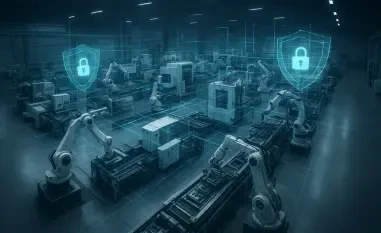
The rapid convergence of physical machinery and digital intelligence has turned traditional factory floors into the most critical battlegrounds of modern geopolitical and economic conflict. As industrial networks transition from isolated systems to interconnected digital environments, the stakes for operational technology security have reached a fever pitch. This transformation is currently defined by a massive shift toward consolidation, most notably marked by Accenture’s strategic investment of over four billion dollars. This reflects a growing industry recognition that protecting electricity grids and manufacturing hubs requires an integrated, professionalized defense infrastructure rather than a patchwork of disconnected solutions.
The Shift Toward Unified Industrial Defense Platforms
Market Growth and the Financial Drivers of Consolidation
The industrial cybersecurity market is experiencing a period of rapid financial expansion, moving decisively away from fragmented point solutions toward integrated platforms. Projections for the combined entities of market leaders suggest an annual recurring revenue of approximately $208 million by the middle of this year, representing a 53% year-over-year increase. This growth is fueled by a platform-led strategy, where large consulting firms acquire specialized startups to provide a one-stop security shop for industrial clients.
Moreover, as organizations face more complex threats, the demand for scalable, unified solutions is outpacing the adoption of individual security tools. The market is increasingly rewarding companies that can offer a holistic view of the threat landscape rather than those focusing on niche vulnerabilities. This consolidation is not merely about financial gain; it is a necessary response to the increasing scale and sophistication of cyberattacks targeting the foundations of global industry.
Case Study: Accenture’s Strategic Expansion into OT Security
Accenture’s acquisition of a majority stake in Dragos, alongside the full purchase of runZero and NetRise, serves as a landmark example of this industry consolidation. By merging Dragos’s threat detection capabilities with runZero’s advanced asset discovery and NetRise’s firmware visibility, a comprehensive defense ecosystem has been established. This move is a direct competitive response to other major industry shifts, such as ServiceNow’s acquisition of Armis, positioning the firm at the center of the operational technology security market.
These real-world applications demonstrate how service providers are creating end-to-end visibility that was previously impossible to achieve. By integrating specialized firms into a broader service portfolio, Accenture can provide asset-centric intelligence that covers everything from medical devices to heavy manufacturing machinery. This approach allows for a more coordinated response to incidents, as all security data is funneled through a single, unified oversight platform.
Expert Perspectives on the Evolving Security Landscape
Security professionals view this consolidation as a necessary evolution to counter sophisticated nation-state threats that target critical infrastructure. A significant factor in this trend is the migration of military-grade expertise into the private sector, as seen with the veteran founders of Dragos and NetRise who bring backgrounds in government cyber warfare. These leaders emphasize that modern defense requires a deep understanding of how physical systems behave under digital duress.
Furthermore, experts stress that while consolidation helps streamline defense, maintaining vendor neutrality remains critical for long-term success. Dragos, for instance, continues to operate as an independent entity to ensure trust across different industrial hardware providers. This balance between consolidated power and independent expertise is viewed as the only way to protect the supply chains and firmware that underpin modern civilization effectively.
The Future of Global Infrastructure Resilience
Moving forward, the landscape of industrial cybersecurity will likely be defined by a thinning of the herd, where only the most integrated platforms survive. We can expect more seamless protection across diverse sectors, including energy and healthcare, as the boundaries between IT and OT continue to blur. This integration promises to simplify management for operators who were previously overwhelmed by the sheer number of security alerts coming from different sources.
While consolidation offers the benefit of faster incident response, it also presents challenges regarding potential vendor lock-in and the need for continuous innovation. The industry must ensure that these dominant platforms remain agile enough to keep pace with evolving malware and new attack vectors. The long-term implication is a more resilient global infrastructure, but one that relies heavily on a few specialized players to maintain global safety standards.
Summary and the Path Forward for Industrial Cybersecurity
The consolidation of industrial cybersecurity represented a fundamental turning point in how critical systems were protected against external threats. Organizations that moved toward unified platforms were better equipped to handle the complexity of modern digital warfare. This shift emphasized that expert-led, comprehensive solutions provided a more stable foundation than isolated products could ever achieve.
Industrial operators learned that the future of security resided in deep integration and proactive asset management. By prioritizing platform-based defense, the industry established a higher standard for infrastructure resilience. Moving ahead, the focus shifted toward maintaining this visibility while fostering the next generation of specialized security talent to guard the digital-physical divide.