The modern geopolitical landscape relies less on the physical thickness of armor plating and more on the silent, persistent integrity of software code that governs critical infrastructure and defense systems deployed across the globe. While the tech industry historically focused on the creation of new, secure code through shifting security to the left of the development cycle, a dangerous gap remained regarding the vast amount of software already in operation. This installed base of assets represents the backbone of national security, yet it often lacks the inherent protections found in modern, cloud-native applications. Consequently, the industry is witnessing a strategic pivot toward Operational Software Assurance (OSA) to address the persistent vulnerabilities within fielded systems.
Safeguarding the Digital Frontline: The Rise of Operational Software Assurance
The transition from software development to deployment marks a critical phase where theoretical security meets the harsh realities of the operational environment. In the past, security measures largely focused on the pre-deployment phase, assuming that code deemed secure at the time of release would remain protected throughout its lifecycle. However, the lifespan of critical infrastructure assets often spans decades, far outlasting the security protocols available at their inception. This reality has necessitated a shift in focus from merely creating secure software to ensuring the long-term integrity of the software that is already powering mission-critical operations.
Defining the OSA frontier involves establishing a link between secure coding practices and the continuous protection of assets that cannot be easily updated or replaced. Operational Software Assurance serves as a comprehensive framework for maintaining the resilience of these systems while they are active in the field. This approach acknowledges that once software enters the operational phase, it faces a different set of threats that require specialized runtime protections. By securing the binary code as it executes, organizations can provide a shield that remains effective even when new vulnerabilities are discovered in the underlying code.
This mandate for software integrity is not limited to a single industry; it is a multi-sector necessity that impacts defense systems, power grids, medical devices, and industrial automation. Each of these sectors relies on embedded software that, if compromised, could lead to catastrophic physical consequences. The philosophy of a digital Golden Dome applies here, suggesting that the physical world must be protected by hardening the underlying software that controls the most sensitive assets. Hardening these assets creates a resilient environment where the software itself becomes a line of defense against adversarial interference.
Evolution of Defense: Market Dynamics and the AI Influence
Forces Reshaping the Cybersecurity Landscape
The current cybersecurity landscape is being fundamentally altered by the paradox of artificial intelligence exploitation. Machine-speed vulnerability discovery has enabled adversaries to scan and identify weaknesses in software faster than human-led patching cycles can respond. In this environment, the traditional model of reactive patching and redeployment is no longer sufficient to maintain a strong defense. The speed at which new exploits are developed requires a corresponding shift in defense strategies toward automated, runtime protections that can neutralize threats without manual intervention.
Furthermore, there is a growing preference for security solutions that operate on compiled binaries rather than requiring access to original source code. This shift is practical, as many organizations rely on third-party software or legacy systems where the source code is unavailable or difficult to modify. By applying protections directly to the binaries, defenders can secure their systems without waiting for manufacturer patches or undertaking complex re-coding efforts. This evolution in strategy draws heavily from defense-grade research and initiatives that were originally designed for high-stakes military applications.
Market Projections and the Cost of Vulnerability
The financial stakes of this shift are massive, with the U.S. defense sector alone representing a significant portion of the demand for software hardening. From 2026 to 2027, the scale of procurement programs requiring immediate runtime protection is expected to grow, as billions of dollars are allocated toward ensuring the resilience of mission-critical platforms. Analyzing the current budget requests reveals that nearly $160 billion in defense programs will fall under the scope of enhanced software assurance requirements by the 2027 fiscal year. This investment reflects a consensus that software vulnerability is a top-tier national security risk.
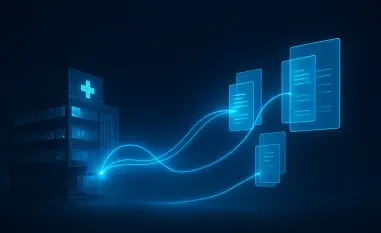
This demand is quickly expanding into civilian infrastructure as legacy systems in energy, healthcare, and transportation become high-value targets for cyberattacks. As these sectors undergo digital transformation, the need for performance benchmarks for resilience becomes paramount. Stakeholders are increasingly looking for ways to quantify the effectiveness of embedded runtime security in neutralizing exploitation attempts. Projections suggest that the adoption of OSA tools will accelerate as organizations seek to protect their investments in legacy infrastructure from the growing threat of AI-driven cyber warfare.
Navigating the Technical and Operational Hurdles of Legacy Systems
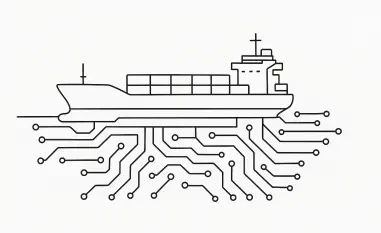
The dilemma of “rip and replace” presents a significant hurdle for organizations managing trillion-dollar legacy software environments. Replacing these systems is often financially and logistically impossible, especially when they are integrated into complex infrastructure like power grids or naval vessels. Consequently, the focus has shifted toward extending the secure life of existing assets through innovative hardening techniques. This approach allows organizations to maintain their current operational capacity while significantly reducing the risk of a successful cyberattack.
Closing the gap between reachable and non-reachable vulnerabilities is a key component of this strategy. By identifying which parts of a compiled firmware are actually exploitable, security teams can prioritize their efforts on the most critical threats. This precision is essential for maintaining mission-critical operations, as it allows for the implementation of security measures without disrupting the core functions of the system. Implementing mathematical and operational barriers within the software execution environment makes exploitation prohibitively difficult for adversaries, effectively neutralizing their technical advantage.
The Regulatory Framework for National Resilience
Federal mandates, such as the National Security Science and Technology Strategy, are elevating software assurance to a foundational pillar of homeland defense. These policies recognize that the security of the nation is inextricably linked to the resilience of the software that controls its most vital systems. As a result, the compliance mandate is moving beyond the simple provision of a Software Bill of Materials toward the requirement for continuous assurance evidence. Organizations must now provide verified artifacts that demonstrate their software remains protected throughout its entire operational lifecycle.
Meeting these rigorous military and aerospace certification requirements often involves integration with secure repositories and specialized deployment environments. Standards for mission-critical deployment are becoming more stringent, requiring software to be hardened and verified before it can be used in sensitive contexts. By aligning with these federal frameworks, software providers can ensure their products meet the high bars for security and resilience demanded by modern national security priorities. This regulatory environment is driving the market toward a more standardized and transparent approach to software assurance.
The Future of Sovereign Defense and Technological Sovereignty
Digital hardening serves as a strategic deterrent by transforming vulnerable software into resilient, self-defending assets. When an adversary knows that a system is hardened against common exploitation techniques, the perceived value of an attack decreases. This shift in the cost-benefit analysis for attackers is a crucial component of technological sovereignty. In an era of heightened geopolitical tensions, the ability to maintain a tamper-proof software environment is essential for preserving a nation’s defense capabilities and economic stability.
Predictive protection and the integration of artificial intelligence into defense tools are set to define the next generation of software assurance. These tools will proactively shield systems against zero-day threats by identifying and neutralizing malicious activity before it can cause harm. The global race for software resilience is intensifying, as nations recognize that their security depends on the integrity of their digital infrastructure. Sovereign defense strategies now prioritize the development of technologies that can protect critical software regardless of its origin or age.
Final Perspective: Securing the Future of Global Infrastructure
The industry recognized that protecting the current software base was just as vital as designing secure systems for the future. This pragmatic pivot toward Operational Software Assurance provided a necessary bridge for legacy systems that remained in active service. Investment and innovation priorities shifted toward automated hardening and deep visibility tools that allowed for continuous monitoring of software health. These advancements ensured that critical infrastructure remained resilient against an increasingly sophisticated threat landscape.
The adoption of continuous compliance engines simplified the process of maintaining national security standards. Decision-makers realized that software integrity was a dynamic requirement rather than a one-time achievement. By integrating protection directly into the operational phase, the technology sector successfully reduced the window of opportunity for cyber exploitation. This proactive stance empowered organizations to defend their assets with greater confidence and precision.
Operational Software Assurance established itself as the essential shield for the modern era of cyber warfare. The move toward OSA addressed the vulnerabilities of the installed base and provided a sustainable path for the future of global infrastructure. As AI-accelerated threats continued to evolve, the resilience provided by hardened binaries became a cornerstone of technological defense. The lessons learned during this period solidified the role of software assurance in maintaining a secure and stable world.