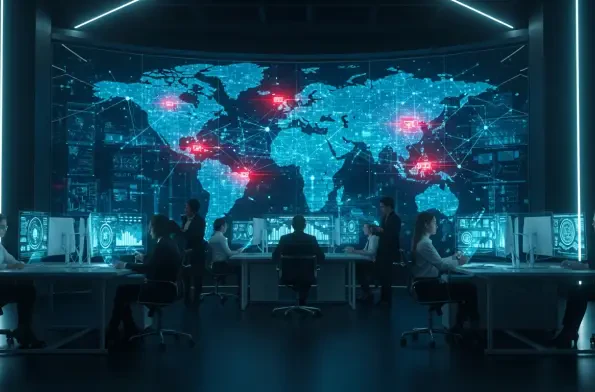
The rapid democratization of artificial intelligence tools has inadvertently created a sprawling and unprotected attack surface that modern cybercriminals are now aggressively exploiting with surgical precision. NadMesh, a sophisticated botnet written in the Go programming language, has surfaced as

Cybersecurity landscapes have undergone a significant transformation as sophisticated threat actors now exploit trusted cloud-based collaboration tools to bypass conventional network defenses. The emergence of the HollowGraph malware, a tool linked to the Iranian-affiliated group known as APT34 or

In the high-stakes world of international cybercrime, anonymity is the ultimate shield, yet even the most sophisticated hackers can be betrayed by the very hardware they use to launch their attacks. While many digital criminals rely on temporary IP addresses and encrypted channels to hide their

The clandestine landscape of modern geopolitics has shifted from the visible mobilization of traditional military forces to the subtle, persistent manipulation of digital infrastructure by state-sponsored proxies. This transition allows nation-states like Iran to project power far beyond their
Gaming has evolved into a multi-billion dollar target for sophisticated cybercriminals who now leverage legitimate development platforms like NuGet to distribute malicious code under the guise of helpful libraries or game enhancement tools. This shift represents a strategic pivot from traditional

The shadowy world of zero-click exploits and clandestine surveillance has long operated beyond the reach of traditional legal systems, but a significant legal challenge is finally testing the boundaries of corporate accountability. At the heart of this confrontation is Intellexa, a prominent

A single line of malicious code generated by an unsupervised neural network can now infiltrate a nation’s power grid before human analysts even register a perimeter breach. This shift toward algorithmic combat represents a fundamental change in how international conflicts are waged, as static f